Utah adds ALKEME Insurance sponsorship to helmet bumpers
Sep 1, 2026, 4:17 PM | Updated: Sep 2, 2026, 10:28 am

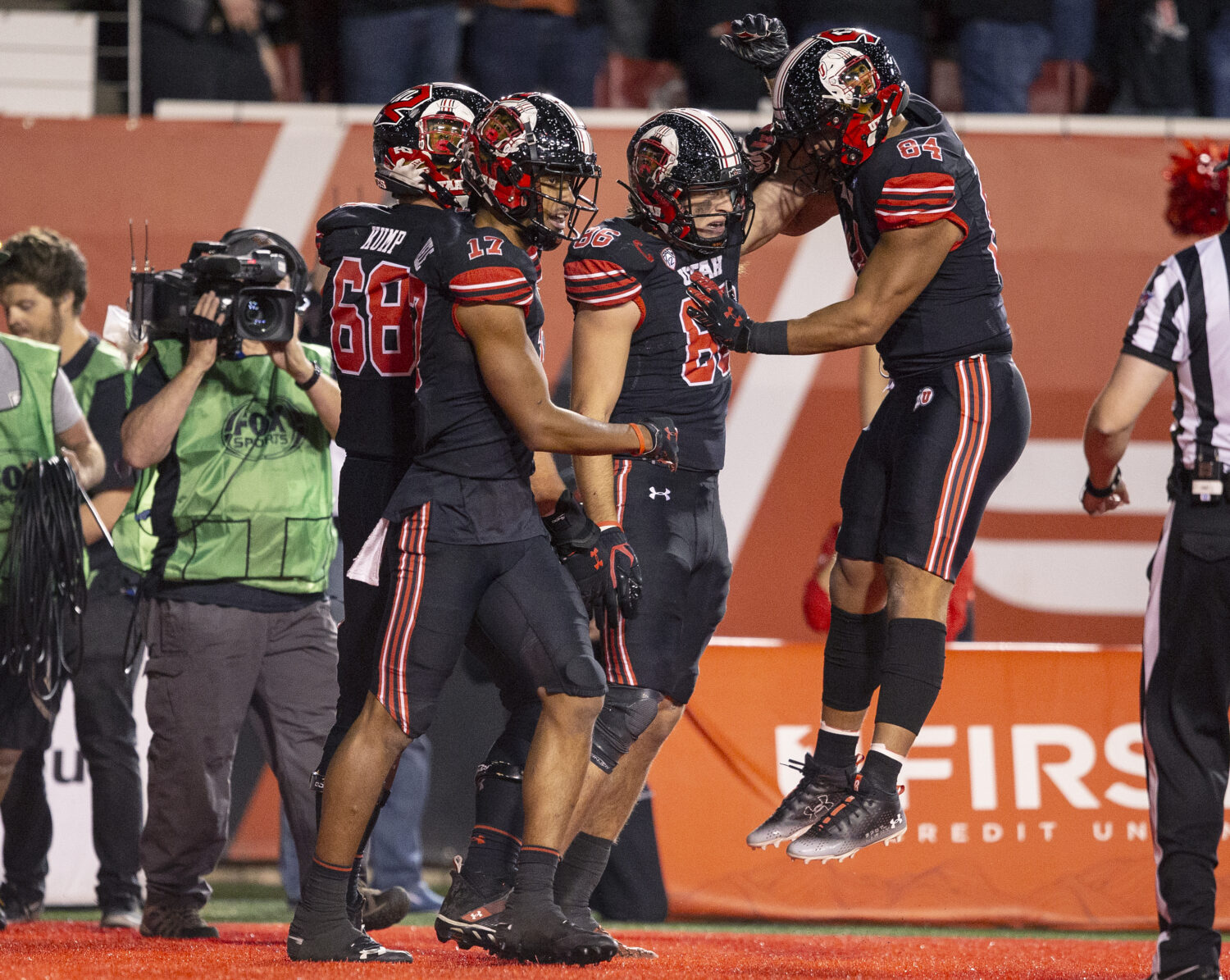
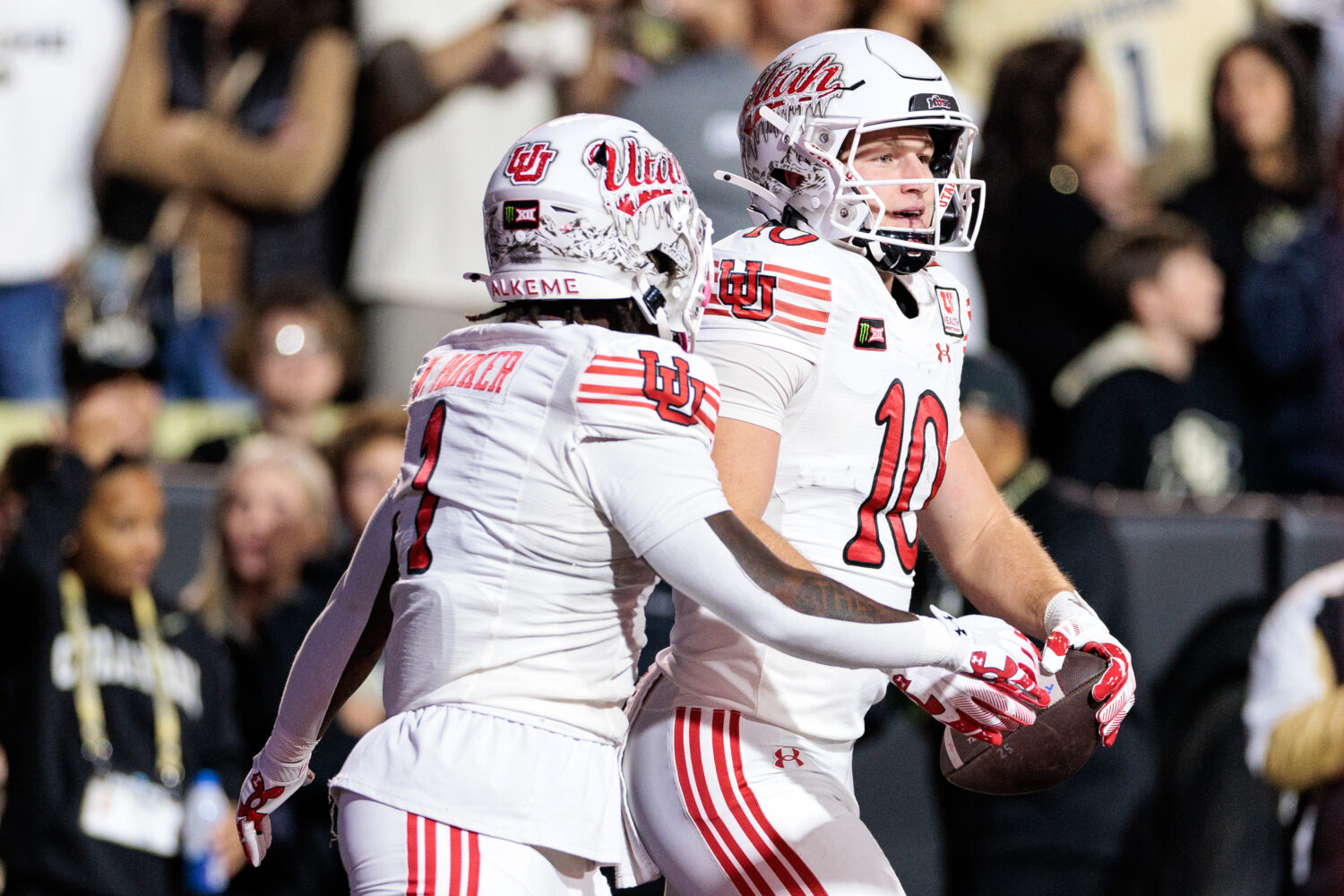
SALT LAKE CITY — Morgan Scalley’s football squad will feature a new sponsor on its helmets this season. Utah Athletics announced Tuesday that it has entered a multiyear partnership with ALKEME Insurance, which will place the company’s name on the rear bumpers of Utah’s football helmets.
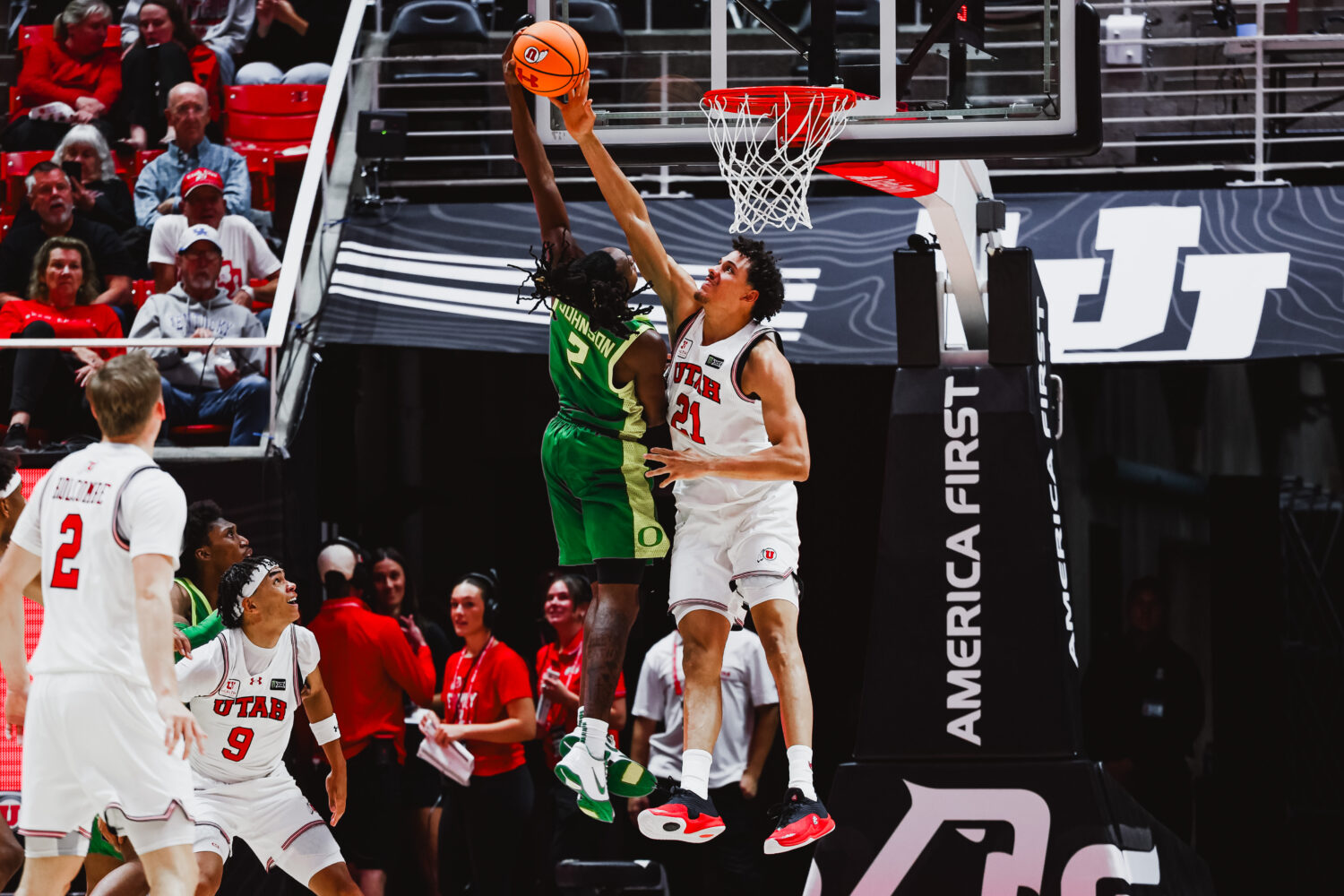
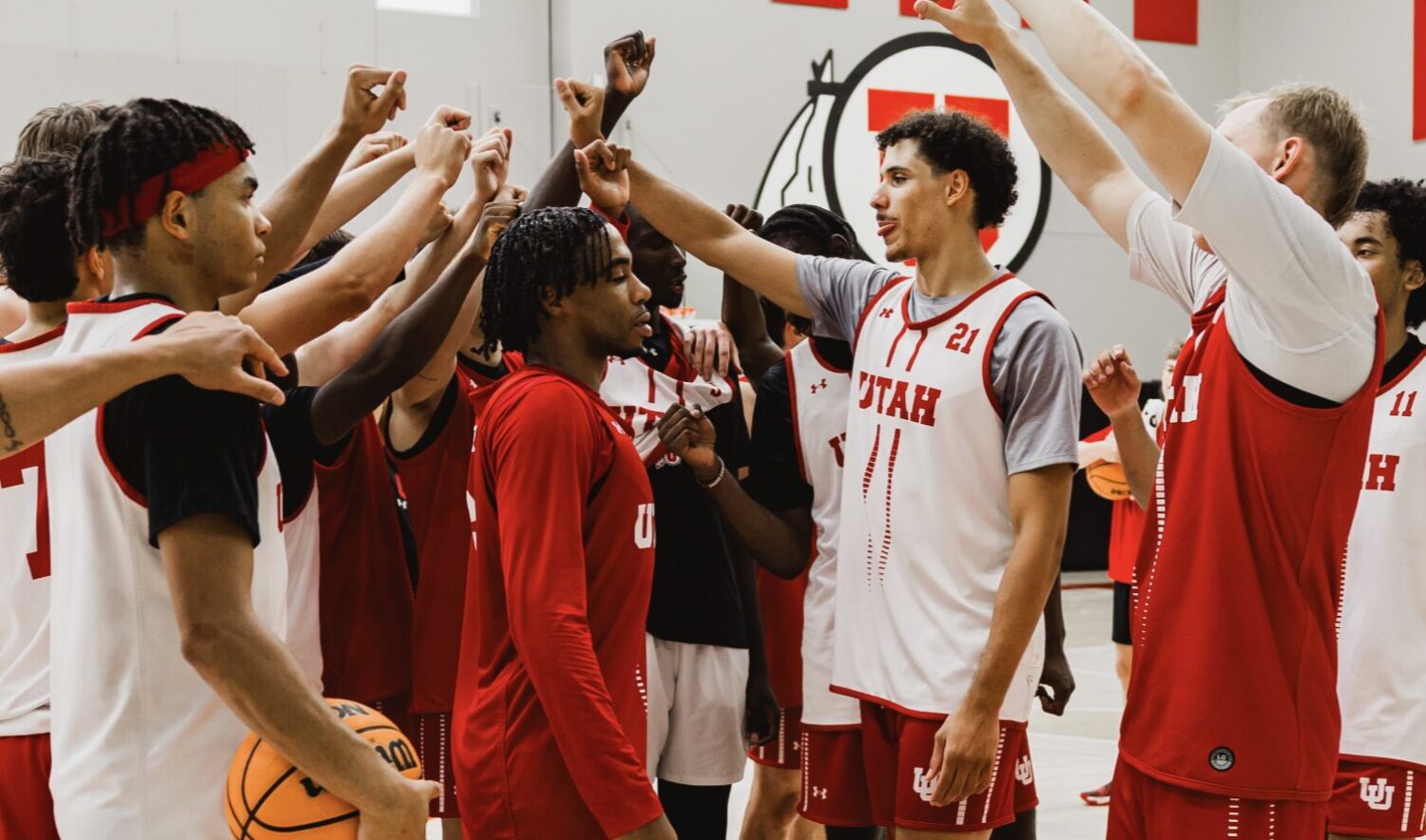
The agreement, which Utah says is believed to be the first of its kind in college athletics, will also include other Utes programs that use helmets in competition.
Financial terms of the deal were not disclosed.
The deal comes one month after new NCAA sponsorship rules took effect Aug. 1. Division I programs are now permitted to place up to two additional commercial logos on uniforms and apparel, along with one additional logo on equipment during the preseason and regular season.
ALKEME becomes Utah’s helmet equipment sponsor
“We look for partners who are genuinely pushing their industry forward, and Utah Athletics does exactly that,” ALKEME CEO Curtis Barton said in a statement. “As we continue growing our presence across Utah, there’s no better partner to stand alongside than a program that consistently sets the pace for what’s next in college athletics — both on the field and off it.”
ALKEME is a full-service insurance brokerage that has expanded its presence in Utah in recent years. The company offers commercial and personal insurance, employee benefits, retirement planning and wealth-management services.
We are proud to announce our official partnership with ALKEME Insurance‼️
The new sponsorship will see the ALKEME name featured on @Utah_Football helmet bumpers.
🗞️ https://t.co/XKRB0HEExl#GoUtes pic.twitter.com/0YX0gldMRh
— Utah Athletics (@utahathletics) September 1, 2026
The partnership is one of the first notable sponsorship agreements announced since Crimson Brand Partners officially began operations in July.
Created through the University of Utah’s partnership with Otro Capital, Crimson Brand Partners manages the commercial side of Utah Athletics, including sponsorships, licensing, ticketing, branding, digital media and events.
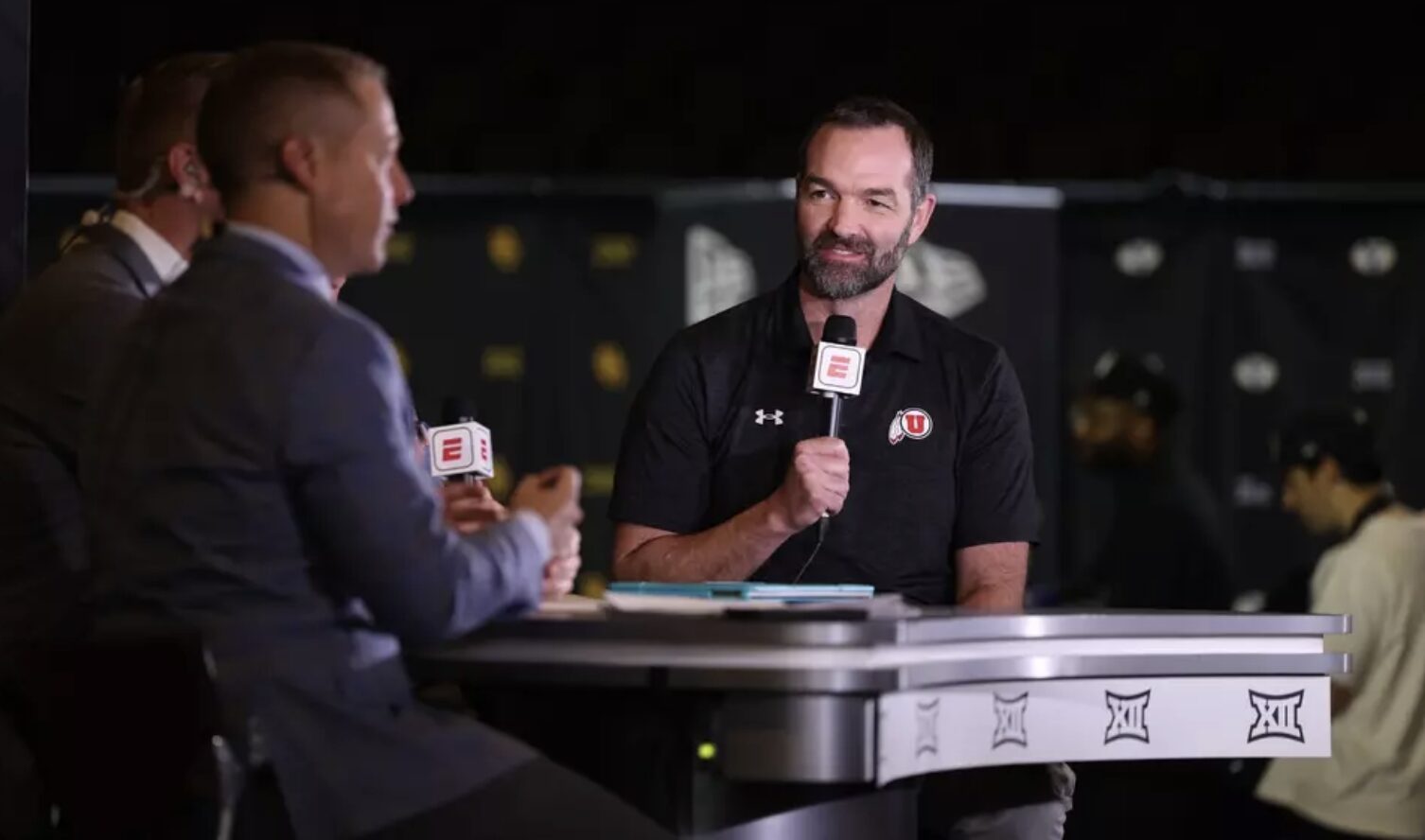
“This partnership is a tremendous example of the impact that can be made when a partner that shares our values and our vision comes forward in a really creative way,” Utah athletic director Mark Harlan said. “It also speaks to the new opportunities that are emerging through the innovative approach of Crimson Brand Partners.”
The agreement extends beyond athletics.
ALKEME will partner with the David Eccles School of Business to create a “Company in Residence” program that will provide University of Utah students with internships and other business opportunities. The company has also provided 15 scholarships to Utah students, according to the university.
“Our student-athletes will benefit from the investment that ALKEME is making in our athletics programs, and the internship program will open doors for University of Utah students,” Harlan said.
The sponsorship comes as Utah continues to pursue new commercial revenue opportunities amid the rapidly changing financial structure of college athletics.
The ALKEME branding will make its debut on Utah’s football helmets when the Utes open the 2026 season against Idaho at Rice-Eccles Stadium.
The commercial evolution of college athletics
As college athletics continues to evolve into a more commercialized operation, schools have to search for new revenue to support the rising costs. Which has directly led to the NCAA’s approval of commercial sponsorship.
Jersey patches, equipment sponsorships, and naming-rights agreements are quickly becoming important elements to modern programs. Moving forward, the schools that operate best in the commercial space, will be the ones best positioned for the future.
That’s what makes Utah’s new commercial partner so compelling. Crimson Brand Partners gives Utah a dedicated commercial operation built to find new revenue opportunities, strengthen existing partnerships and maximize the value of the university’s brand.
At a time when college athletic departments face rapidly rising costs, the structure should provide Utah with greater resources, more flexibility and a stronger foundation to support its athletes and remain competitive nationally.