Five takeaways from Utah’s uninspiring escape at Colorado
Oct 18, 2026, 2:28 AM | Updated: 2:45 am
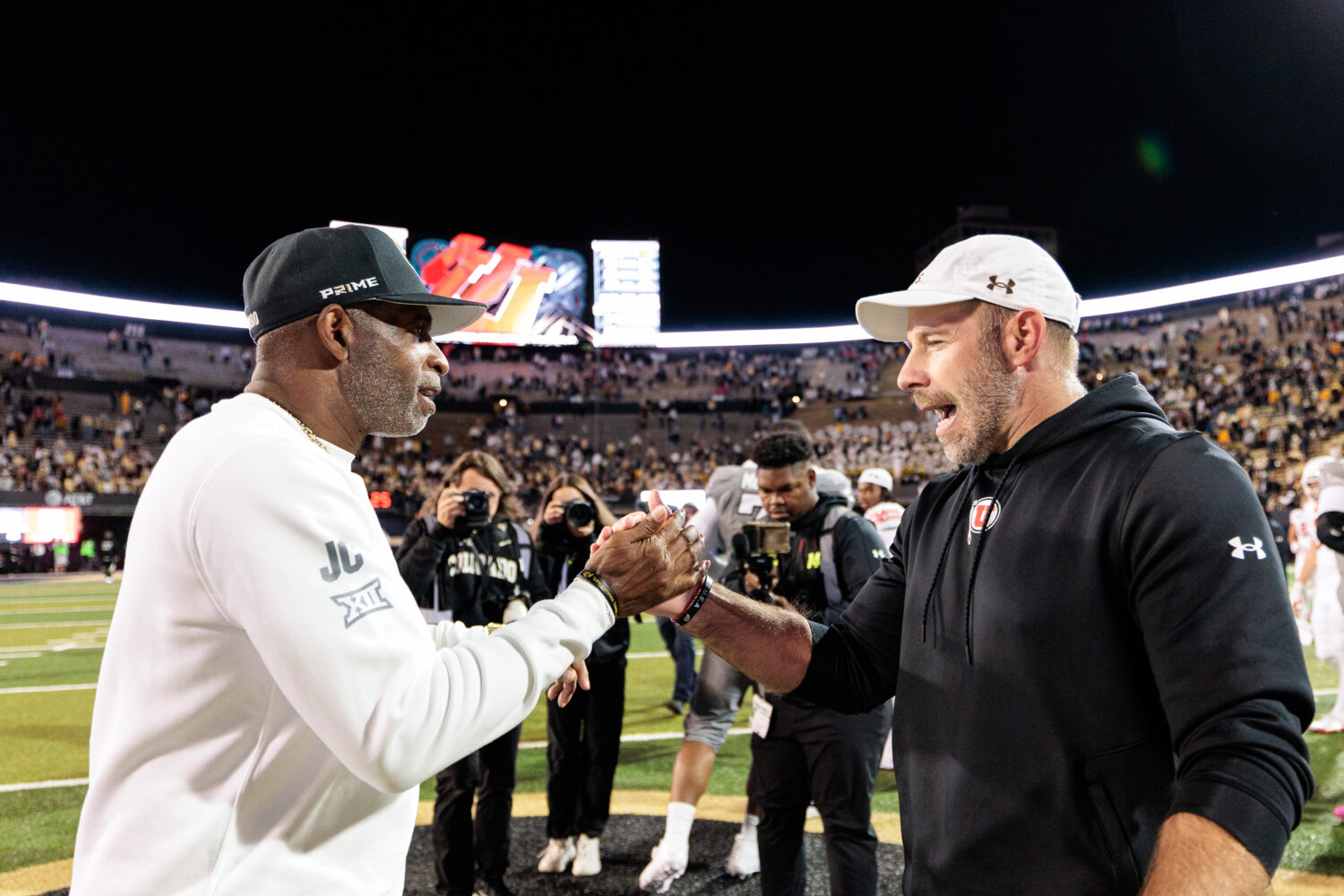
BOULDER, COLORADO - OCTOBER 17: Head coach Deion "Coach Prime" Sanders of the Colorado Buffaloes and Head coach Morgan Scalley of the Utah Utes shake hands after the game at Folsom Field on October 17, 2026 in Boulder, Colorado. (Photo by Andrew Wevers/Getty Images)
(Photo by Andrew Wevers/Getty Images)

BOULDER, Colo. — Utah left Boulder unbeaten, but with considerably more to address than a three-point victory might suggest.
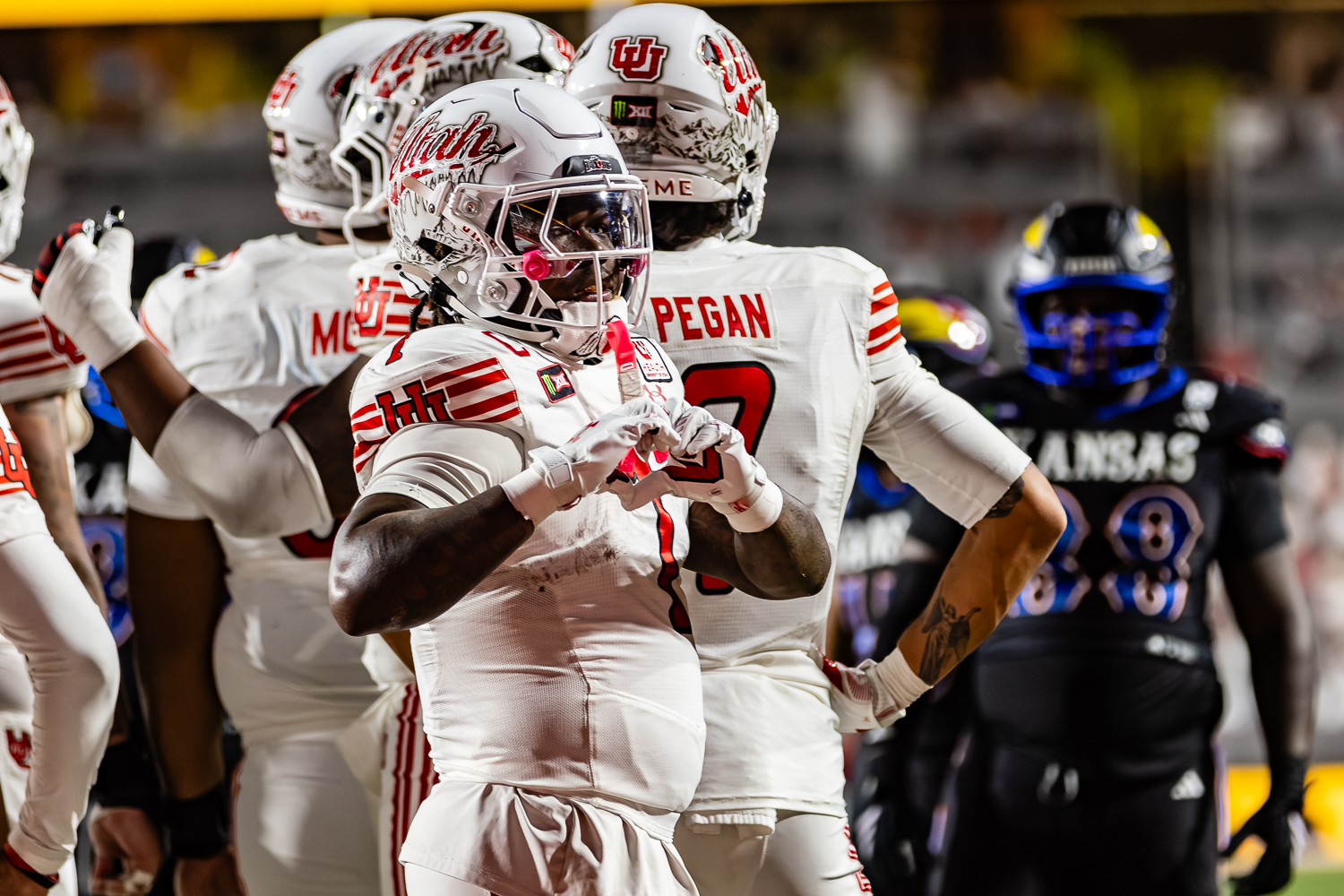
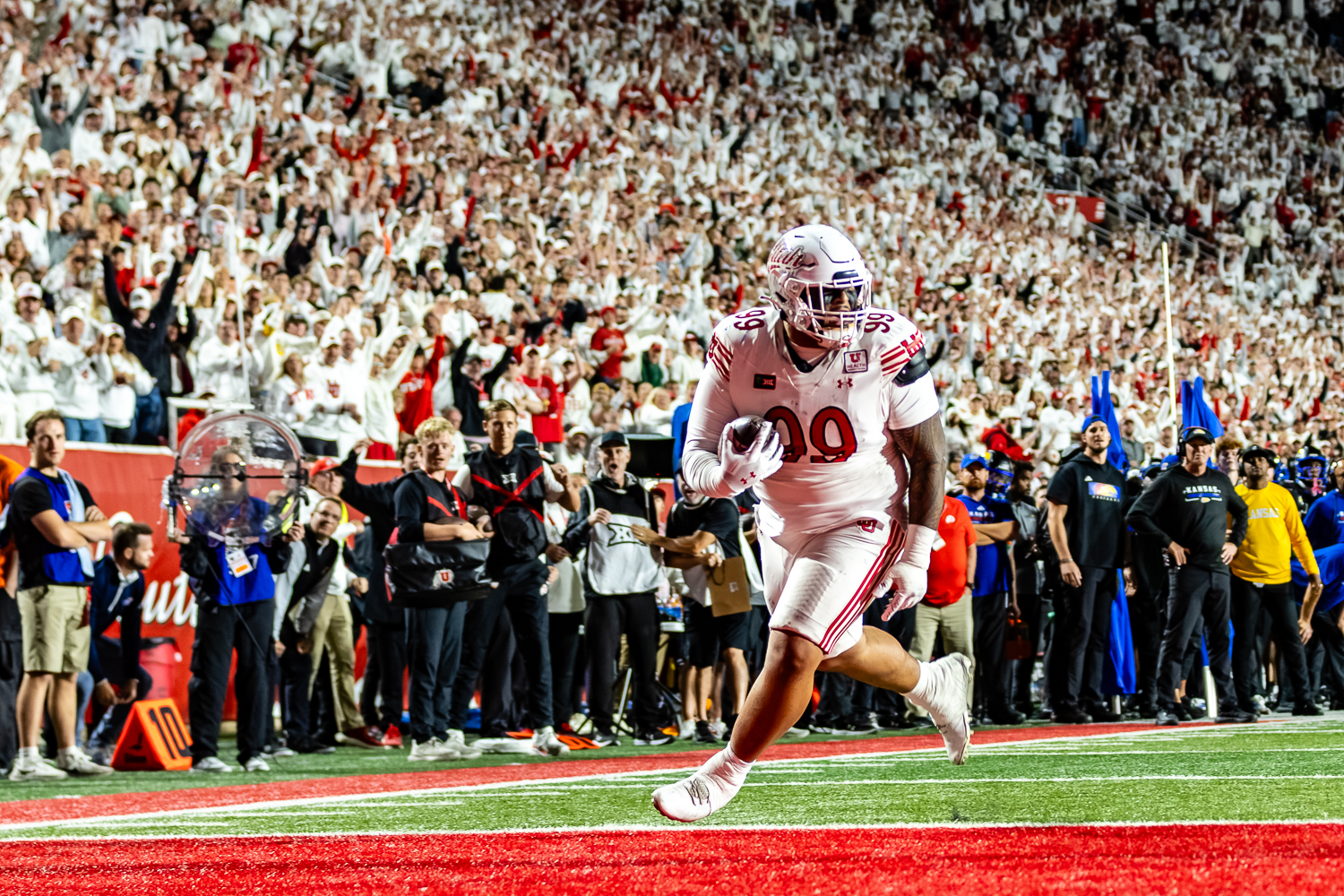
The Utes survived Colorado 27–24 on Saturday, recovering from a 17-13 deficit in the third quarter. Devon Dampier connected with Braden Pegan for both of Utah’s second-half touchdowns, and a timely interception from James Chenault Jr. helped provide the separation necessary to reach 6–0.
For much of the night, however, Utah looked uninspired and disjointed. The offensive line struggled to establish consistent movement, the defense lost its grip after halftime, and opportunities to take control repeatedly went unfinished.
There was value in the response. There was also plenty in the performance that requires an honest evaluation.
Here are five takeaways from Utah’s escape.
UTAH WINS‼️
Utah: 27
Colorado: 24#GoUtes | #RSNB | @UofUHealth https://t.co/iJeERLIaox
— Utah Football (@Utah_Football) October 18, 2026
Utah made ordinary football unnecessarily difficult
The concern extended beyond a few unsuccessful plays. Utah struggled to establish the physicality, decisiveness and urgency needed to put Colorado away.
The Utes ran 80 offensive plays and possessed the ball for 37 minutes, yet scored touchdowns on only three of their six red-zone trips.
They only sustained 6-of-11 drives into the red zone, and then only finished half of those red zone trips with touchdowns.
One sequence captured the frustration. Hunter Andrews’ 21-yard run gave Utah first-and-goal at Colorado’s one-yard line. A direct snap to Wayshawn Parker lost two yards, and the next play was a Dampier interception on a shovel pass, which seemed risky given the disruption Colorado was creating in the backfield.
A promising possession became an empty one in two snaps.
There were similar issues on the defensive side of the ball. Elijah Elliss appeared to deliver a sack, which would’ve put Colorado at 2nd & 16. However, an offsides penalty by lining up in the neutral zone not only erased the sack but gave Colorado 5 yards, an 11-yard difference. On the very next play, Colorado gained 26 yards.
The closing sequence deserves similar scrutiny. After recovering Colorado’s onside kick with 1:20 remaining, Utah gained two yards, lost four yards on the next play, and on 3rd & 12 threw an incomplete pass with 1:06 left. The possession consumed only 24 seconds before a punt gave the Buffs another opportunity.
Those are reasonable places to start in the examination of the playcalling and the execution it required. The coaching staff’s evaluation should include whether its choices put players in the best position to succeed, particularly when Utah had opportunities to finish the game.
Colorado created the disruption Utah couldn’t
The difference in defensive disruption was substantial. Colorado finished with nine tackles for loss, including three sacks, and nine pass breakups. Utah produced one tackle for loss, no sacks and two pass breakups.
The Buffs affected the offense at the line of scrimmage and at the catch point. Utah rarely created that sort of resistance.
Removing sacks from the rushing totals, the Utes gained 146 yards on 36 carries. But 17 of those attempts gained two yards or fewer, and eight resulted in no gain or a loss. Nearly half of Utah’s running plays produced minimal progress.
Parker worked his way to 98 yards on 23 carries, providing useful gains and conversions without breaking a run longer than 14 yards. The offense never consistently created the space needed to turn his production into something more threatening.
Utah’s lone tackle for loss showed the value of the disruption it otherwise lacked. Ethan Day stopped Isaac Wilson for a five-yard loss after Colorado reached the Utah 13. The Buffs eventually settled for a field goal.
The defense’s second-half problems went beyond two explosive passes
Colorado gained 70 yards before halftime and 324 afterward.
Its average jumped from 4.12 yards per play in the first half to 8.53 in the second. A 68-yard touchdown reception by JaQuail Smith and a late 48-yard completion to DeAndre Moore Jr. contributed heavily, but the defensive issues extended beyond those two plays.
Removing those two explosives, the other 36 second-half snaps still averaged 5.78 yards.
The Buffs also rushed for 117 yards on 17 attempts after halftime. Their second touchdown possession required only five plays, with gains of 15, eight, five, 15 and 18 yards, plus a Utah facemask penalty. Colorado never faced third down.
That was a defense losing control. It was unraveling in real-time.
Smith’s long touchdown included 66 yards after the catch, underscoring that the problems weren’t limited to the pass rush. Misalignment, broken coverages, poor pursuit and tackling belong in the evaluation, too.
Pegan and Whittemore supplied the answers
There were bright spots tonight: Braden Pegan and Creed Whittemore. Together, they accounted for 117 of Utah’s 120 second-half passing yards.
Whittemore’s 43-yard reception converted third-and-10 on the possession that restored Utah’s lead. His 25-yard catch overcame second-and-19 on the Utes’ next touchdown drive.
Pegan finished both possessions, scoring from 16 and six yards. He totaled eight catches for 86 yards and two touchdowns, while Whittemore added three receptions for 88 yards.
Their contributions were particularly important because Utah repeatedly put itself in difficult situations. Twelve of its 17 third-down attempts required at least six yards. The Utes converted five of those 12.
Dampier deserves credit for delivering the throws that helped rescue those possessions, even within an uneven night that included two interceptions.
Utah had players capable of solving difficult problems. Against Colorado, it asked them to solve too many.
Utah showed the resolve to win ugly
Utah gave itself plenty to overcome Saturday. It also found enough resolve to leave Boulder unbeaten.
After a 13–0 halftime lead became a 17–13 deficit, the Utes answered with a 75-yard touchdown drive. Dampier found Whittemore for 43 yards on third-and-10, then connected with Pegan for the go-ahead score on third-and-six.
Chenault’s fourth-quarter interception created another opportunity. A sack pushed Utah into second-and-19 before Whittemore’s 25-yard reception and Pegan’s second touchdown extended the lead.
Through the frustration, the Utes kept making timely plays. Curtis converted both field goals, the defense produced two takeaways, and the offense responded after Colorado seized control.
That resolve deserves credit. The performance demands correction, but Utah gets to make those corrections at 6–0 because it absorbed the momentum swing, kept competing and found a way through.
Utah has a big opportunity next weekend with Houston coming to town, but there is a lot to work on between now and then.