How a more deliberate offseason reshaped Utah basketball’s roster construction
Oct 21, 2026, 10:00 AM | Updated: 11:03 am
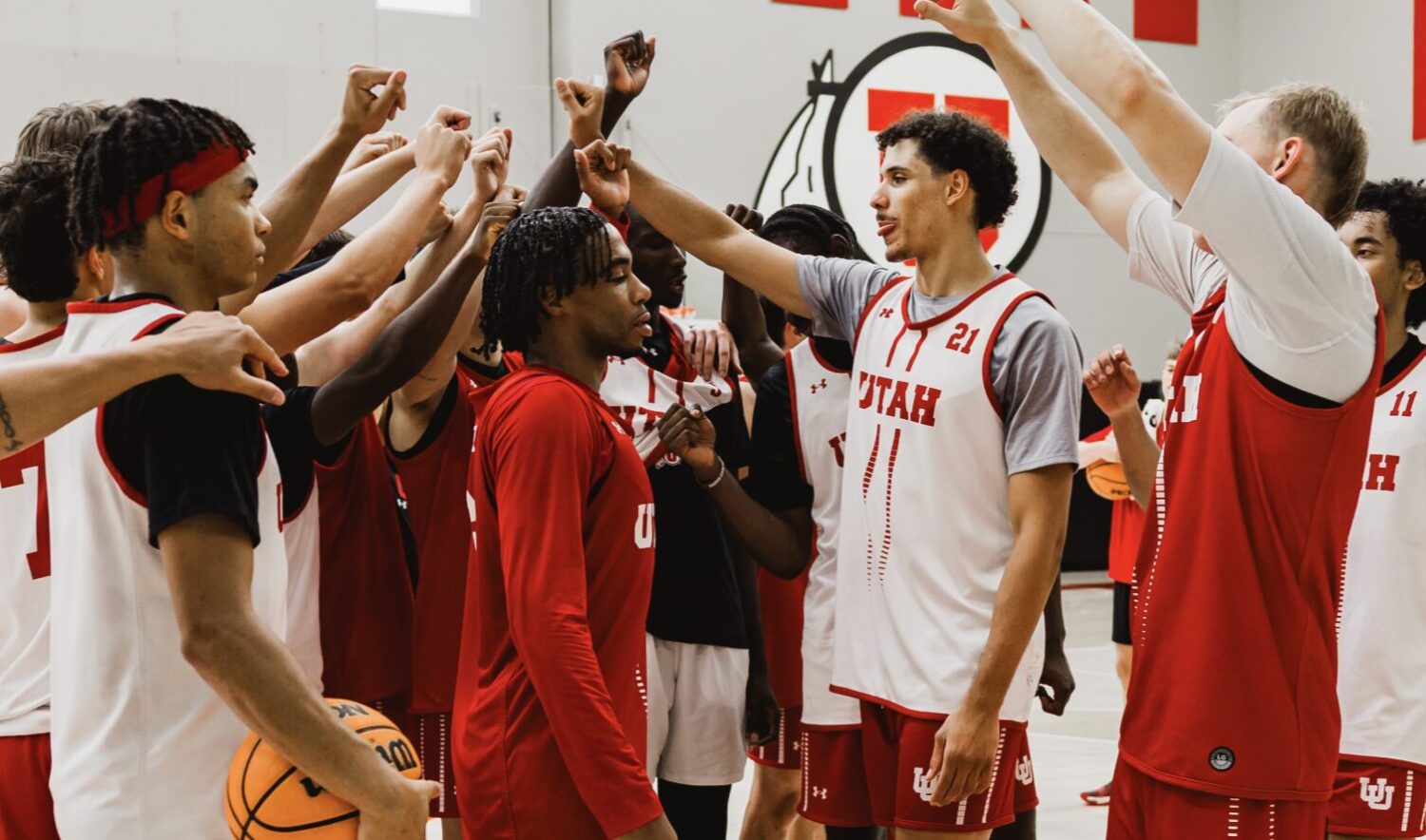
Utah basketball at practice this offseason. Photo courtesy by Utah Athletics

SALT LAKE CITY — Alex Jensen spent much of his first offseason at Utah trying to catch up constructing a roster. His second gave him a chance to put his Utah basketball program’s recruiting approach into practice.
A full year to evaluate players, prepare for the transfer portal and understand the demands of the Big 12 allowed Jensen and his staff to approach roster construction with greater clarity. General manager Wes Wilcox helped direct that work, while the staff drew on relationships across college basketball, the NBA and Europe.
The difference, as Jensen describes it, was the preparation behind the decisions.
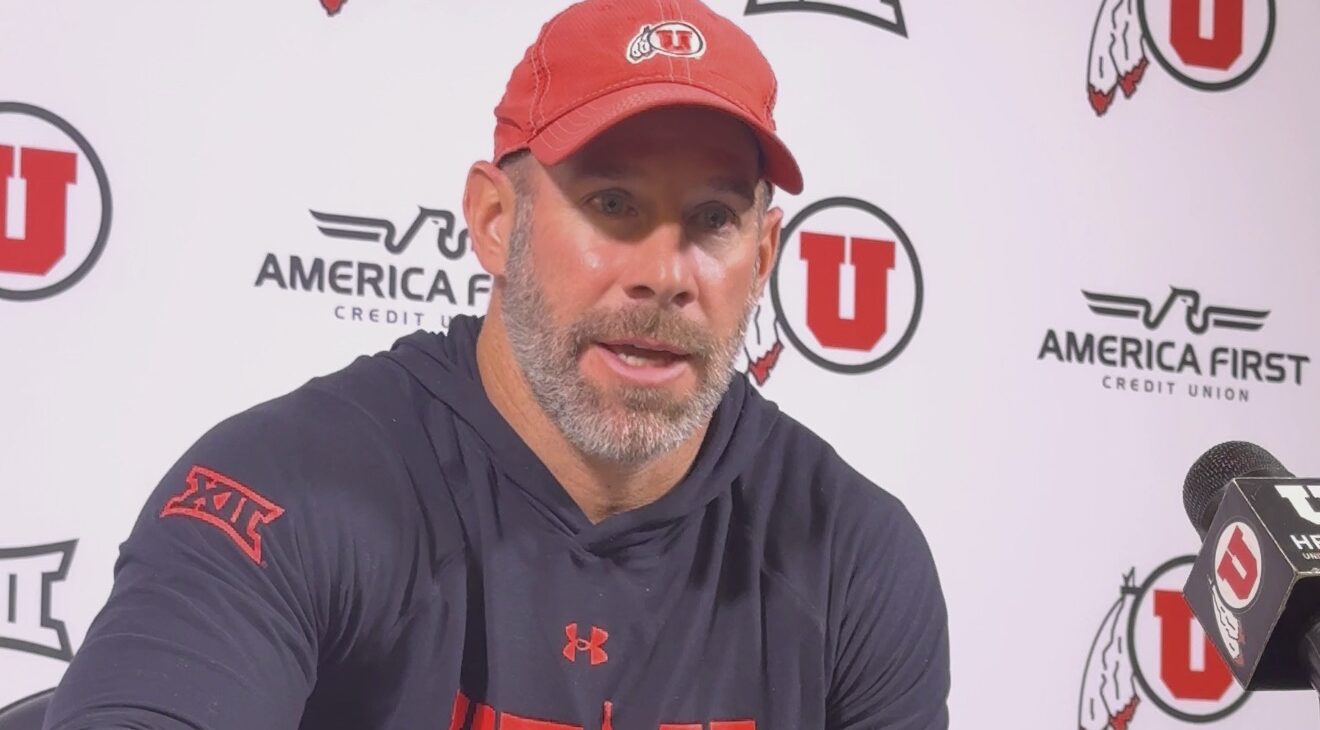
“I felt we were playing a lot of catch-up that first year, and I think we’re in a much better place now,” Jensen said at Big 12 media days.
Whether that produces a better team will be determined on the court. But Utah entered this season with a more deliberate process for finding players, evaluating their fit and establishing what would be expected of them.
A full offseason changed Utah’s approach
Jensen’s first spring on the job left him and his starting well behind everyone else in the race. The limited time available to establish a staff, assess the roster and prepare for the portal meant learning a rapidly changing college basketball landscape while making decisions within it.
The second offseason offered a different starting point.
“There was, I think, myself and my staff were much better prepared,” Jensen said, reflecting on having only a partial offseason the previous year.
Experiencing the Big 12 helped sharpen that preparation. Jensen had watched the league and understood its reputation. Coaching through it provided a more specific understanding of the physical demands, different playing styles and depth of coaching Utah would encounter.
That experience gave the staff a clearer basis for evaluating what the next roster needed.
“Not that I didn’t know where I wanted to go last year, but it’s clearer now,” Jensen said previously.
That clarity came from a better understanding of the players Utah could realistically pursue and how they fit his vision for the program. The staff had more time to evaluate players, assess the market and prepare financially for the offseason. It provided Utah with a clearer understanding of its targets and the resources needed to pursue them.
Having someone dedicated to directing the process was part of his plan from the beginning.
Wes Wilcox organized the process
“The first thing I knew coming back that I wanted was a general manager,” Jensen said.
The financial component of college athletics reinforced that belief. Roster construction had become a responsibility that extended well beyond identifying talent, and Jensen wanted experienced help managing it.
Wilcox initially represented a potential connection to that help.
“I was hoping to get a good recommendation from him,” Jensen said. “I didn’t think I would get him, somebody with his experience.”
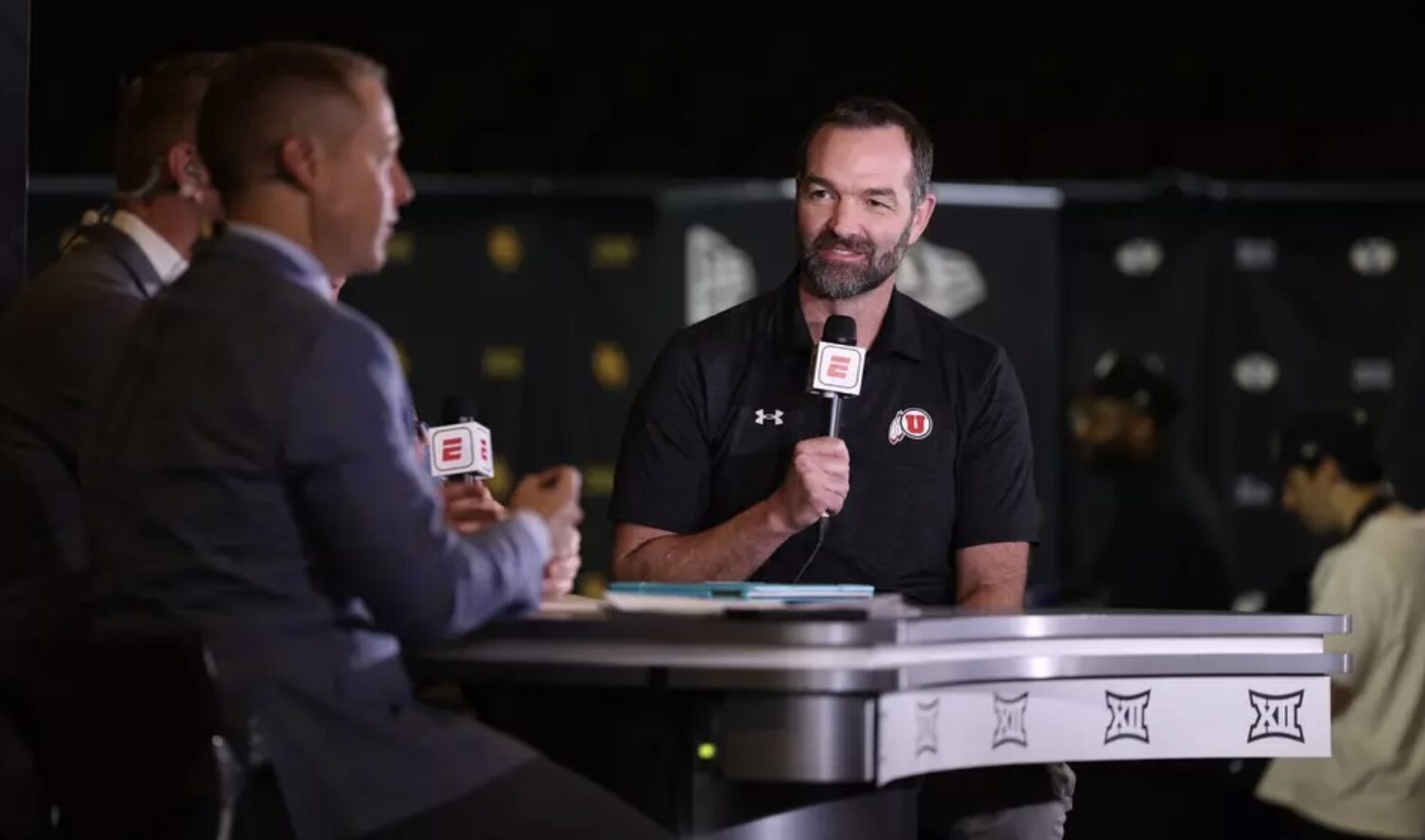
At media days, Jensen called Wilcox a “phenomenal” general manager and credited the staff’s preparation for putting Utah in a better position when the portal arrived.
That structure matters because the work cannot begin only when players become available. A staff needs to understand its own roster, identify potential needs and develop evaluations while continuing to coach.
With a year in the building together, Utah had more opportunity to do that work in advance.
That’s a wrap from @Big12Conference Media Day 🎙️
#GoUtes https://t.co/jaYkWweXJG
— Utah Basketball (@UtahMBB) October 21, 2026
A broader search with clearer expectations
Jensen’s recruiting approach includes high school prospects, college transfers and international players, and he wants Utah to remain active in each pool.
“We want to recruit high school kids, especially locally,” Jensen said. “I don’t know exactly how we want to do it, but we’ll have a combination of all those.”
The staff’s varied backgrounds help provide access. Jensen pointed to relationships with coaches and agents, along with connections developed through years in professional, college and prep basketball.
At media days, he explained that Utah’s international makeup grew from those relationships rather than a predetermined decision to assemble a roster from overseas.
Local recruiting remains part of the foundation.
“I think you start in your own backyard and you work your way out,” Jensen said.
Across those different recruiting pools, his evaluation includes how much players enjoy basketball and whether their competitiveness extends beyond individual production.
“I think love it means there’s that competitive part we talked about earlier, like winning, whether you score or you don’t score,” Jensen said.
He also wants recruits to understand the demands before they arrive.
“When you recruit guys, you manage the expectations,” he said. “You tell them how it’s going to be.”
Jackson Holcombe’s description of his recruitment from Utah Valley offers an example of that approach. Jensen acknowledged the shortcomings of his first season while explaining his plans for Holcombe and the program.
“Coach Jensen did a great job of taking ownership for the season that they had and also saying that that wasn’t going to be the case, that we were going to continue to grow and build,” Holcombe said at media days.
For Alec Anigbata, the staff’s international experience helped establish confidence in the fit.
“The experience in international basketball really helps me develop here as a player and feel comfortable,” Anigbata said.
Those relationships helped bring players to Utah. Jensen hopes the expectations established through them will also give players reasons to stay.
Related Utah basketball content
- First impressions: Utah’s guards provide encouraging start in exhibition win over UNLV KSL Sports
- Utah basketball’s Trey Campbell granted TRO, eligible to compete sports.ksl.com
- Jackson Holcombe bringing the leadership Utah basketball needs KSL Sports
- Utah basketball lands commitment of three-star guard Pierce Thompson KSL Sports
Building beyond one season
The larger objective is to make each offseason less of a restart. Jensen explained that retention begins with the players Utah recruits and the timeline those players envision for themselves.
“I think if you recruit the right way on the front end, and this is my goal, that the retention becomes a lot easier,” Jensen said.
He wants the staff and its recruits considering the next two or three years alongside the immediate opportunity.
“If you get, you know, you have players that think the same way instead of, you know, just the next six months, I think it makes retention a lot easier,” he said.
Jensen now has the opportunity to spend more time determining which combinations work, establishing roles and developing the players Utah deliberately pursued. He has described the group’s capacity to improve throughout the season as a source of optimism.
The first offseason was shaped by the urgency of getting started. The second gave Utah time to make more considered decisions about who should be part of the rebuild and why.
The next measure of progress is whether those decisions produce a team capable of growing together—and a roster Utah can continue building upon.