No. 10 Utah football vs Houston Cougars: Game preview, score prediction
Oct 23, 2026, 10:34 AM | Updated: 10:58 am

SALT LAKE CITY — No. 10 Utah football gets a national spotlight and a smaller margin for error when No. 14 Houston visits Rice-Eccles Stadium on Saturday.
Morgan Scalley’s Utes (6-0, 3-0 Big 12) host Willie Fritz’s Cougars (6-1, 3-1) at 8:15 p.m. MT on ESPN. College GameDay will spend the morning on campus, and Saturday is expected to mark the stadium’s 100th consecutive sellout.
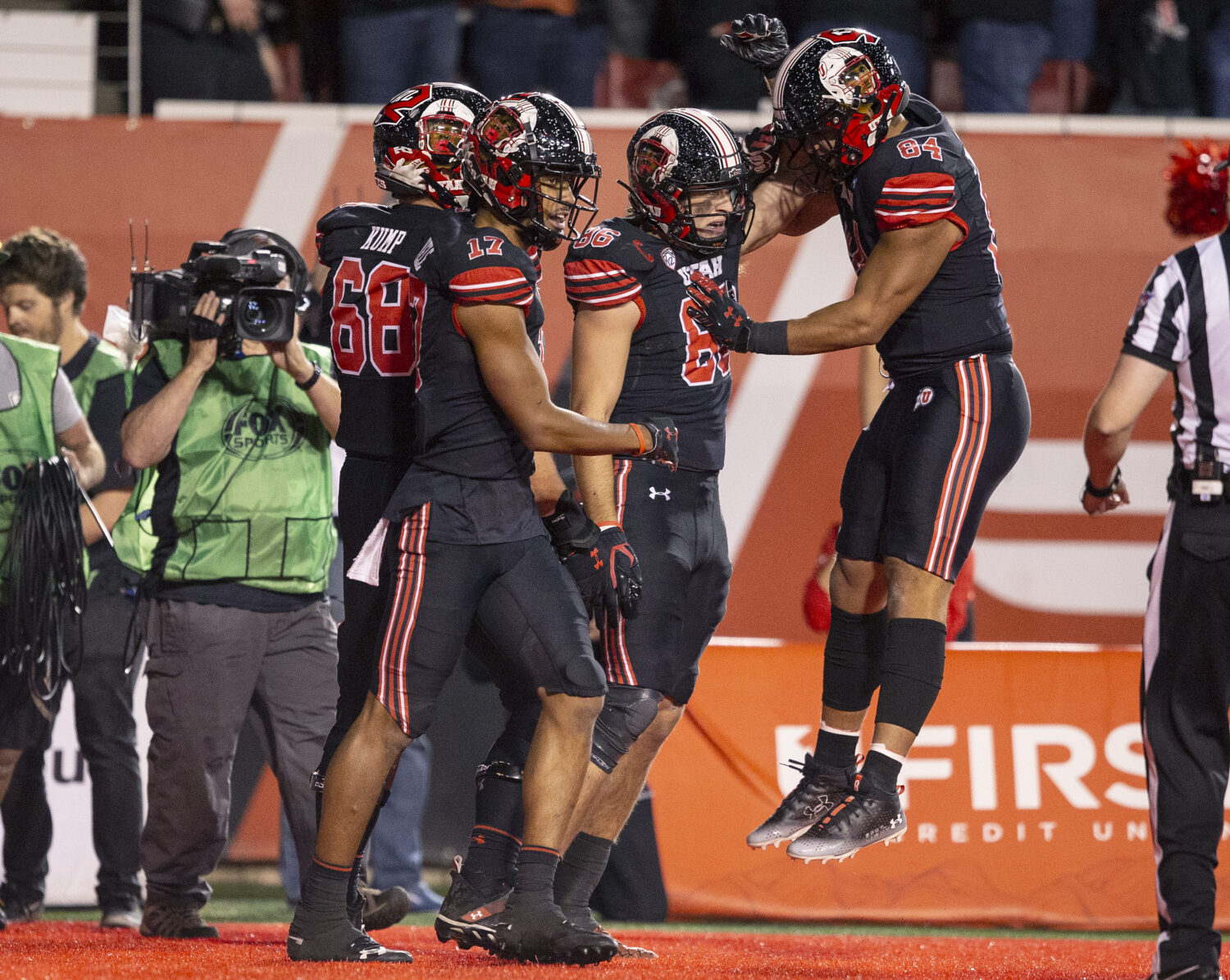
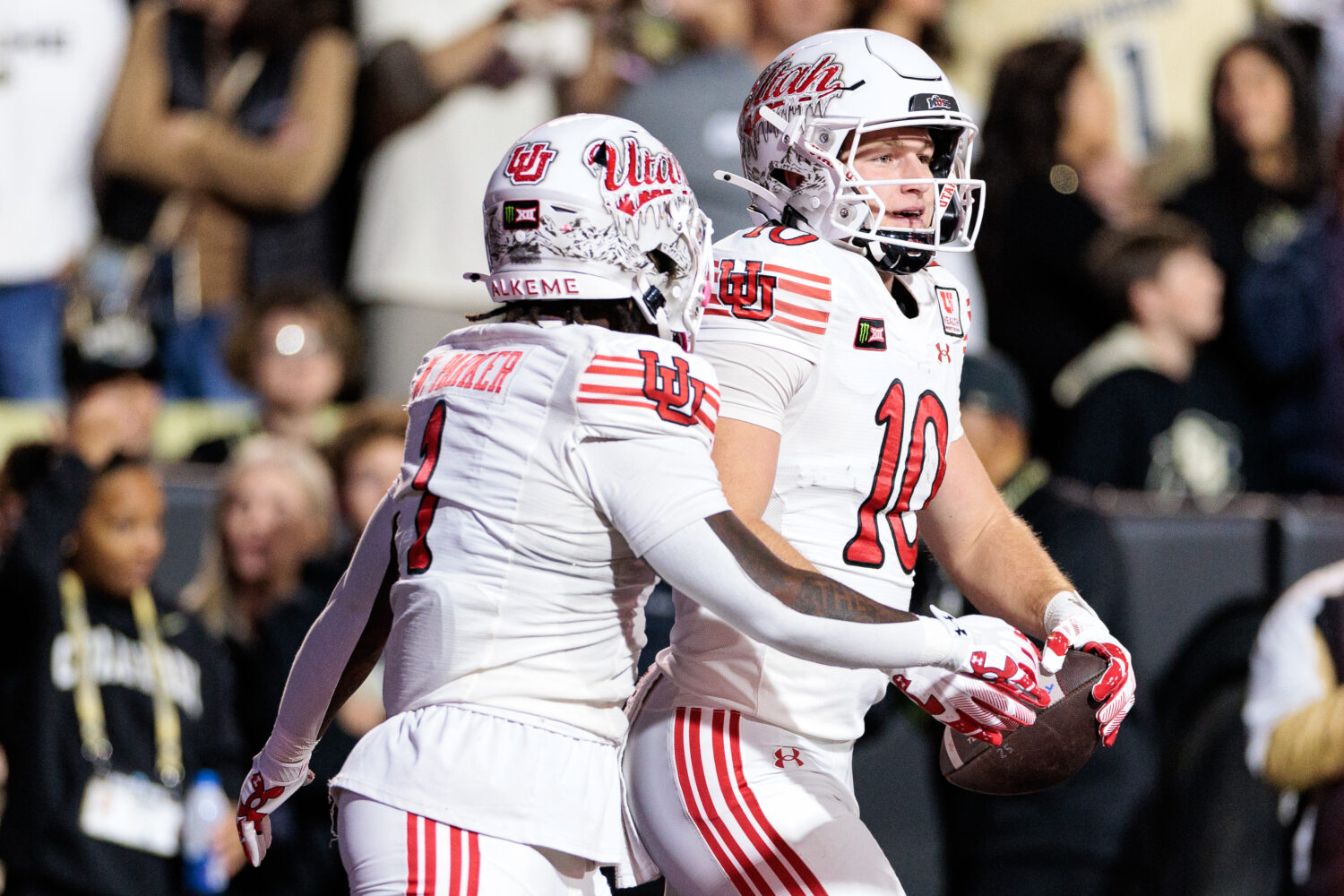
Add Dark Mode uniforms and guest picker Dalton Kincaid, and Utah has assembled a pretty compelling invitation to a football game.
Houston has plenty of reasons to believe it can spoil the evening. The Cougars have a productive, confident quarterback, a difficult run defense and an offense that makes getting off the field an assignment unto itself.
Utah has the weapons to win. The challenge is putting them to work consistently while making Houston earn its opportunities.
𝒃𝒂𝒄𝒌 𝒊𝒏 ⚫️🪶
#GoUtes | #RSNB | @UofUHealth https://t.co/5OwThjAlMY
— Utah Football (@Utah_Football) October 22, 2026
Devon Dampier needs to play point guard
Houston’s run defense deserves respect. The Cougars allow 82.6 rushing yards per game, sixth fewest nationally, which makes Devon Dampier’s ability to distribute the football particularly important.
Utah needs him to operate like a good point guard: understand where the defense is committing, get his playmakers favorable opportunities and recognize when to create something himself.
That distribution needs to reach every level of the field.
According to Hudl IQ, Houston has played zone coverage on 78.1% of charted passing plays. Utah should make those defenders move, communicate and decide which threats to prioritize. Wayshawn Parker releasing into the flat can pull attention toward the sideline. Noah Bennee working through the middle can challenge the linebackers. Braden Pegan pushing vertically can make the safeties respect the space behind them.
Key matchup: Wayshawn Parker vs. Houston’s linebackers
Parker’s overall impact could be especially valuable against Houston’s stout run defense. Utilizing him in different ways to stress the Cougar linebackers, forcing them to cover ground and tackle him in space could open opportunities for others as well. Parker has delivered in key moments this season, they will need him in one of the key games of the year. Oklahoma State’s Caleb Hawkins produced 125 receiving yards and a touchdown against the Cougars last week.
The value comes from how those threats work together. Stretch Houston horizontally, and throwing windows can open between defenders. Make the secondary honor the deep ball, and there should be more room to operate underneath.
Dampier’s job is to recognize which opportunity the defense presents and deliver the ball on time. Take the easy completion when it is available, attack downfield when the matchup warrants it and use his legs when Houston leaves room to run.
Kevin McGiven can help with formations, motion and route combinations that give Dampier clear answers. Then the quarterback has to keep the offense moving without forcing a particular player or play to provide the spark.
Utah has enough scoring options. Dampier needs to make Houston account for all of them, across the width and depth of the field.
View this post on Instagram
Utah needs to grind out a few stops
Houston leads the country with a 61.4% third-down conversion rate. Against this offense, Utah should expect to work for every opportunity to get off the field.
Last week illustrated the challenge. Houston converted seven of 13 third downs against Oklahoma State. Three of its five touchdowns came on third down, and another came on fourth down.
Utah brings impressive credentials of its own. The Utes rank third nationally in pass-efficiency defense, allowing a 101.35 rating, and lead the country in completion percentage allowed at 49.3%. Even with those numbers, the secondary needs to elevate its game against Houston, particularly when a contested completion or a coverage breakdown could be the difference between ending a possession and surrendering points.
Key matchup: Utah’s linebackers and safeties vs. Patrick Overmyer
Utah allows a nation-low 49.3% completion rate will be put to the test. At linebacker and safety, that will be key in this one. Houston’s tight end leads FBS players at his position with seven receiving touchdowns. Utah must communicate through formation changes, account for his releases and contest his catches, particularly near the goal line. Making Weigman look elsewhere in critical situations could help the Utes grind out the stops they need.
The Cougars’ offense requires close attention to detail, and even then, they have the playmakers to overcome sound defense. Utah will need the patience and discipline to keep competing through those possessions.
That means sound tackling on short completions, staying tight in coverage and contesting throws without drawing penalties. It also means finding ways to disrupt Weigman without giving him lanes to escape.
Communication becomes especially important as those drives stretch out. When Houston changes a formation or moves a receiver, Utah’s linebackers and safeties must get everyone situated and execute the next assignment.
There will be possessions when Houston moves the ball despite Utah defending reasonably well. The Utes have to stay composed enough to make the next third down difficult, force a field goal or finally get the punt team onto the field.
A handful of those hard-earned stops could decide this game. Utah needs to make Houston finish drives under pressure and capitalize when an opportunity to end one arrives.
Disrupt Conner Weigman without giving him an exit
Weigman enters Saturday with 20 touchdown passes and two interceptions. He threw for 343 yards and five touchdowns against Oklahoma State, then helped close the game with timely completions and his legs.
Utah needs to disrupt him, but the rush has to work together.
Against the Cowboys, Weigman turned a third-and-long into a 44-yard scramble up the middle. That is the danger when a defense gets receivers covered but leaves the quarterback room to escape.
The Utes’ edge rushers must avoid running themselves beyond the play, while interior pressure needs to close the pocket without creating an open runway. Linebackers have to balance their coverage responsibilities with an awareness of when Weigman can take off.
Houston also has a tight end who demands attention. Patrick Overmyer leads FBS tight ends with seven receiving touchdowns, making his releases and matchups particularly important near the goal line.
Utah should make Weigman process changing looks and contested throwing windows. Sending extra rushers only helps if the coverage and pursuit behind them remain sound.
Utah must finish offensive possessions
Utah football enters Saturday averaging 40.2 points and 486.5 yards per game. The offense has demonstrated how difficult it can be to defend when its options work together.
The Colorado game also left players discussing missed assignments, communication problems and opportunities that should have produced more.
“We’re dangerous when we put a complete game together,” Parker said this week.
Against Houston, improvement should show up in specific ways: recognizing opportunities, protecting Dampier, taking available completions and finishing drives near the goal line.
Dampier’s decisions will help connect everything. If Houston commits additional defenders to Parker, Utah needs to capitalize through the air. When the Cougars maintain coverage depth, the Utes should be willing to take underneath gains and keep moving.
The variety gives Utah options, and the Utes should be able to move the ball against the Cougars’ defense. They have to turn those opportunities into touchdowns when they reach the red zone. Missed scoring opportunities made the Colorado game more difficult, and Utah can ill afford another night of leaving points available.
Score prediction: Utah 34, Houston 27
Houston has the offensive balance and quarterback play to go toe-to-toe with any team in the country. Utah should expect the Cougars to answer scoring drives and recover from difficult situations.
The pick comes down to the Utes creating opportunities for Parker, Dampier making sound decisions and the defense grinding out a handful of important third-down stops.
Parker’s ability to influence the game as both a runner and receiver makes him the impact-player pick. Utah finds enough offense and a timely defensive stop to give its Dark Mode crowd the finish it came to see.