Morgan Scalley: Utah won’t win many games playing the way it did at Colorado
Oct 18, 2026, 4:32 AM | Updated: 4:36 am
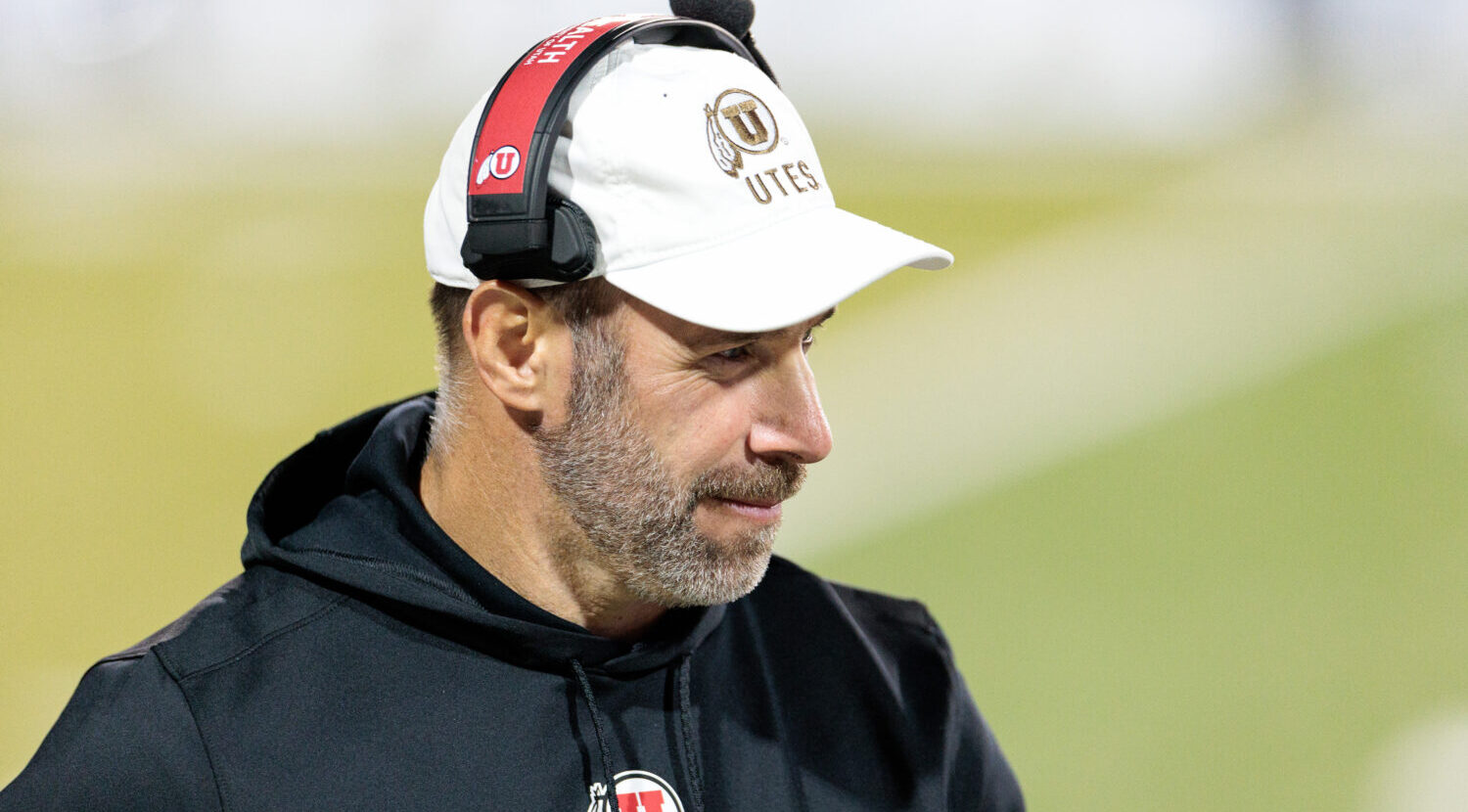
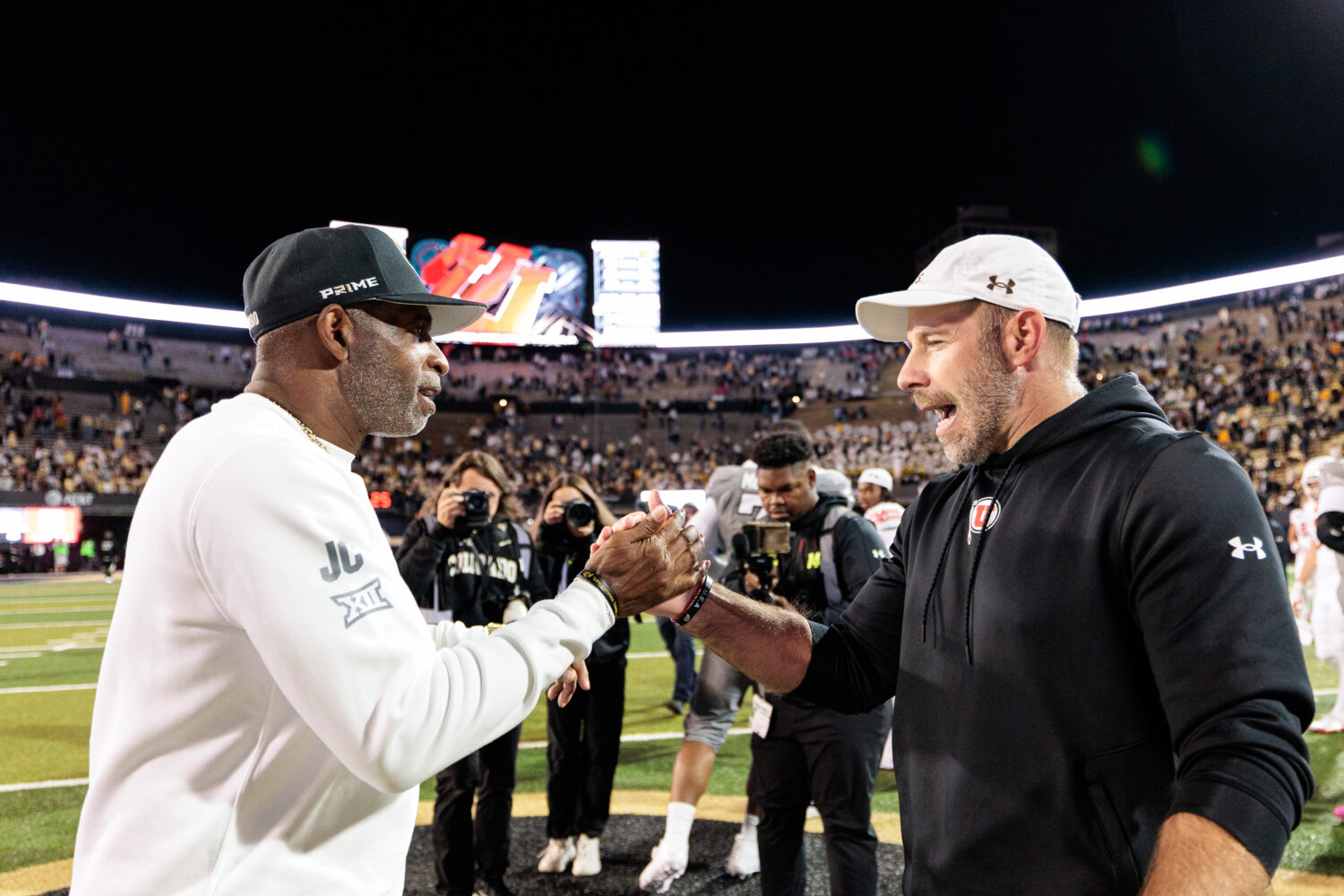
BOULDER, COLORADO - OCTOBER 17: Head coach Morgan Scalley of the Utah Utes walks the field during the first half against the Colorado Buffaloes at Folsom Field on October 17, 2026 in Boulder, Colorado. (Photo by Andrew Wevers/Getty Images)
(Photo by Andrew Wevers/Getty Images)

BOULDER, Colo. — The Utes left Folsom Field with a win, and Morgan Scalley credited his team’s ability to survive Saturday night. His assessment of the performance that made survival necessary was a bit less forgiving.
After the Utes escaped Colorado with a 27–24 victory to improve to 6–0, their head coach delivered a fairly blunt evaluation of a game filled with missed opportunities, defensive breakdowns and timely plays that kept an unbeaten season intact.
“Looking at this game, I think you look at really all metrics that matter, and I don’t know that we should have won this game,” Scalley said. “Outside of the score.”
“You won’t win many games doing what we did.”
Morgan Scalley’s assessment of Utah’s 27–24 escape at Colorado: execution issues, missed opportunities and a team that kept fighting.
Four clips on what went wrong—and how the Utes found a way to reach 6–0. ⬇️ https://t.co/ONiY6yi7ub
— Steve Bartle (@BartleKSLsports) October 18, 2026
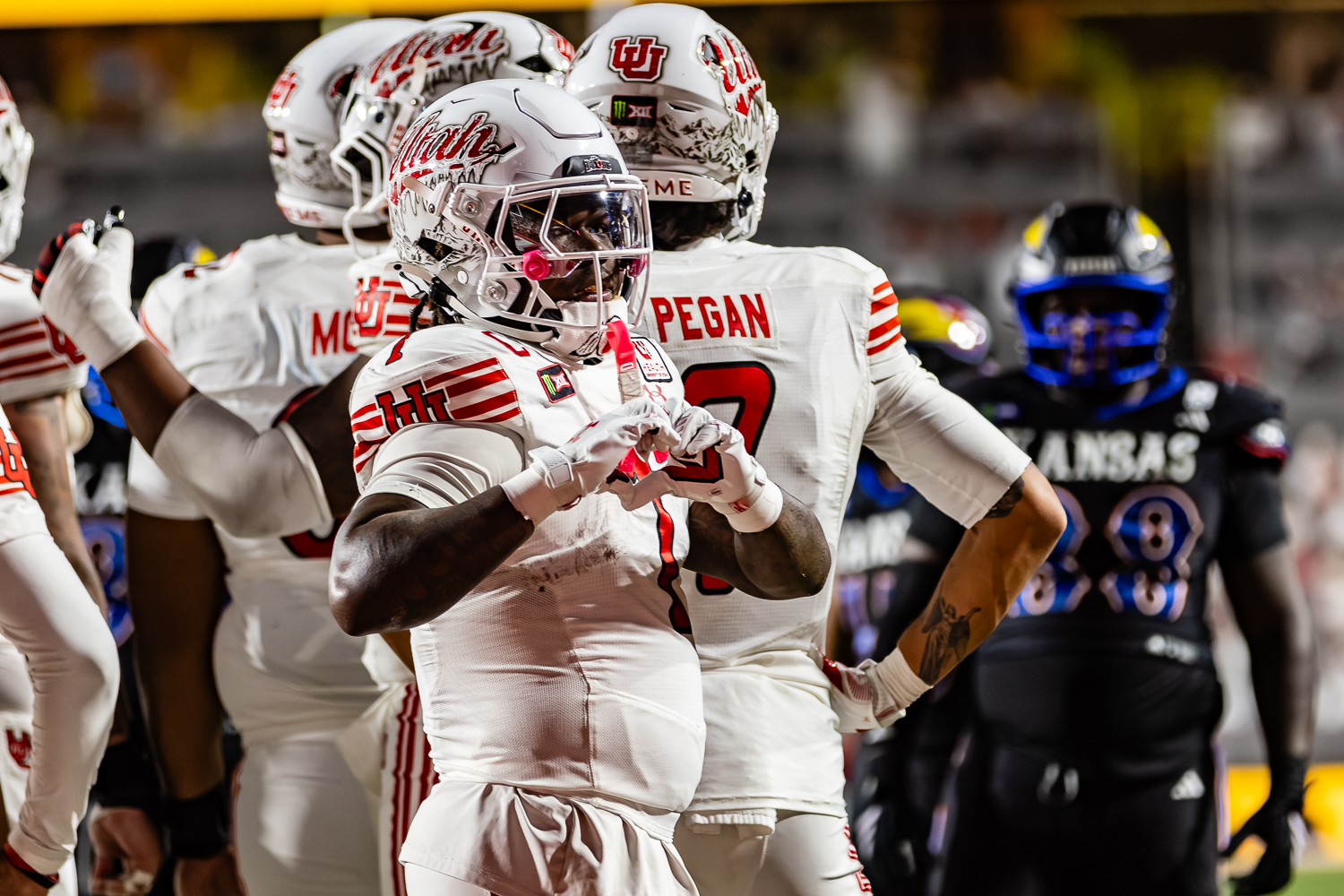
Utah surrendered a 13–0 halftime lead, fell behind 17–13 and needed two second-half touchdown connections between Devon Dampier and Braden Pegan to recover. James Chenault Jr.’s fourth-quarter interception and Creed Whittemore’s difficult catches helped provide the difference.
Scalley appreciated those responses. He also made clear that Utah cannot count on repeatedly overcoming the problems it created in Boulder.
“You won’t win many games doing what we did,” he said, pointing to turnovers, red-zone shortcomings, passing inefficiency and explosive plays allowed.
Execution problems put Utah in difficult positions
Utah finished with 409 yards and possessed the ball for 37 minutes, but scored touchdowns on only three of six red-zone trips. Dampier threw two interceptions, including one after the Utes had reached Colorado’s one-yard line.
Scalley saw stretches of offensive rhythm. The problem was completing the work.
“I think you saw a rhythm, but then ultimately we didn’t finish,” he said. “It’s finishing in the red zone with touchdowns.”
Colorado’s defensive front contributed to those difficulties. The Buffs recorded nine tackles for loss and three sacks, repeatedly disrupting Utah’s attempts to establish consistent production.
Scalley said he expected a difficult matchup against an active front that brought pressure throughout the night. He reserved a more detailed evaluation of the offensive line for film review.
Asked whether playcalling contributed to the second-half struggles, Scalley defended offensive coordinator Kevin McGiven while identifying execution problems that required correction.
“Yeah, I wouldn’t say I would question the playcalling there in the second half. Yeah, there’s some execution stuff that needed to happen, whether we didn’t send guys in motion when we needed to. There are a couple of things there, a couple of missed IDs in terms of what Devon was looking for. But ultimately, it falls back on us, and we’ve got to be able to coach him better.”
Scalley also explained the reasoning behind their willingness to attack downfield. Colorado committed defenders to stopping the run, creating opportunities for the receivers.
“If we feel that the box is stacked … you have to be able to go to your wide receivers,” he said.
The Utes needed to capitalize more consistently through the air and run more efficiently, Scalley acknowledged.
Defensive communication broke down
Utah held Colorado to 70 first-half yards before allowing 324 after halftime.
The Buffs scored on their first three possessions of the third quarter, turning a two-score deficit into a four-point lead. Their second-half production included a 68-yard touchdown reception by JaQuail Smith and a late 48-yard completion to DeAndre Moore Jr.
Scalley identified breakdowns in coverage discipline and communication.
“There were too many times today where we came off coverage, and then miscommunication on combos, stuff like that,” he said. “So we have to be cleaner in the back end.”
Asked whether Colorado quarterback Isaac Wilson’s familiarity with Utah’s defense contributed to those problems, Scalley rejected that explanation.
The issues, in his assessment, involved executing the coverage against an opponent that understood Utah would play man defense. The Utes failed to maintain the necessary consistency.
Accountability extended to the final possession
Even after recovering Colorado’s onside kick with 1:20 remaining, it could not close out the game on offense.
The Utes gained two yards, lost four and threw incomplete before punting. The possession consumed only 24 seconds, giving Colorado another opportunity.
Dampier accepted responsibility for the incompletion.
“I was told to keep that ball if I didn’t think I could complete the ball, and that’s totally on me,” he said. “I take full accountability of that. I got great coaches. They very much prepared me for that moment, so I just got to make it happen.”
Related Utah football content
- Five takeaways from Utah’s uninspiring escape at Colorado
- No. 11 Utah edges past Colorado to stay undefeated
- Utah football’s historic start on offense reflects the balance behind Morgan Scalley’s first team
- Feeding the hot hand: Wayshawn Parker emerging as go-to offensive weapon for Utes
- Five takeaways from Morgan Scalley’s Colorado week press conference
- The Utah Checkdown: Previewing Colorado | How a 24-team playoff benefits Utah
Scalley placed responsibility on the coaching staff as well.
“If it’s not clean, you’ve got to basically kill it. You’ve got to go down,” he said. “But that’s on us. We’ve not coached that well enough, obviously.”
The exchange reflected the broader postgame message: Utah had won, but neither the quarterback nor the head coach treated the result as an excuse for the execution.
Utah’s response gave Scalley something to trust
For all the shortcomings, Scalley saw a team that stayed connected when the game became difficult.
Whittemore converted third-and-10 with a 43-yard reception on Utah’s go-ahead touchdown drive. Later, after Chenault’s interception and 30-yard return, Whittemore’s 25-yard catch overcame second-and-19 and set up Pegan’s second touchdown.
Scalley also highlighted Brock Fonoimoana’s onside-kick recovery and Dillon Curtis’ two successful field goals.
Those contributions reinforced something he believed about his team before Saturday.
“We’ve got a really, really good group that just doesn’t go quiet,” Scalley said. “It’s a group that says, ‘Let’s keep talking, let’s keep connecting’ and that’s huge.”
Pegan described the close call as “a little bit of a wake-up call,” emphasizing the work still required to reach Utah’s goals.
Scalley’s confidence in the team’s resolve remained intact. His expectations for its execution remained just as firm.
“It’s not always pretty, and this was definitely not pretty and not clean,” he said. “But we did enough.”