How Utah’s 2026 Class Addresses Roster Needs
Dec 4, 2025, 12:00 PM

SALT LAKE CITY— Utah’s 2026 recruiting class checked almost every box on the roster needs list, reloading key positions on both offense and defense.
Fresh off a strong 2025 campaign, the Utes strategically targeted areas depleted by graduating seniors, NFL departures, and this class reflects a positional breakdown tailored to those short- and long-term needs.
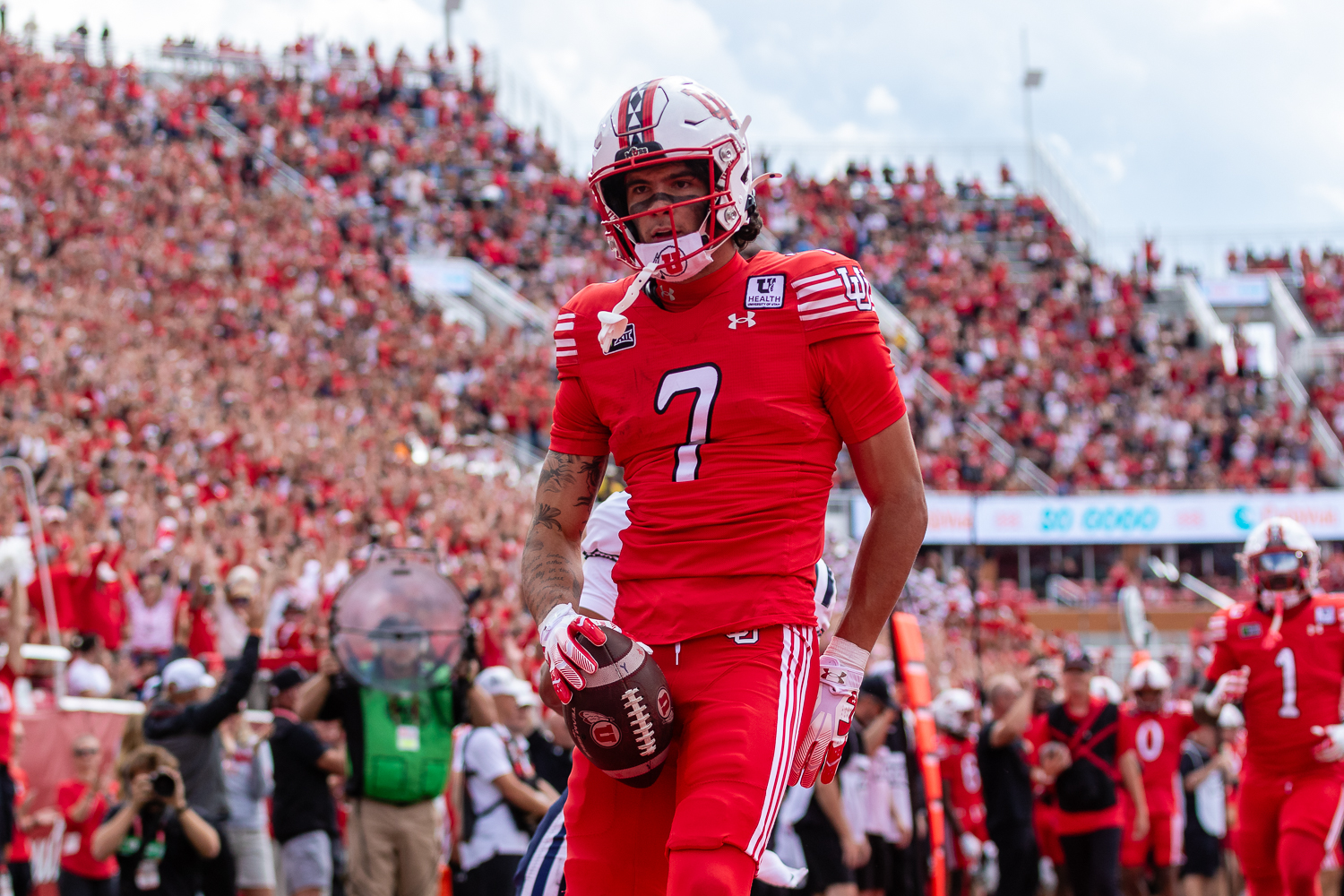
Utah grabbed signing day headlines with the news that No. 1 in-state prospect, Salesi Moa, had flipped from Tennessee to Utah. With his addition, Utah joined Texas Tech as the only two Big 12 programs to sign to industry-wide composite Top 50 prospects in the class.
Salesi Moa, four-star ATH & No. 1 Player in the state, has flipped to Utah! pic.twitter.com/VWDBPRTBgD
— Steve Bartle (@BartleKSLsports) December 4, 2025
With that in mind, let’s take a look at how Utah addressed their roster needs for 2026.
Utah reloading along the offensive line
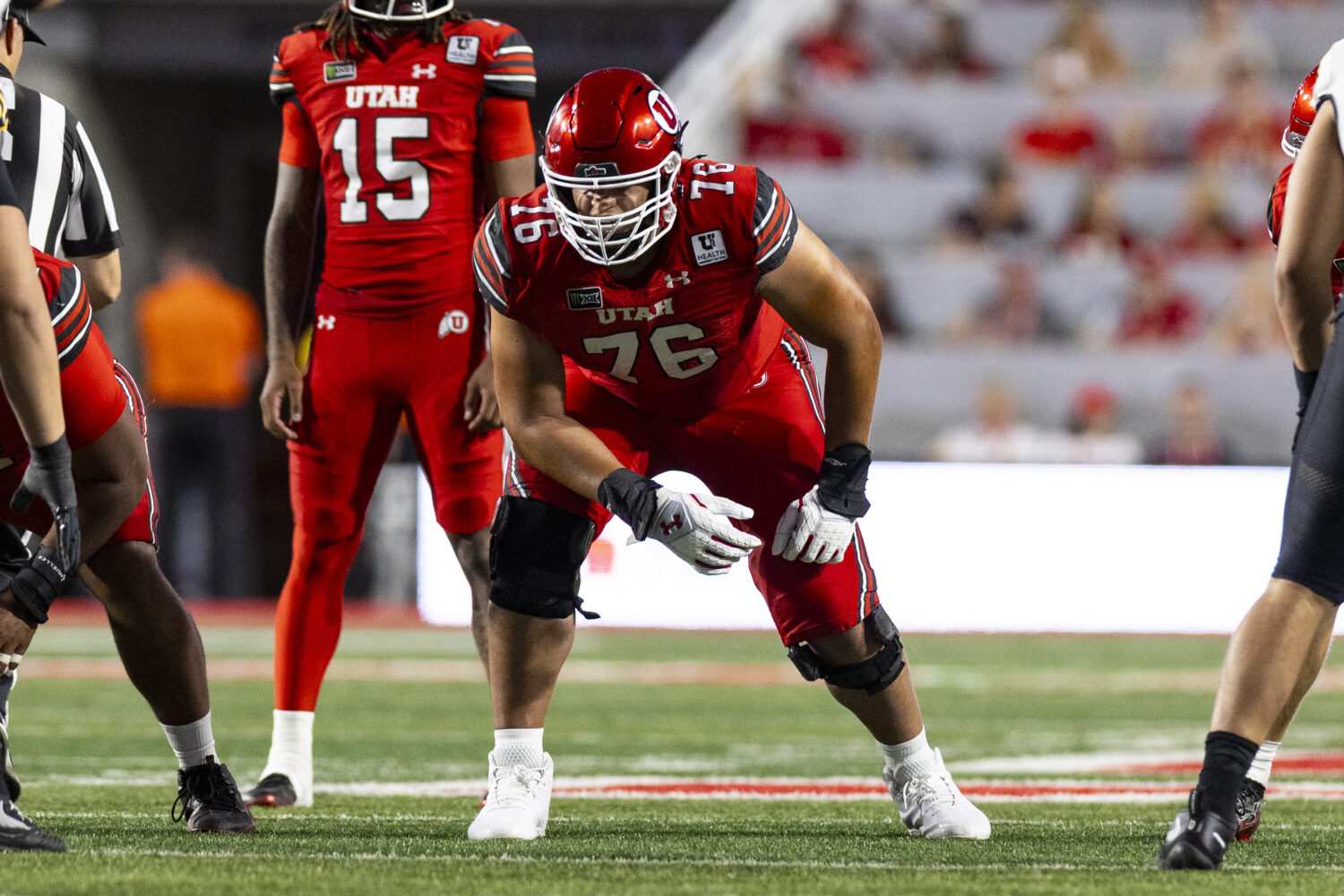
The offensive line was priority No. 1 for 2026. Utah is bracing to lose most, if not all of its 2025 starting O-line – All-Conference tackles Spencer Fano and Caleb Lomu likely turn pro, and three other starters are seniors.
The Utes responded by signing four linemen, including two tackles and two interior players. Headlining the group is composite five-star tackle Kelvin Obot, from Fruitland, Idaho. He was Utah’s top priority this cycle, and will end as the highest-rated commit in program history. He chose the Utes over Michigan, Oregon and Nebraska. Obot brings prototype left tackle size, power, and athleticism. He will enroll early and should compete for a starting job as a freshman, much like freshman All-American Spencer Fano did.
Joining him is 6-foot-7 in-state tackle Mataalii Benjamin, another four-star who flipped from Minnesota on Oct. 29. Though not as ready to make an impact right away, Benjamin just needs some time but possesses elite potential.
The Utes also inked 6-foot-4 guard Moses Sparks Jr. and 6-foot-3 center Rowdy Pearce, adding needed interior depth. Both are developmental prospects, that fit the mold in the O-Block.
Jim Harding went to work this cycle and put together the strongest O-line class Utah has ever seen. The work isn’t done though, rebuilding the line will also involve the transfer portal, but these high-upside freshmen give Utah a foundation to develop.
Utah football’s signing class by the numbers
The Utes have signed 16 players so far, with one more to be signed soon. The class finished with the No. 5 in the Big 12, and currently with the No. 28 class overall according to 247 Sports and 35th according to On3. The Utes have an 88.60 average rating in the class, good for No. 3 in the Big 12 and No. 25 in the country.
Utah added players from Utah (5), Texas (3) Idaho (2), Arizona (1), Arkansas (1), California (1), Georgia (1), New Mexico (1), Oregon (1), Washington (1). They addressed quarterback (2), running back (1), receiver (1), offensive line (4), tight end (1), defensive line (3), linebacker (2), defensive back (4).
Bolstering the defense at key positions
Defensively, Utah’s 2026 class concentrated on edge rushers and defensive backs. In this class, Utah targeted high-motor edge players and some intriguing height-weight-speed athletes in the secondary.
Utah isn’t currently set to lose a lot along the defensive line, as Aliki Vimahi is the only graduating senior. However, there could be some attrition and bringing in some youth to backfill the group was necessary.
They landed three pass rushers, one of which flipped today: 6-foot-4, 250-point defensive lineman Fameitau Siale, 6-foot-3, 230-pound edge PJ Takitaki, and 6-foot-4, 213-pound edge Preston Pitts.
In the secondary, Utah brought in 6-foot-1, 190-pound defensive back Aisa Galea’i, 6-foot3, 180 pound cornerback Dylan Waters, and 6-foot-1, 170-pound cornerback Major Hinchen. The Utes also added a big-time talent in Salesi Moa, who will spotlight in the secondary as a potential two-way player.
Pitts, a Texas product, committed early and posted eye-popping numbers, including over 230 tackles, 25.5 TFLs, 16.5 sacks in high school. Takitaki, meanwhile, is an in-state coup: the Lehi High star and nephew of NFL linebacker Sione Takitaki initially committed to BYU before flipping to Utah in late November. Siale was a signing day flip from Michigan State, and the three-star prospect is a versatile lineman that could play across the line of scrimmage.
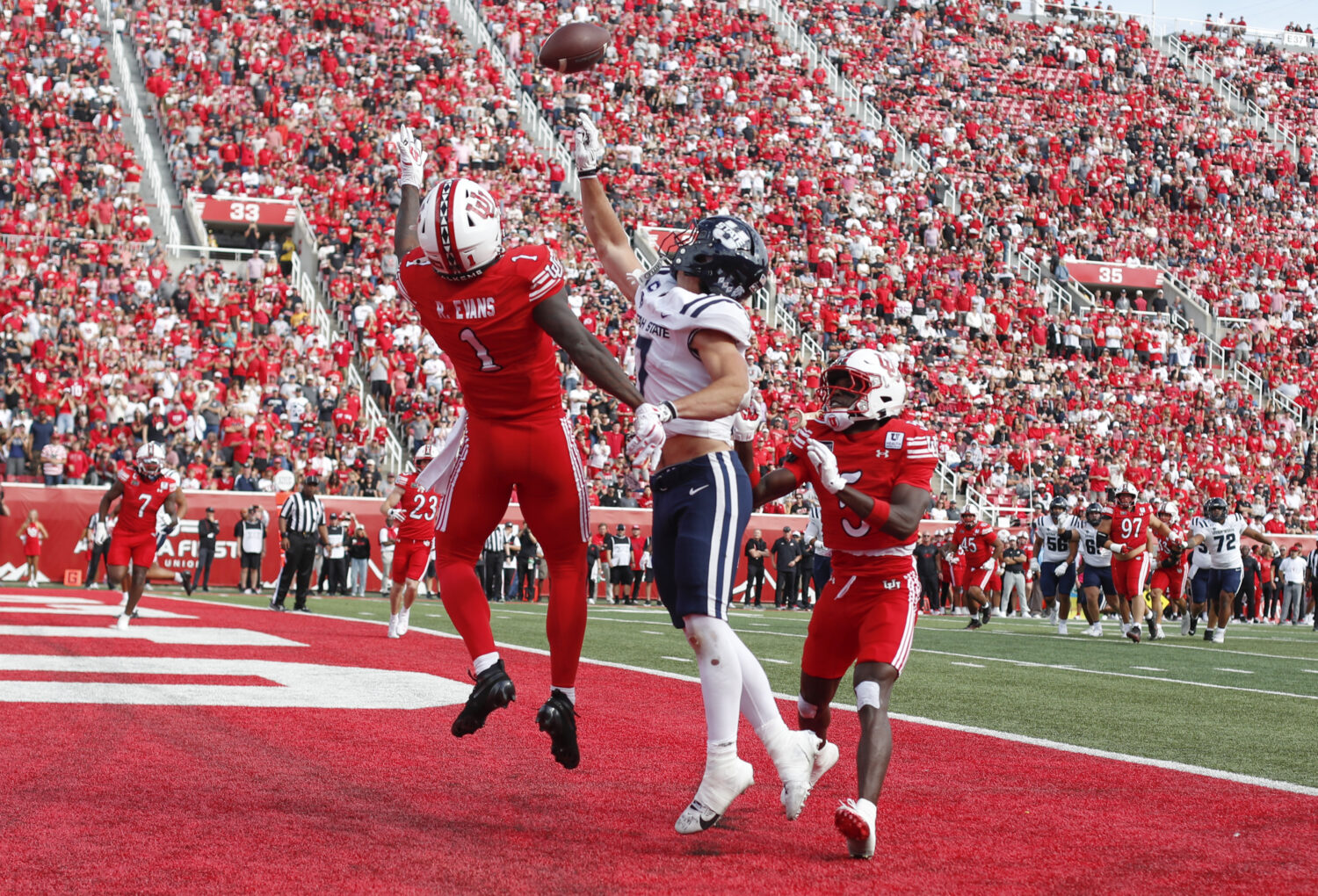
Similar story in the secondary as only Blake Cotton and Rabbit Evans were seniors this year. However, Evans is likely to return next year, but there could be attrition in the secondary.
So, keeping Galea’i home fills a safety-nickel role, where he can make an impact as a rangy playmaker, who can initially learn behind veteran safeties before vying for playing time. At cornerback, Waters (from Texas) and Hinchen (California) both add to a position group that needed an infusion of young talent to bolster depth.
Finally, Utah will say goodbye to two seniors in Lander Barton and Levani Damuni. There is depth in the room but Utah signed two linebackers in the class, Idaho standout LaGary Mitchell Jr., and welcomed Tayson Reid, from Snow College. The two helped to address the short-term and long-term outlook at linebacker.
Depth is the keyword – even if none start immediately, history shows the Utes will need ready bodies in the defensive backfield sooner than later.
Hitting the QB and skill positions
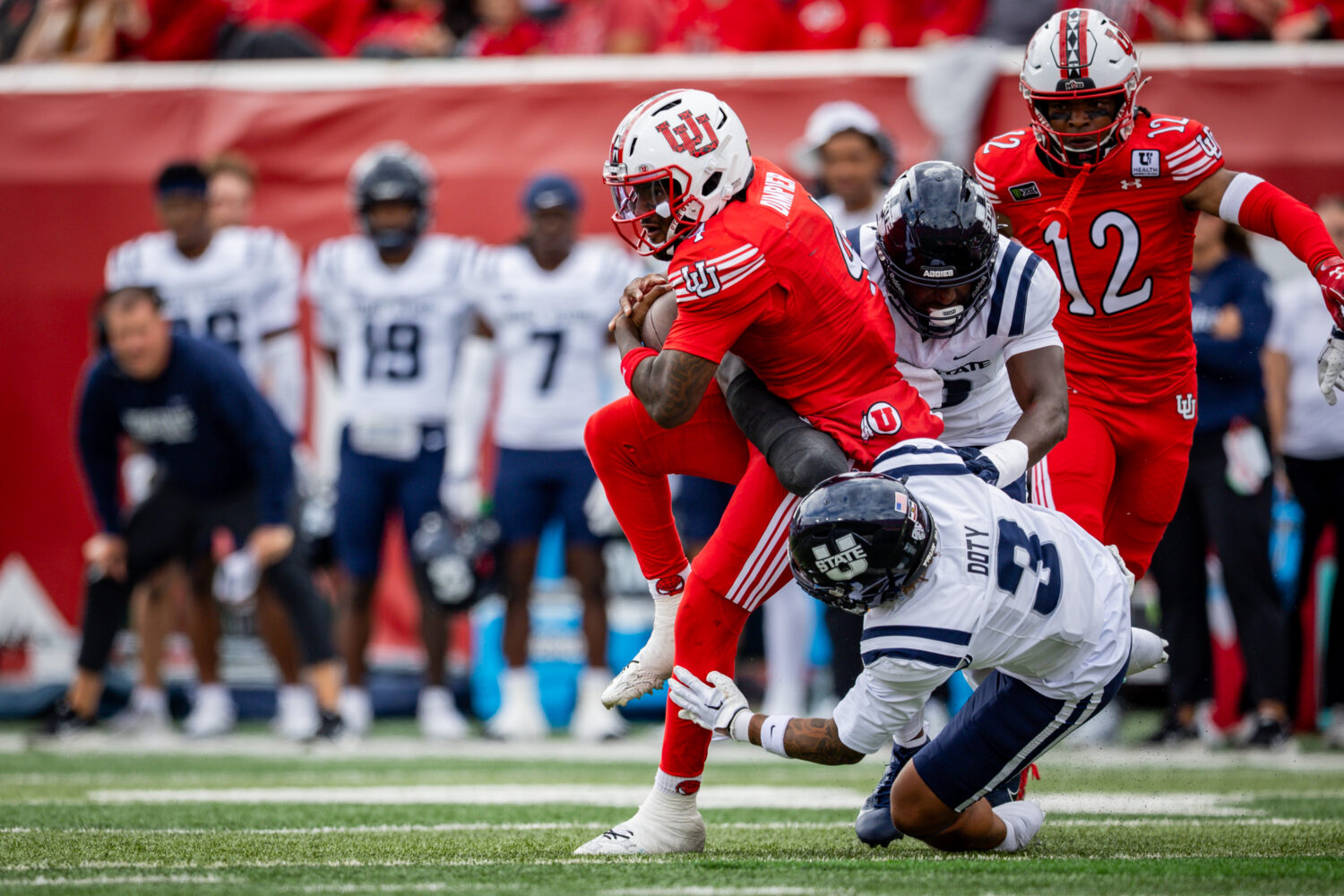
At the offensive skill positions, Utah ensured the quarterback room is well-stocked by signing two quarterbacks. Utah seems to be trending towards bring back Devon Dampier and Byrd Ficklin, but adding dual-threat Michael Johnson out of Georgia, and Kane Archer in a late recruiting coup ensures future depth is solid.
Archer, a 6-foot-1, 205-pound Arkansas standout, flipped from UCF just ahead of signing day. He brings video-game stats – nearly 10,000 career passing yards and a national-record 75% completion rate in 2025, which led to 3,212 yards and 30 touchdowns. Johnson finished his senior season with 2,331 yards through the air and 544 on the ground, leading to 21 total touchdowns.
As Whittingham noted in the past, the quarterback room turns over quickly in the transfer portal era, so you must “recruit a quarterback and try to balance it out” every year. Archer and Johnson will join a QB competition in 2026, ensuring Utah isn’t caught thin at the game’s most important position.
The Utes also addressed a running back need by signing LaMarcus Bell, a shifty 5-foot-11, 190-pound back from Oregon who racked up over 1,600 rushing yards and 25 touchdowns as a senior.
In the receiving corps, Utah landed a game-breaker at wide receiver with the flip of Salesi Moa. He adds a truly explosive element to the room. Then, Utah signed tight end Bear Fisher, who projects as a development prospect but one with the the qualities that has faired well at that spot.
Overall, Utah’s recruiting haul is only 17 large, split pretty evenly with nine on offense and eight on defense. Utah plugged its biggest holes in the trenches and added playmakers at critical spots. After signing day, the roster “to-do list” looks mostly complete: the smaller class was by design – as the Utes’ will turn to the transfer portal to bring in players with college experience at key positions.