Notes from Utah football spring practice
Mar 21, 2026, 2:59 PM | Updated: Mar 23, 2026, 6:28 am

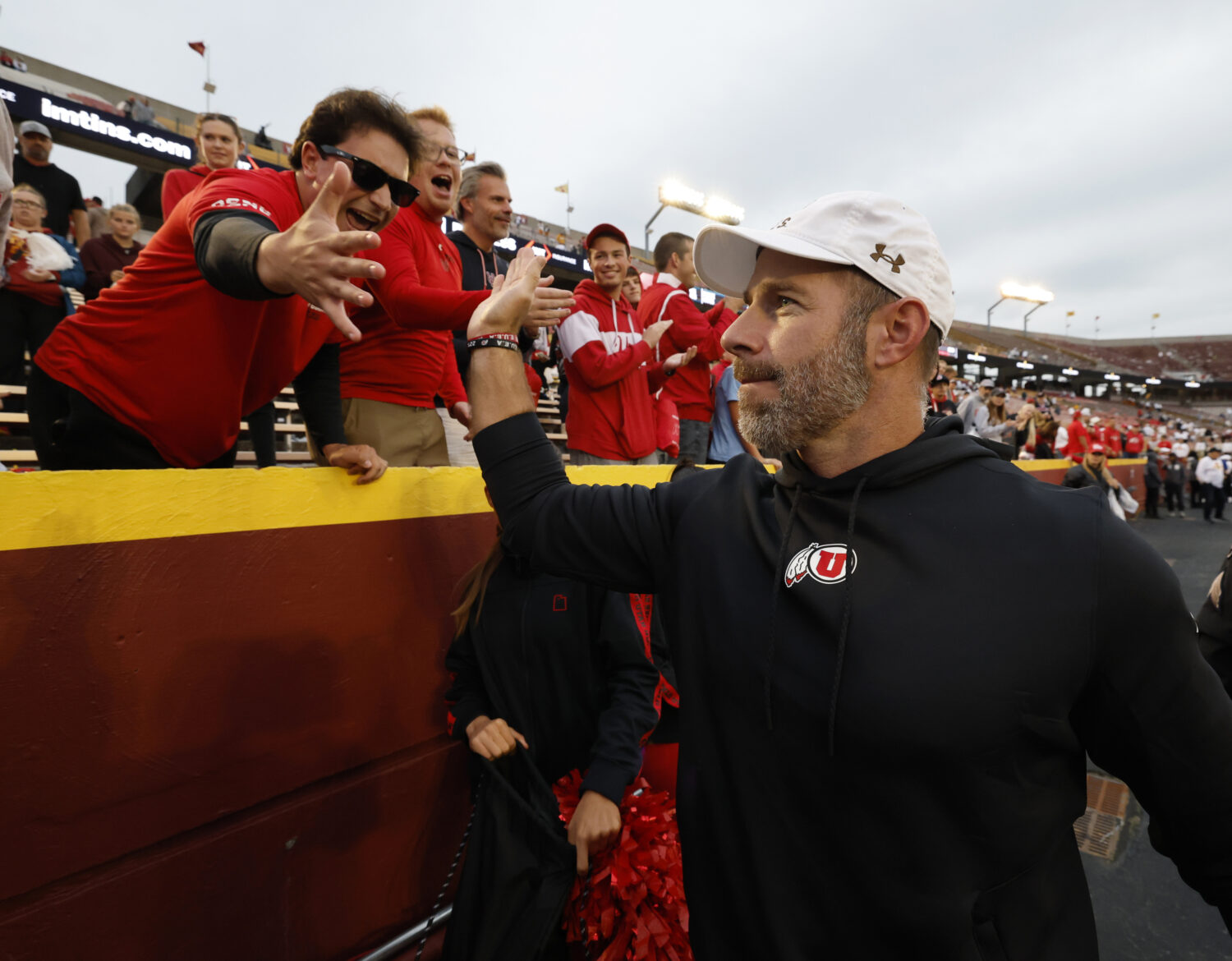
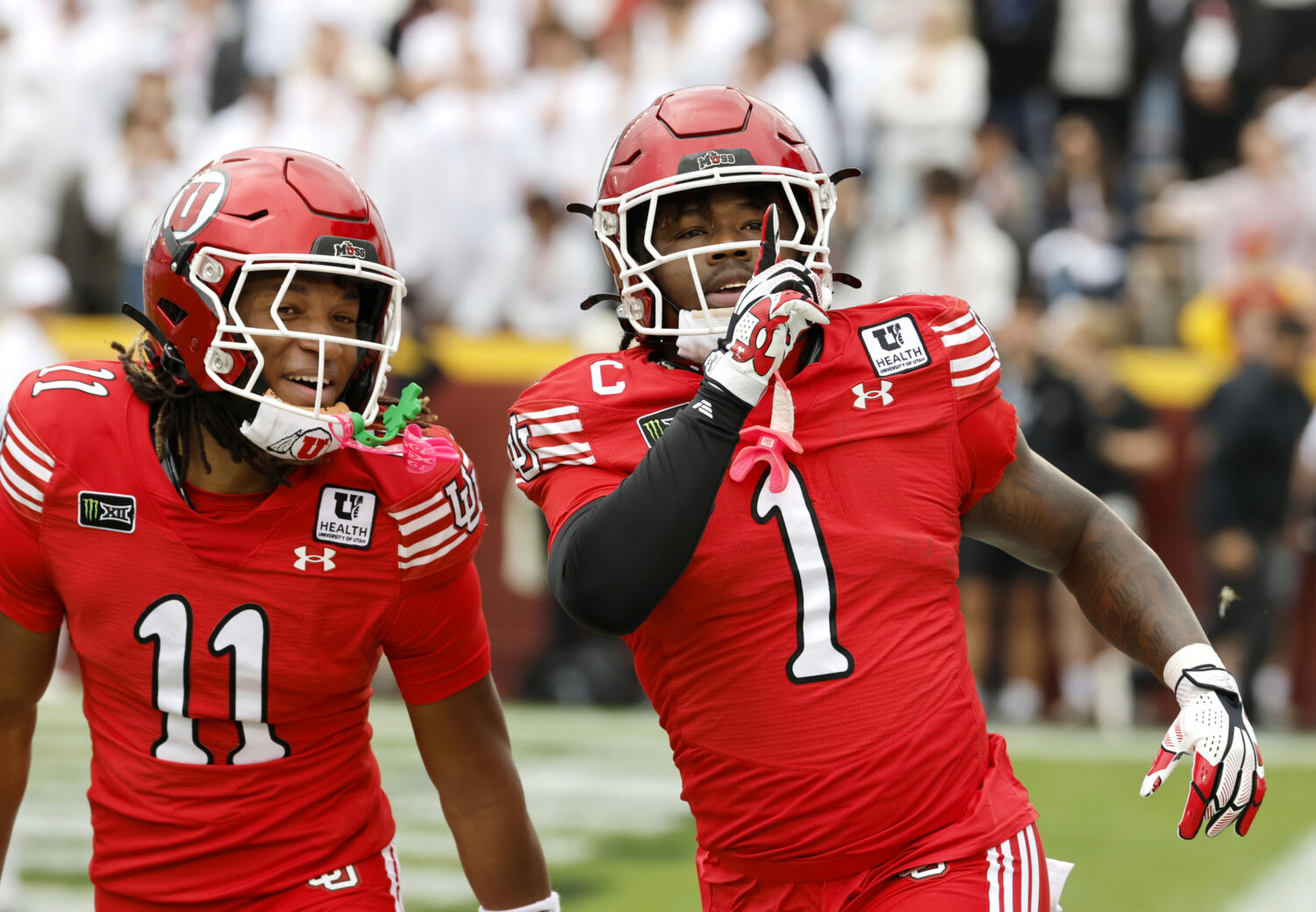
Utah Utes football spring practice in Salt Lake City, UT on Thursday, March 19, 2026. Anna Fuder/Utah Athletics

SALT LAKE CITY — The first real look at a Morgan Scalley-led Utah football spring practice didn’t disappoint—and more importantly, it didn’t feel the same.
Yes, there were familiar elements— Sharrieff Shah and Mark Atuaia still brought the noise, coaching points still echoed across the field, and the physicality Utah has built its identity on was present.
But the overall energy? Noticeably different. More upbeat. More urgent. There’s a different rhythm to practice. Maybe it was the music being played during certain segments of practice. But generally, the vibe was different and it’s hard not to connect that directly to Scalley’s influence.
Quarterbacks steady the tone in spring practice
Devon Dampier and Byrd Ficklin both looked comfortable and in command. The ball came out clean, decisions were quick, and they made the types of plays that defined their production last season.
Dampier didn’t have a big volume of reps today, likely an effort to protect him in his near-complete recovery, but he made the most of them. Creating with his legs and converting on opportunities down the field.
The bigger takeaway is that this offense feels like it’s built to elevate the two of them, and maximize the return on investment they’ve made in them. If Utah gets a jump at quarterback in this system, everything else opens up.
The freshmen Kane Archer and Michael Johnson were up and down, but there were some genuinely impressive throws by both. It’s going to be a process to become more consistent, but there’s ability in both to develop.
Receiver group flashes depth and confidence
The receiver room might’ve had the strongest collective showing of the day.
Larry Simmons delivered the highlight—an acrobatic catch where he pinned the ball against a defender’s back and secured it through the ground. That’s not just athleticism—that’s confidence. He looks bigger, more filled out, and far more assertive in how he’s playing.
. @Devonddampier ➡️ @LarrySimmons700 ‼️ pic.twitter.com/e1bT8tPwi2
— Utah Football (@Utah_Football) March 21, 2026
Behind him, Braden Pegan, Kyri Shoels, Ricky Johnson, and Creed Whittemore all had moments. Shoels created consistent separation, while Johnson showed toughness hauling in a catch through contact over the middle.
In one-on-ones, the group consistently competed—and that matters. Utah needs this room to be more than just functional. This group isn’t at full strength and yet, still looks like the depth has improved. Obviously, that will be up to the players to prove that over the course of camp.
Defensive front brings juice
Up front, Utah looked completely different, and yet, familiar at the same time. The Utes have so many new faces along the defensive line, yet, the physicality that the program has long been known for was there..
Karson Kaufusi looks like a different player physically. He’s always been big, but now there’s real definition to his frame. More importantly, he’s vocal—holding teammates accountable and clearly embracing a leadership role aligned with Luther Elliss’s standard.
Alongside him, Pupu Sepulon and Jireh Moe were problems—quick, twitchy, and constantly in the backfield. Those are the types of interior disruptors that wreck timing.
Lance Holtzclaw consistently set the edge and created push. Ethan Day and Kash Dillon look like two stout edge defenders. Ethan Day added one of the more impressive reps of the day—shedding a blocker with a club move and tossing him aside entirely. That’s NFL-level violence when it’s consistent.
And then there’s Johnathan Hall—who took ownership of the defense vocally. More demonstrative, more commanding. Utah needs that presence, and on this day, he delivered it.
𝐖𝐞𝐞𝐤 𝟏 in the 📚#GoUtes | #RSNB pic.twitter.com/VUD90kdnna
— Utah Football (@Utah_Football) March 21, 2026
Secondary size stands out immediately
The secondary passed the eye test in a big way—literally. Utah has multiple defensive backs north of 6-foot-2, and that size showed up in contested situations. Passing windows felt tighter. Throws had to be more precise.
After returning from his mission in December, Davis Andrews made a strong first impression. He flashed early with an interception in one-on-ones. He looks the part already—long, fluid, and instinctive. There’s going to be rust to shake off, but the starting point is impressive.
Jackson Bennee continues to be a versatile piece, while getting Nate Ritchie and Rabbit Evans back on the field provides experience and stability.
Offensive line holds its ground
Zereoue Williams rarely concede a rep. That’s the kind of consistency Utah needs on the edge. Solatoa Moeai and Keith Olson were steady inside, while Cedric Jefferson looked capable and held his own.
Freshman Kelvin Obot looks the part at around 6-foot-5 and moves really well, but like most young linemen, needs more upper-body mass to compete consistently. He now wears No. 55, and just like Spencer Fano experienced as an early enrollee with high expectations, Obot had some really impressive reps, but also some humbling ones. That’s all part of the process and there’s plenty to be encouraged by.
Meanwhile, Soren Shinofield quietly stacked solid reps—one of the more under-the-radar positives of the day. Ike Garcia being back on the field is notable— because the staff clearly sees something there worth investing in.
There is a lot to smooth out with this group but the pieces are there to put together a solid unit. Developing chemistry and a higher level of execution will be a process this spring.
The Bottom Line
Utah’s first full look under Morgan Scalley delivered exactly what you’d expect from a program trying to evolve without losing its identity—high energy, physical play, and a noticeable shift in tone. The tempo felt sharper, the accountability more vocal, and the overall structure more intentional.
That showed up across the roster, starting with Devon Dampier and Byrd Ficklin, who looked comfortable and efficient, and extending to a receiver group that flashed depth and confidence behind a standout day from Larry Simmons.
Defensively, Utah looks like it could lean into its strengths in a big way. The front was disruptive and deep, with Karson Kaufusi, Lance Holtzclaw, while the secondary’s size immediately stood out as a real advantage in coverage.
The offensive line held its own in stretches, but the bigger takeaway is this: the baseline hasn’t dropped. If this energy and physicality carry into padded practices, Scalley’s version of Utah might be built to do more than just sustain success—it could push the program forward.