Boise State Football Coaches Taking Furloughs Amid COVID-19 Pandemic
Apr 21, 2020, 3:38 PM | Updated: 3:44 pm
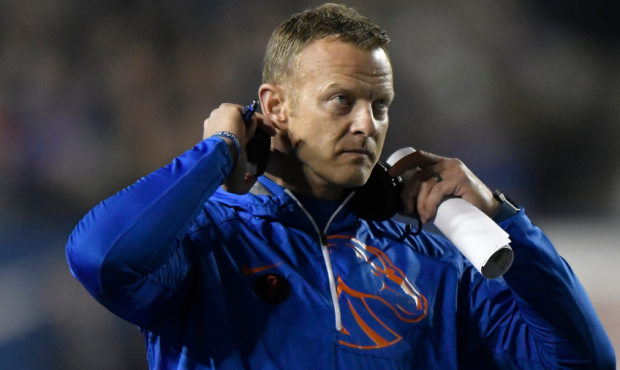
PROVO, UT - OCTOBER 6: Head coach Bryan Harsin of the Boise State Broncos looks on in the first half against the Brigham Young Cougars during their game at LaVell Edwards Stadium on October 6, 2017 in Provo, Utah. (Photo by Gene Sweeney Jr./Getty Images)
(Photo by Gene Sweeney Jr./Getty Images)

BOISE, Idaho – The COVID-19 pandemic has impacted all walks of life and college sports is no different.
On Tuesday, a sign that the cancelation of sporting events on universities is having its side-effects. Employees at Boise State University will be taking furloughs after the school has suffered $10 million due to the cancelations. The furloughs also include all of Boise State’s athletic coaches.
Boise State University President Marlene Tromp sent an email to all faculty and staff at the university informing them of the furloughs. The email was obtained by the Idaho Statesman.
“As many of you know, like 80 percent of universities across the nation, we made what I firmly believe was the right decision to provide millions of dollars of prorated refunds to our students for dining, housing and parking fees. We have also had to cancel millions of dollars in revenue-generating events through the school year and into the summer. These direct losses alone create a nearly $10 million impact.”
Every employee at Boise State that makes more than $40,000 per year are required to take a furlough.
Boise State head football coach Bryan Harsin and all but one of his assistant coaches will be taking the school’s maximum 10-day furlough. Two weeks of work from Harsin’s salary equals $63,000 per the report.
The Broncos are the first Division I school to require furloughs for its coaches. How many more colleges will follow suit?
One can only imagine what would happen to universities if the college football season doesn’t start on time this fall. According to Mountain West Conference Commissioner Craig Thompson, 85 percent of the revenue derived from college athletics comes from college football.
Coronavirus Resources
- Have you or a family member been affected by coronavirus issues in Utah? KSL TV wants to hear from you. Contact KSL by emailing social@ksl.com.
- What is COVID-19? Here’s What You Need To Know To Stay Healthy
- What We Know And Don’t Know About The Coronavirus
- Four Common Coronavirus Questions Answered
- The latest coronavirus stories from KSL TV can be found at our Staying Safe: Coronavirus section.
- Your Life Your Health: How can parents prepare their home, children against coronavirus?
How Do I Prevent It?
The CDC has some simple recommendations, most of which are the same for preventing other respiratory illnesses or the flu:
- Avoid close contact with people who may be sick
- Avoid touching your face
- Stay home when you are sick
- Cover your cough or sneeze with a tissue and then throw the tissue in the trash
- Wash your hands often with soap and water for at least 20 seconds, especially after going to the bathroom, before eating, and after blowing your nose, coughing or sneezing. Always wash your hands with soap and water if your hands are visibly dirty.
- If soap and water are not readily available, use an alcohol-based hand sanitizer with at least 60% alcohol.
The CDC does not recommend wearing a face mask respirator to protect yourself from coronavirus unless a healthcare professional recommends it.
How To Get Help
If you’re worried you may have COVID-19, you can contact the Utah Coronavirus Information Line at 1-800-456-7707 to speak to trained healthcare professionals. You can also use telehealth services through your healthcare providers.
Additional Resources
If you see evidence of PRICE GOUGING, the Utah Attorney General’s Office wants you to report it. Common items in question include toilet paper, water, hand sanitizer, certain household cleaners, and even cold medicine and baby formula. Authorities are asking anyone who sees price gouging to report it to the Utah Division of Consumer Protection at 801-530-6601 or 800-721-7233. The division can also be reached by email at consumerprotection@utah.gov.