Kyle Whittingham: To Return Or To Retire As Head Coach Of Utah Football?
Dec 5, 2025, 4:29 PM | Updated: 4:52 pm

SALT LAKE CITY — For the first time in two decades, the most important decision in Utah football isn’t about scheme or personnel, it’s Kyle Whittingham’s contract-triggered deadline.
After guiding the Utes to a 10–2 resurgence and positioning them as a force in the Big 12, Whittingham now faces the most defining choice of his career — step aside and pass the torch to a handpicked successor, or return for one more climb with a roster built to contend.
To be clear, all Whittingham has to do today is provide written notification of his intent to either return or retire. There is no requirement that the decision be made public today.
Iron Utes ⛓️🙌 pic.twitter.com/sIFdpb9rYq
— Utah Football (@Utah_Football) December 4, 2025
Kyle Whittingham, will he return or will he retire?
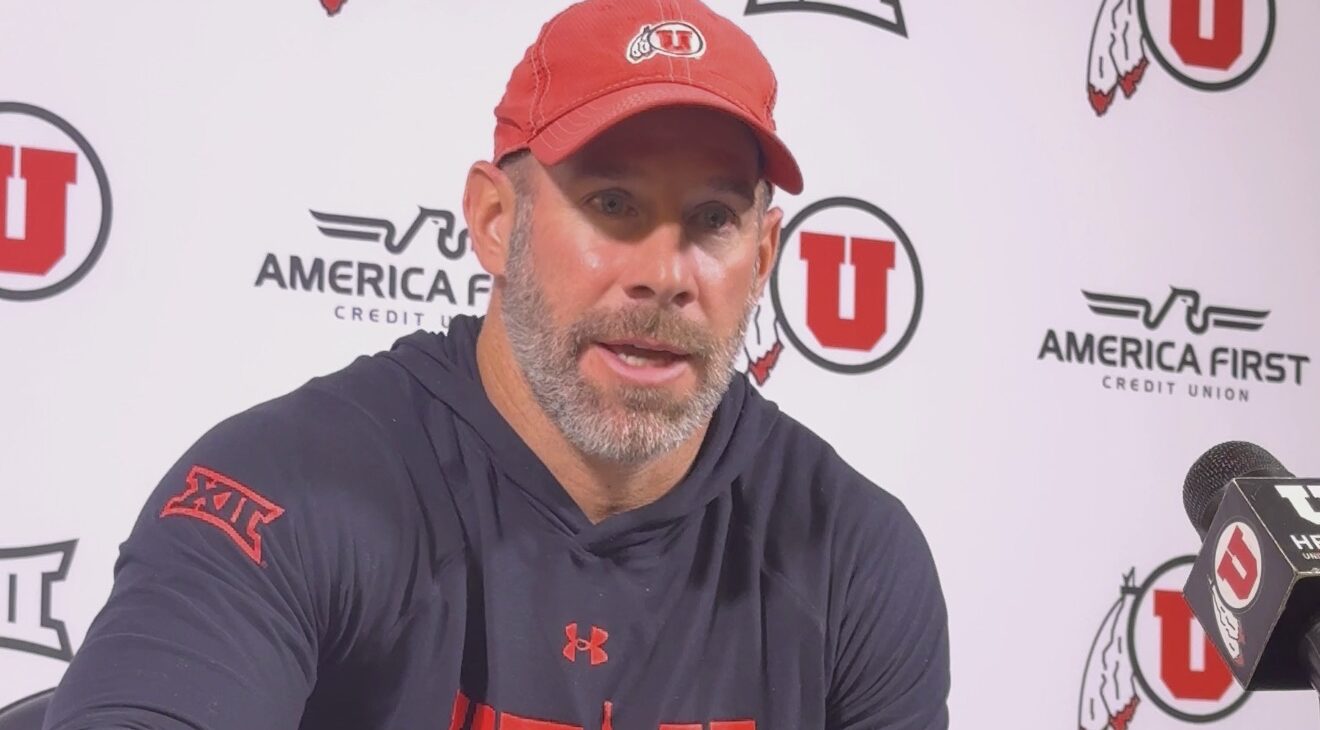
In his final post-game press conference of the season, Whittingham handled questions about his future the way he handles most uncomfortable topics. His “spread eagle on a couch” comment got laughs, but it bought himself space with jokes before turning to what actually matters.
And when he did? The tone shifted.
He said he needs time to “decompress and reflect.” That’s not coach-speak. That’s a veteran acknowledging the emotional weight of a career-altering choice.
He admitted “everyone knows that’s out there,” signaling he’s fully aware the decision is hanging over the building.
But he also made sure to emphasize: “I’m having a heck of a time coaching this team.”
That final line is the tell. Whittingham doesn’t sound like a man checked out. He sounds like a man still energized by what he’s doing — even as he wrestles with the timing of when to stop.
This season contextualizes everything. He just guided Utah from a 5–7 stumble to a 10–2 resurgence with a retooled offense and a roster that rediscovered its confidence.
However, as witnessed this week with Chris Kleiman stepping away from his post as head coach, the demands and stresses of the game are significantly different than they were even just five years ago.
The Case for Retirement
Whittingham’s legacy is ironclad. He’s Utah’s all-time wins leader at 177, ranking 38th all-time nationally. The architect of its Power Five ascension, and the steady hand behind the wheel of a consistent conference title contender, and two decades of building national respect. Nothing he could do — or fail to do — would dent that.
Another factor towards retirement is the emotional toll coaches feel today. Coaching in 2025 is nothing like coaching in 2005 when Whittingham took over. NIL, the portal, revenue sharing, and year-round roster management have turned the job into something closer to CEO than tactician.
Financially, he can walk away without blinking. Retiring activates a two-year, high-paying administrative role worth about $3.4 million per year— prestige intact, pressure gone.
And the timing makes sense. Utah isn’t in rebuild mode. The Big 12 transition is complete. Morgan Scalley is in place as the likely successor. The succession plan is clear, and the runway is smooth.
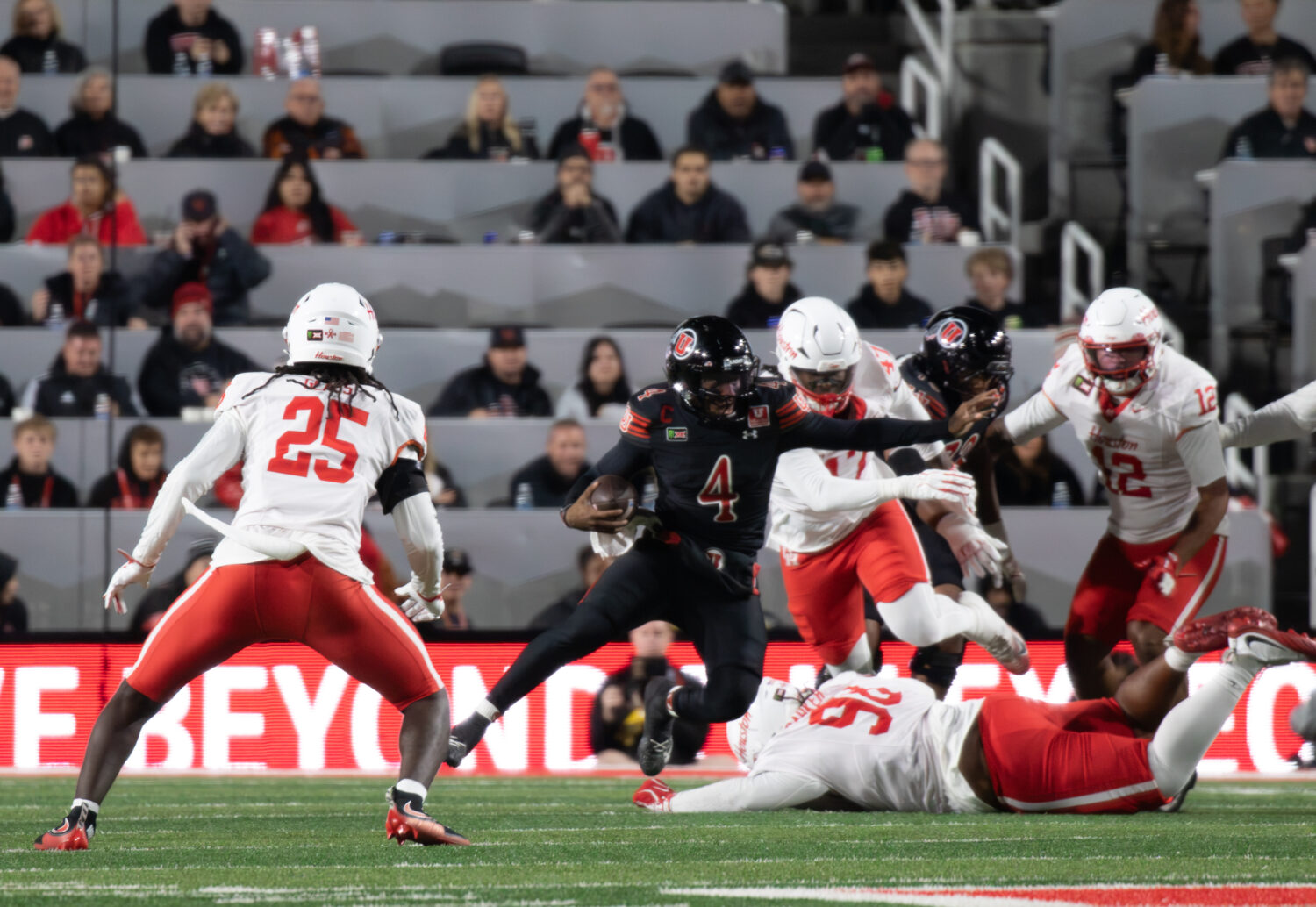
.@Big12Conference 𝐎𝐟𝐟𝐞𝐧𝐬𝐢𝐯𝐞 𝐍𝐞𝐰𝐜𝐨𝐦𝐞𝐫 𝐨𝐟 𝐭𝐡𝐞 𝐘𝐞𝐚𝐫🏅
📰 https://t.co/L753G1EMrv#GoUtes | @Devonddampier pic.twitter.com/lBVcu1pNgE
— Utah Football (@Utah_Football) December 4, 2025
The Case for Returning
On the other hand… Whittingham genuinely seems to still enjoy this. It’s clear that he loves to coach football, it’s just about his entire identity. It’s likely hard for someone like him to come to grips with what retirement will be like, when all he’s known is the grind of coaching.
His comments this year have sounded real, not rehearsed. He coached with energy. He connected with his team. And the roster that could potentially be returning in 2026 would be another title contender.
Utah’s NIL operation seems to be gaining momentum — finally matching what Whittingham’s been advocating for — and if that is the case, that may even help improve Utah’s roster outlook for next season.
And that matters, because Utah isn’t “close” in an abstract sense. It’s close in a real, competitive, conference-title sense. The 10–2 season wasn’t a fluke. Utah looked like one of the league’s toughest outs.
The Morgan Scalley Factor
Scalley’s presence is an interesting and obvious factor. He has the head coach in waiting tag and Utah has clearly built the next era with him at the heart of it.
If Whittingham retires, the transition becomes immediate. The transition would be fairly seamless as Utah has been very open and upfront with players and recruits about where the program is with Whittingham and Scalley.
If Whittingham stays another year, the tension shifts: Does Scalley wait? Does he test the market? His $5M first-year salary is elite security, but also a tether — anchoring him to Utah while the timeline remains in Whitt’s hands.
If He Walks: What Utah Could Face
A Whittingham retirement wouldn’t spark chaos — but it would spark movement. And Utah has spent the last few years preparing for that movement with deliberate transparency.
This program hasn’t hidden the succession plan. Recruits know it. Players know it. Families know it. Utah has been upfront about Morgan Scalley’s role and future, and that honesty has built trust — the most valuable currency in the NIL and portal era.
-
Portal decisions will still come, but Utah isn’t entering the unknown blind. A clearly communicated plan, matched with promising NIL backing and returning leadership, gives Utah a stable transition runway.
-
Staff continuity is far more likely than not. Scalley commands respect inside the building, and much of the infrastructure Whittingham built is designed to carry over seamlessly.
-
Donors won’t be guessing. They’ve been engaged in the long-term vision, and a transition to Scalley isn’t a surprise — it’s the next step in a blueprint they’ve already bought into.
Nationally, analysts will still wonder whether Utah’s identity can outlive Whittingham — but inside the program, that identity has already been firmly established. Scalley isn’t inheriting a brand he must recreate; he’s inheriting one he helped build.
Utah is set up to handle the transition as smoothly as any program in modern college football can. It’s not familiar territory — but it’s a path the Utes have been preparing for.
The Decision Ahead
Whittingham isn’t choosing between a good option and a bad one. He’s choosing between two strong, viable futures:
-
Walk away on a high, legacy intact, and hand off a fully prepared program to his chosen successor.
-
Or take one more run with a roster capable of winning the Big 12, coaching on his terms until he feels the moment is right.
And that leaves Utah, patiently but anxiously, waiting for one final answer: Does Kyle Whittingham believe his climb is complete — or does he believe it’s worth another attempt at scaling the summit?