Utah Football’s CEO Stepped Down, The Grind Starts Again With Morgan Scalley
Dec 29, 2025, 9:30 AM | Updated: 9:46 pm

SALT LAKE CITY—Kyle Whittingham is the new head coach of Michigan football. A sentence that no one anticipated they would be reading a month ago but comes as a result of a messy couple weeks.
He wanted to keep coaching. It’s just now he’ll be doing for a Wolverines program.
It’s clear that the administration wanted a change and the question is, why? Whittingham hadn’t stopped winning. He’s a living legend many wanted to see end his career as a Utah Man.
RELATED: Kyle Whittingham Says He Was ‘Treated Very Fairly’ By Utah Administration
The reality check is this: the job Whittingham mastered over two decades is not the same job the football program needs filled now. In that gap—between legacy and modernity—stands Morgan Scalley, younger, sharper, and built for a version of college football that never sleeps.
This wasn’t a referendum on Whittingham’s greatness. It was an acknowledgment that the grind has changed—and Utah needs a coach willing to start it all over again.
Why the move to Morgan Scalley is the right move
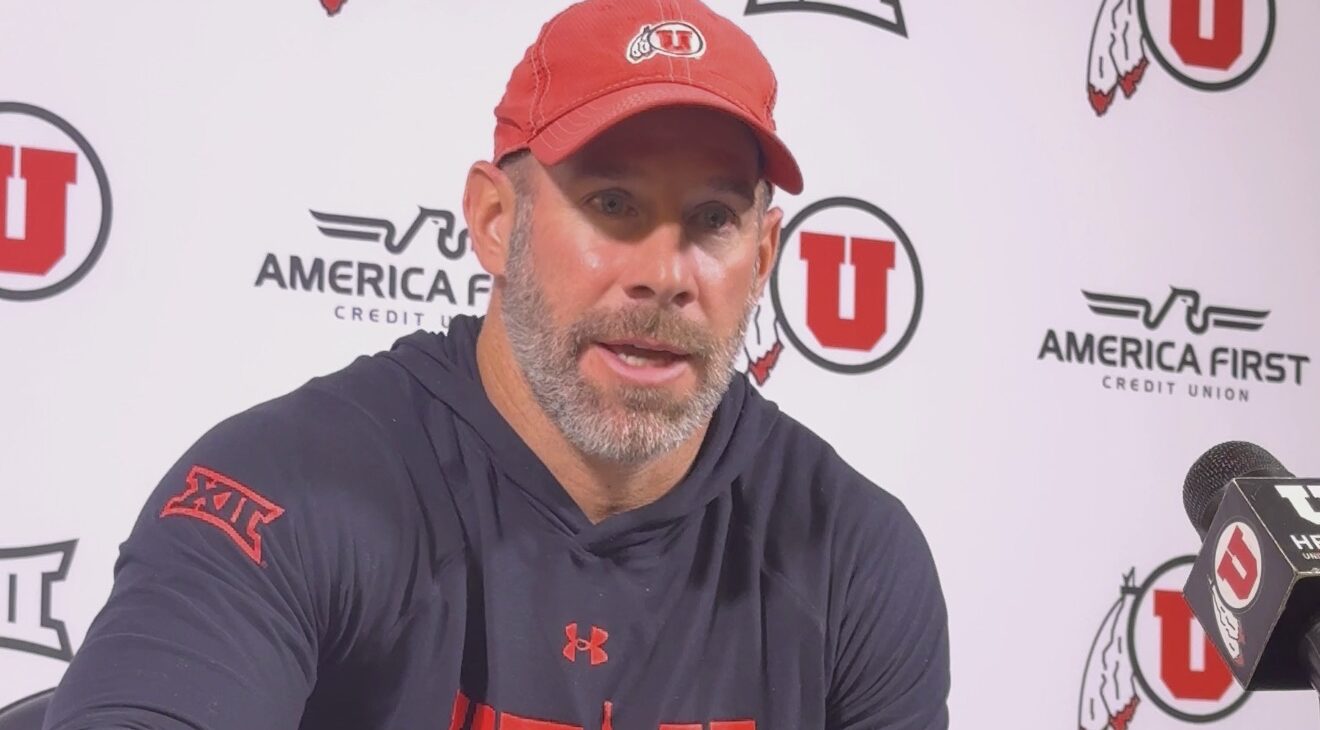
The most overlooked part of this story is Morgan Scalley, Whittingham’s hand-picked successor.
Scalley is 46. Whittingham is 66. That age gap matters—not because older coaches can’t win —Whitt clearly can, but because the job description has evolved.
Whitt is in full-on CEO mode of operation. Delegating a lot of the daily grind responsibilities to others. And that’s doable when financial resources aren’t an issue.
It’s what a long-tenured, legacy-building head coach becomes when the program is mature, the staff is seasoned, and the machine mostly runs on standard operating procedure.
RELATED: Morgan Scalley Officially Named Head Coach Of Utah Football Program
𝐔𝐓𝐀𝐇‼️ Join us in welcoming the 24th 𝐇𝐞𝐚𝐝 𝐂𝐨𝐚𝐜𝐡 in program history, Morgan Scalley!
📰 https://t.co/iGwVeYfXuL#GoUtes | @RSNBUtes pic.twitter.com/b8VflE5WvG
— Utah Football (@Utah_Football) December 13, 2025
Whitt operating like a CEO is earned. It’s the reward for building something stable and successful. He put in the time and the effort into the daily grind, and has reaped the incredible rewards of a lot hard early years at Utah.
However, a modern day head man at a program like Utah is less “Saturday football coach” and more “coach, culture cultivator, full-time recruiter, NIL relationship manager, and roster strategist” every day that ends in Y.
He has to be the daily recruiter, daily relationship builder, and daily roster CEO—and do it while the money and rules are changing under everyone’s feet.
As Utah prepares for the next era of whatever college football is, it needs a coach that is willing to put in that time and that effort into the modern day daily grind all over again.
Utah doesn’t need someone watching over the program—it needs someone willing to live in it every day, recruiting, retaining, managing NIL, and holding the culture together in real time.
The “Whitt” era ends… unceremoniously
Whittingham has left as the program’s all-time wins king (177 wins) and one of the sport’s most consistent builders.
Utah didn’t become “Utah” because it chased shiny objects—it became Utah because it built an identity though development and culture that didn’t fluctuate through highs and lows.
A coach that accomplished all he did typically enjoys a significant sendoff. And yet… the way it ended wasn’t some storybook curtain call.
He’d previously signaled that the age of 65 was the rough finish line. He handpicked Morgan Scalley as the successor-in-waiting — formalized by contract, originally in 2019, and publicly reaffirmed by Utah in July 2024. Nearly everything since then has been done to make this transition as seamless as possible.
RELATED: Kyle Whittingham: The Man Who Redefined The University of Utah
But after last season’s collapse, Whittingham admitted he was close to walking away — but he “couldn’t stomach” going out on 5–7, came back, and said the whole point was to get the ship right.
So, he ran it back this season, and accomplished what he set out to do by guiding Utah to a 10-2 campaign. That’s a logically sound “leave it in a good place” succession plan looks like.
However, as the finish line approached this season and time ticked away this month, Whittingham waffled over the decision all over again.
And that’s where the story gets messy and the “leave it in a good place” narrative starts to wobble.
His departure was unceremonious — not because Utah fans didn’t want the celebration, but because a perfect storm of events didn’t allow for it. The administration certainly has questions to answers regarding how it ended.
𝐎𝐟𝐟𝐢𝐜𝐢𝐚𝐥: Welcome to Michigan, Coach Whittingham! 〽️
🗞️ https://t.co/NUvgIj1ekS pic.twitter.com/dm3NeaU3D6
— Michigan Football (@UMichFootball) December 27, 2025
Whitt’s abrupt pivot to Michigan complicated a clean handoff
Now, he’s the head coach of a Michigan football program and seems rejuvenated. A new 5-year ($41-million) deal is a significant commitment from Michigan. The fire to keep coaching has to be burning hot for Whitt to commit to that as well.
Utah’s 2025 offensive resurgence was a twist on “Whitt ball” thanks to an install of a new system, new relationships, new rhythm. Now, it seems Jason Beck, and other key lieutenants will walk out the door behind the head coach.
Meaning, Utah may not just be replacing a legend. It’s potentially replacing the entire offensive infrastructure and pieces in the same breath. And once the staff points east, the roster anxiety follows right behind it.
RELATED: Kyle Whittingham Clarifies Decision to Step Down: “Now Is The Right Time”
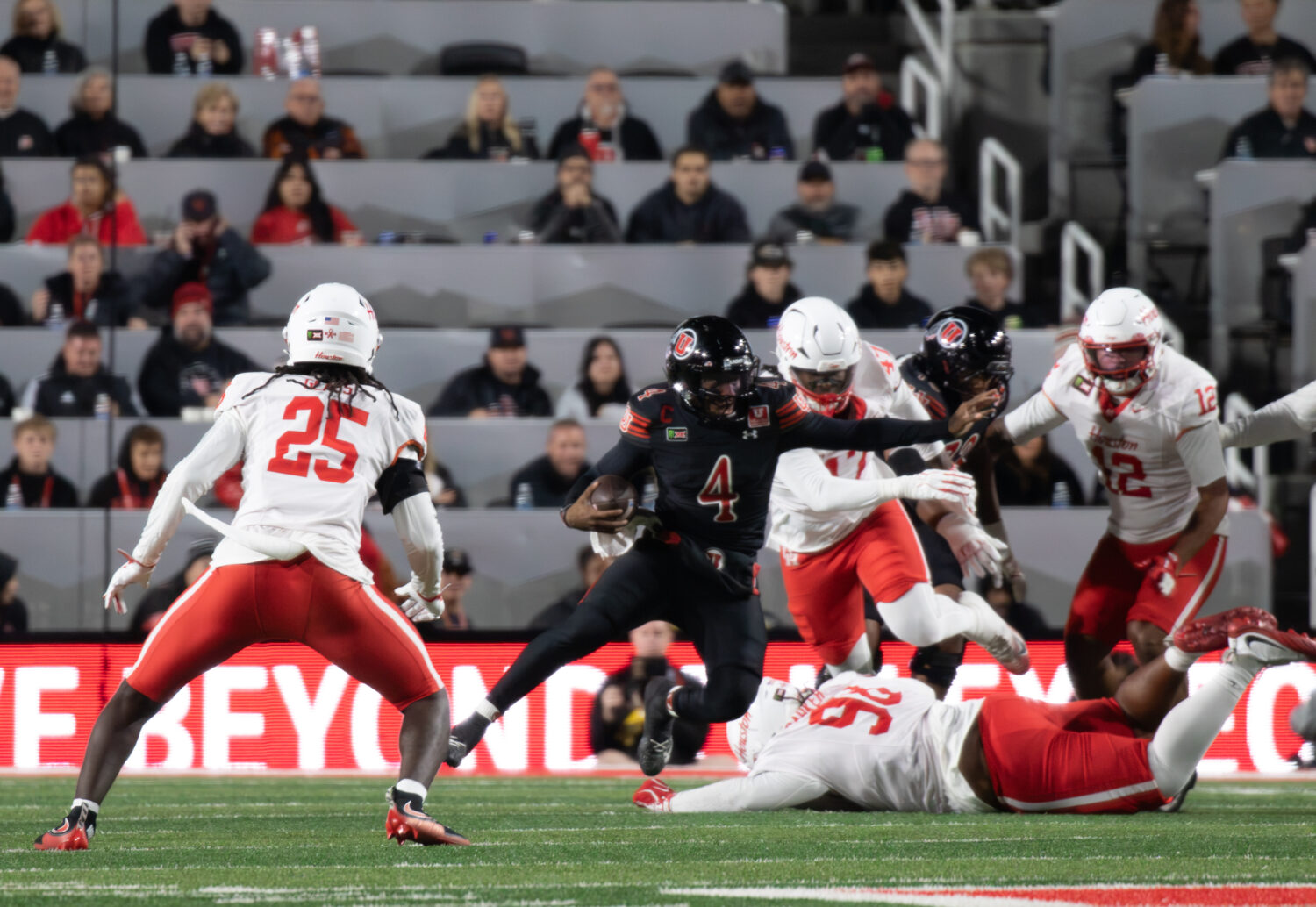
The portal window opens January 2. If Beck leaves for Michigan, that could shake up Utah’s promising quarterback situation — with Devon Dampier’s name explicitly floated as a “wouldn’t be a shock” portal possibility in that scenario.
So yes — Whittingham wanted to leave Utah in a good place. He said it. He planned for it. He even executed part of it by righting the ship with a 10–2 season and endorsing a hand-picked successor.
On paper, it all made sense. In practice, the final act undercut the script.
Staff uncertainty, potential offensive turnover, portal anxiety, and an abrupt pivot to Michigan complicated what was supposed to be a clean handoff.
That’s just something Scalley will have to navigate, but with how this all went down, it feels like the administration has put him in a hole he will need to dig out of.
The Bottom Line
Kyle Whittingham leaves Utah with a program built on real substance—development, culture, and consistency. That foundation isn’t erased by a messy ending.
But the ending was messy. A planned succession collided with modern college football timing, staff uncertainty, and an abrupt pivot to Michigan, leaving Morgan Scalley to inherit both momentum and instability.
Whittingham earned the right to operate like a CEO. Scalley inherits a job that no longer allows it. Utah doesn’t need someone protecting the machine—it needs someone willing to live in it every day, recruiting, retaining, managing NIL, and holding the culture together in real time.