Utah, Colorado Game Preview, Score Prediction
Mar 2, 2026, 4:42 PM

Feb 21, 2026; Salt Lake City, Utah, USA; Utah Utes head coach Alex Jensen speaks with guard Terrence Brown (2) during the second half of a game against the UCF Knights at Jon M. Huntsman Center. Mandatory Credit: Rob Gray-Imagn Images
(2)

SALT LAKE CITY — This is the final home men’s basketball game of the 2025-26 season. It’s not the marquee matchup on the Big 12 slate, but it matters. For Utah, it’s about salvaging at least some late-season momentum and protecting the home floor. For Colorado, it’s about stabilizing positioning and finishing positively in conference play.
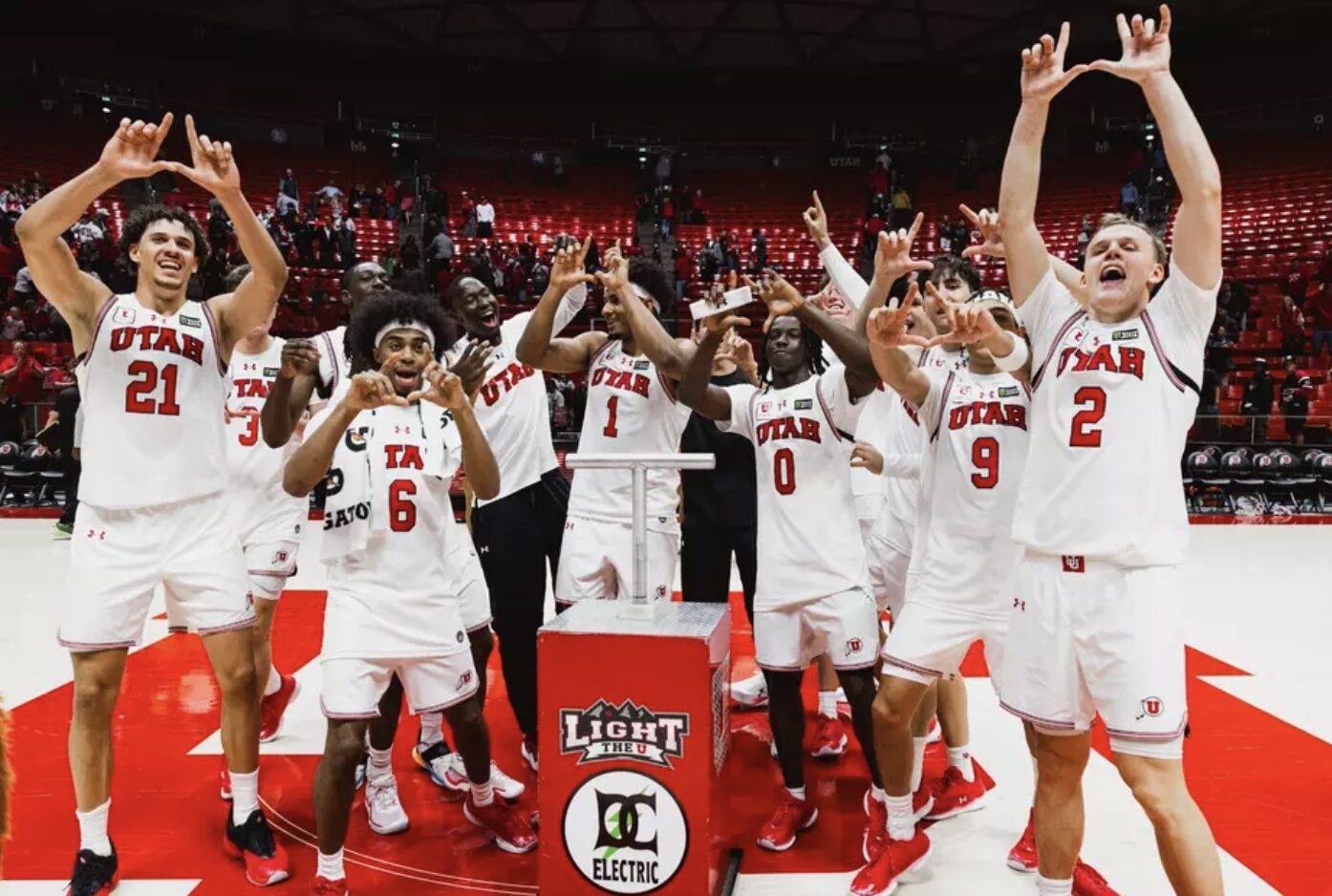
Tip is set for 7:00 pm Tuesday night inside the Jon M. Huntsman Center. The Runnin’ Utes program will honor fifth-year seniors Don McHenry and James Okonkwo during pregame. Fans are encouraged to arrive early and help the program honor the two seniors.
Make sure you get to your seats early Tuesday night as we celebrate @DonMcHenry4 and James Okonkwo on senior night!
🛒🎟️ https://t.co/8SQ7cSGTL7#GoUtes pic.twitter.com/zFUJOZknuG
— Utah Basketball (@UtahMBB) March 2, 2026
In their last meeting this season, Colorado beat Utah 85-73 in Boulder — a game where the Buffaloes controlled the interior and lived at the free throw line. Utah struggled to string together defensive stops and never fully dictated tempo.
Utah Runnin’ Utes, 10-19, 2-14 Big 12
It’s been a grind. Utah’s offense hasn’t been broken — but the defense has made life difficult all season. The Utes carry a -5.4 net rating overall and a 115.8 defensive rating, numbers that simply don’t survive in this league.
Offensively, there’s competence:
- Offensive Rating: 110.4
- Defensive Rating: 115.8
- Effective FG%: 51.8%
- Turnover Rate: 14.6%
- Pace: 67.2
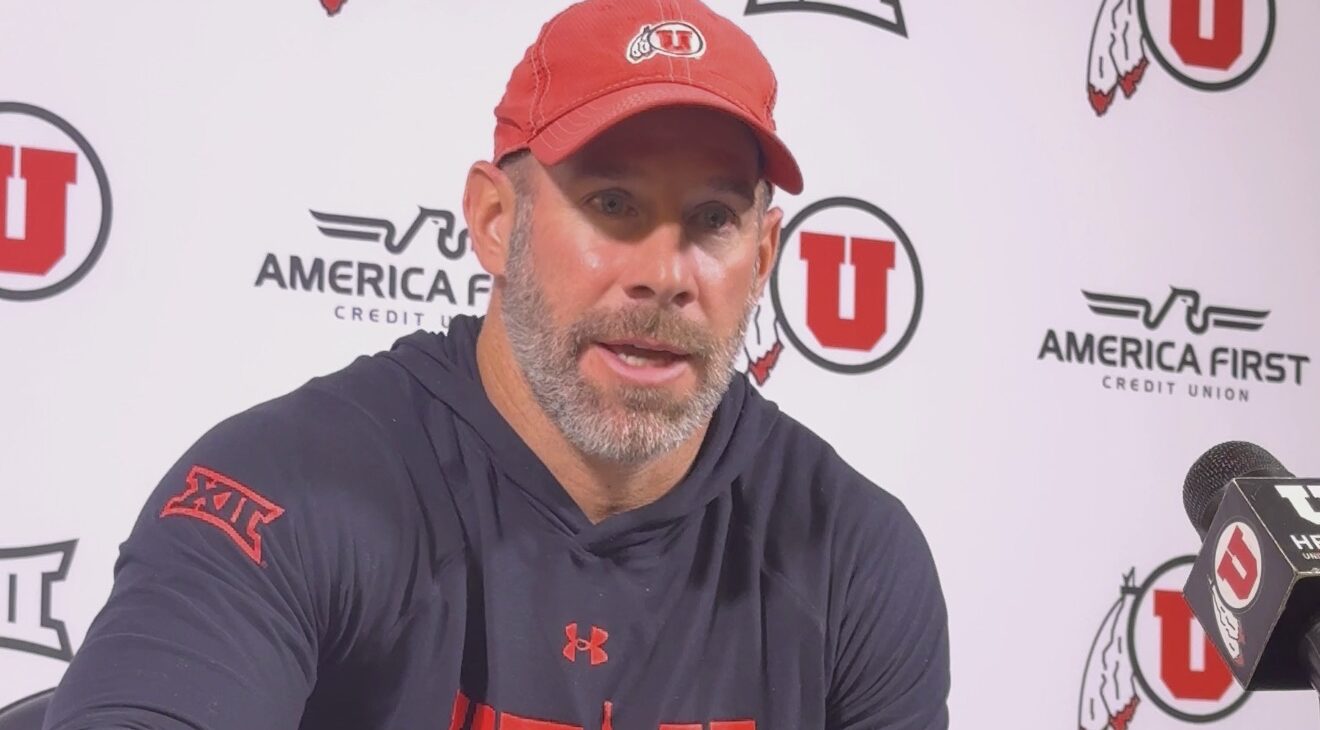
When Utah moves the ball and works together to create quality shots, the offense can look great. But that has been much more infrequent than Alex Jensen would like. The inconsistency defensively has forced them to score perfectly too often.
Colorado Buffaloes, 16-13, 6-10 Big 12
In this matchup, Colorado is the more complete team. The Buffs sit at a +1.1 net rating and score at a higher clip per possession:
-
Offensive Rating: 114.9
-
Defensive Rating: 113.8
-
Effective FG%: 52.9%
-
Turnover Rate: 13.1%
-
Pace: 68.6
Colorado moves the ball well, highlighted by their 1.50 assist-to-turnover ratio shows they move the ball well and avoid self-inflicted damage — a key factor in tight Big 12 games.
Also, a pretty solid rebounding team. The Buffs own a 70.4% defensive rebound rate keeps possessions alive and limits second-chance opportunities for opponents, a slight edge over Utah’s 68.7%.
They’re not elite defensively — that 113.8 defensive rating shows vulnerability — but relative stability and a collection of reliable scoring options make Colorado a tougher out on most nights.
Colorado’s Key Contributors
Isaiah Johnson, G: He leads the Buffs in scoring at about 16.1 PPG on strong shooting splits (.496 FG%, .386 3P%) and high free-throw efficiency, making him a go-to option when Colorado needs consistent scoring.
Barrington Hargress, G: A versatile threat who hovers near 14 PPG with above-average efficiency (.540 FG%), Hargress spaces the floor and forces defenses to balance attention between him and other threats.
Bangot Dak, F: A true difference-maker on the glass and inside presence, Dak posted a double-double (16 pts, 12 reb) in that same Utah game and anchors Colorado’s rebounding and interior scoring.
These contributors fuel Colorado’s balanced attack — they average ~36.2 paint points per game and ~13.7 fast break points, both above Utah’s marks — and help sustain offensive pressure even when shots aren’t falling.
What Utah Must Do to Win
Win the Three-Point Math
Utah’s perimeter game is central to their path to victory. The Utes average roughly 8.5 made threes per game, a touch more than Colorado typically allows, which sets up perfectly if they hit early and often.
When Utah gets going from deep, the entire offense breathes. A couple of early makes — especially by Brown or fellow sharpshooter Don McHenry — forces Colorado to guard the perimeter tighter.
That opens driving lanes, paint touches, and free throws later. In a game that’s likely tight possession for possession, the three-ball can flip momentum fast.
Limit Free Throws
Colorado earns contact at a high rate — they’ve been known to attack downhill and draw fouls at a clip that extends possessions, and that’s dangerous for Utah.
On the season, Colorado has a free throw of 36.1% which was top 60 in the country, but is down to 32.6% in conference play.
The Utes has to stay disciplined. Defend moving their feet, vertical hands on defense, no reach-ins on drives, and solid body positioning without grabbing. It’s the kind of detail that sounds elementary but can swing scoring runs.
Protect the Ball
This is always a top priority for Utah. The Utes turnover rate isn’t ugly on paper, but timing matters. Live-ball turnovers in early offense statistics often lead directly to Colorado transition points.
Teams that score off Utah mistakes have repeatedly shifted momentum — especially when the game looks close late. Colorado comes into this one averaging 14.0 points off turnovers, which is top 70 in the country.
For Utah’s guards, that means being comfortable in tight looks:
-
Move the ball early rather than dribble it into traffic
-
Drive only when the lane opens cleanly
-
Make smarter reads if the shot clock gets late
Rebound with Intent
Numbers don’t scream blowout here, but extra possessions do matter. Colorado has the length and activity to be quite effective on the boards, and in tight games, those second chances are borderline decisive.
Utah has improved as a rebounding squad over the last couple of weeks. Keanu Dawes, who logs strong rebounding numbers — must continue to do so against the Buffs.
The Bottom Line
This rivalry tilt comes down to execution and margins. Colorado’s numbers and balanced scoring — led by guys like Sebastian Rancik and Bangot Dak, with bench punch from Isaiah Johnson — give them a slight analytical edge and a template for consistent offense.
Utah’s path to victory hinges on hitting threes, taking care of the ball, and staying out of foul trouble — exactly the things that negate Colorado’s strengths. When shooters like Don McHenry and Terrence Brown are on, Utah’s spacing makes it a different game, and the Huntsman Center home-court factor (where the Utes historically own a strong edge) matters.
At the end of the day, if Utah controls the pace and limits mistakes, this becomes a tight, competitive game. But if Colorado executes its balanced offense and forces Utah to play catch-up, the Buffs’ slight efficiency advantages should carry them over the finish line. Whoever wins Tuesday will be the team that controls possessions and avoids self-inflicted errors.
Score Prediction — Utah 68, Colorado 74