The most dangerous version of Utah QB Devon Dampier is the one developing before the snap
Aug 7, 2026, 12:11 PM | Updated: Aug 10, 2026, 9:56 am

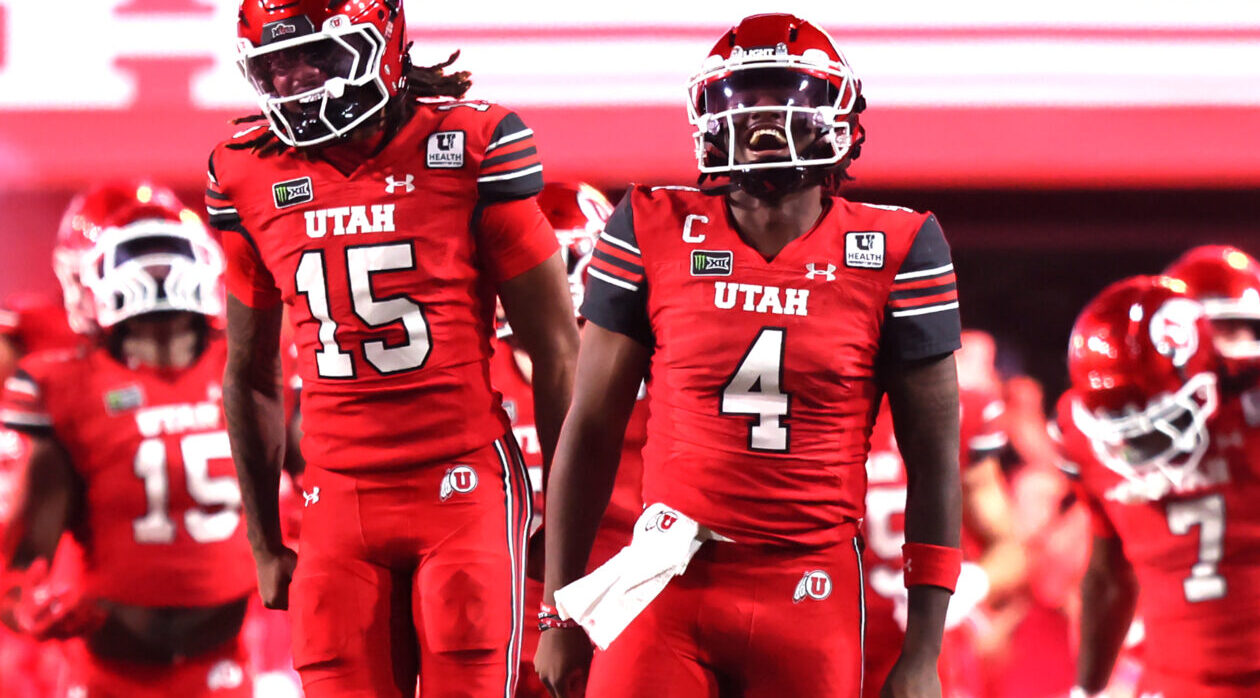
SALT LAKE CITY — Devon Dampier’s danger has never been difficult to identify once the football is snapped.
Give him a crease and he can turn a routine quarterback keeper into a pursuit-angle crisis. Let the pocket collapse and he can escape the wreckage, extend the play and create offense where the original design no longer exists.
The version Utah is developing now may become dangerous before any of that is necessary.
During one of the Utes’ opening fall camp practices, Dampier recognized a defensive coverage, communicated an adjustment to his receivers and watched the group execute it for a big play. The check did not arrive from the sideline. It was not buried on Page 73 of Kevin McGiven’s playbook. The coaching staff had never installed it.
Dampier did not rescue a play after it broke. He solved it before it had the opportunity to fail.
McGiven believes Dampier and the receivers developed the adjustment during their player-led throwing sessions in Arizona. If so, the most valuable thing Utah brought home was not improved timing or another collection of Instagram workout clips. It was a shared language that allowed the quarterback and his targets to diagnose a problem, communicate the solution and punish the defense before it could object.
RELATED: A day in the life of Morgan Scalley, and what it says about his vision for Utah football
Quarterback command extends beyond changing routes
That sequence may be the most convincing evidence Utah has received from Dampier’s offseason work.
It is still just proof of concept, not proof of conquest; but Dampier’s seems to have embraced the responsibilities, and it’s up to McGiven to continue to expanding them and pushing Dampier to do more.
The quarterback can redirect protections at the line of scrimmage when he identifies pressure. Utah did not give him that authority during spring practices. He can also adjust perimeter concepts according to coverage and move the offense into plays it executes well.
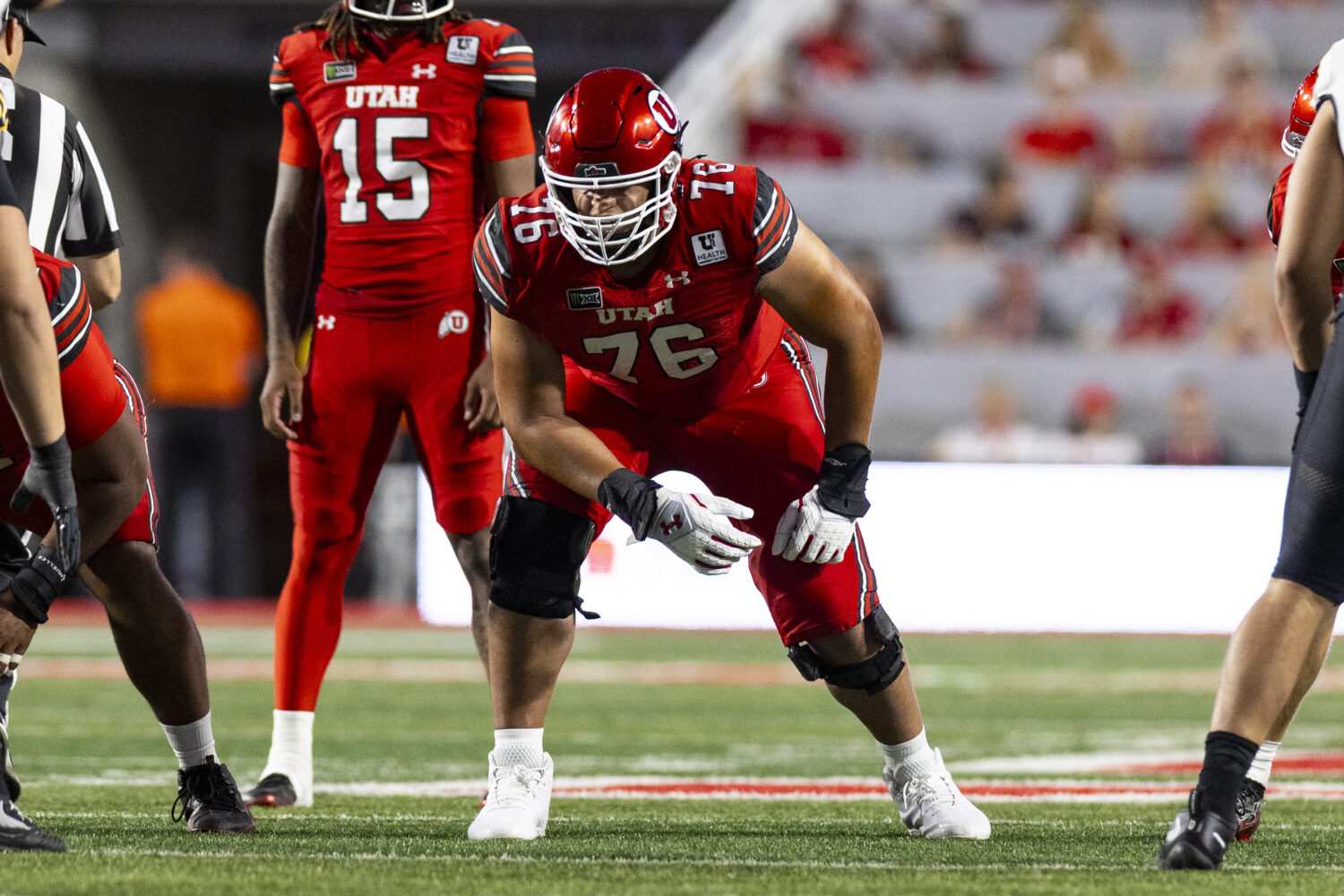
Those decisions will become particularly important behind a reconstructed offensive line.
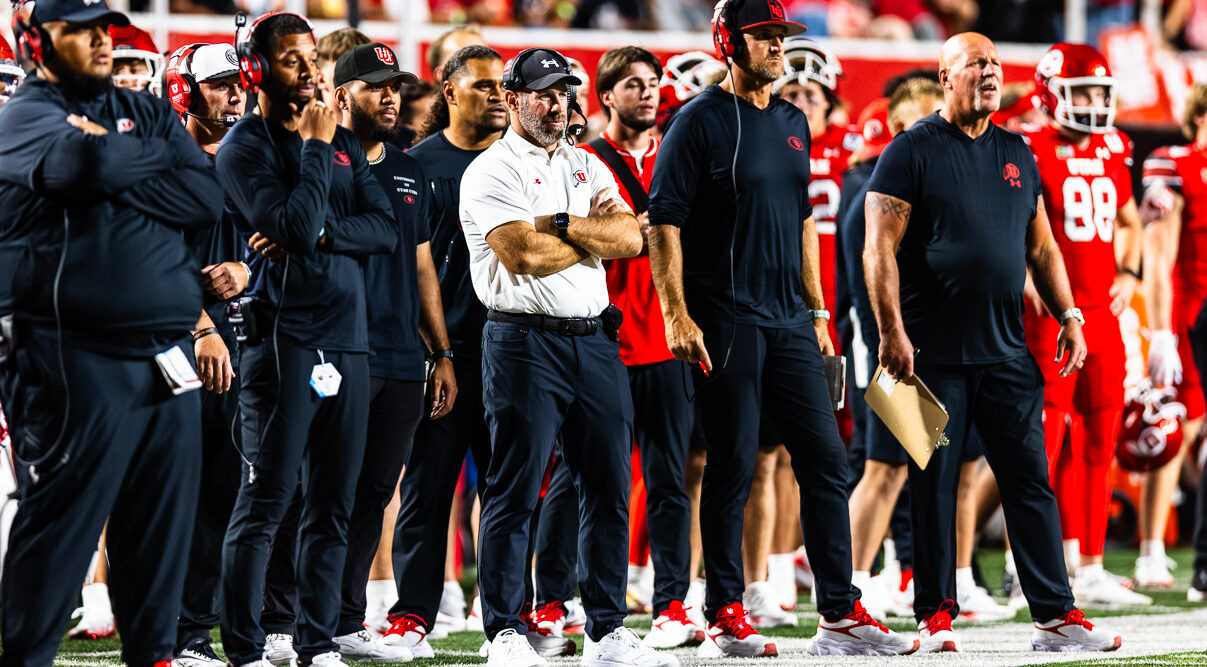
Utah is replacing all five starters from last season. Jordan Gross believes the Utes have approximately 10 linemen capable of playing, but the starting combination remains unsettled and Keith Olson is temporarily sidelined by a sore hamstring.
A quarterback capable of identifying pressure and correctly shifting protection can reduce the burden on that group. It will not transform a missed block into a successful one, but it can ensure Utah has enough blockers accounting for the correct defenders.
Dampier already creates offense when structure breaks down. The next step is preventing unnecessary breakdowns before the snap.
His adjustment with the receivers demonstrated a similar progression.
Utah’s passing concepts require Dampier and his targets to interpret coverage the same way. A quarterback cannot freelance if the receivers remain attached to the original call. The play worked because everyone recognized the same problem and arrived at the same solution.
That is less improvisation than collective understanding.
RELATED: Wayshawn Parker is chasing 1,200 yards; Utah is measuring something bigger
Utah wants freedom without creating bad habits
Greater control does not mean Dampier can treat every snap like neighborhood football. He understands
Quarterbacks coach Ryan Gunderson summarized the necessary guardrail: “Bad habits with good results are still bad habits.”
Dampier possesses enough athletic ability to rescue a flawed situation. He can escape pressure, extend a play and complete a pass that keeps the original mishap absent from the box score.
That will not always work against the Big 12’s best defenses.
Gunderson compared Dampier and Byrd Ficklin to wild mustangs. His responsibility is preserving what makes them dangerous while bringing the fences closer. Utah does not want to eliminate their creativity. It wants to place it inside a process that can be repeated.
The difference matters. Changing a route because Dampier and the receivers independently recognize the same coverage is command. Abandoning structure because the first read feels uncomfortable is freelancing. One expands Utah’s offense. The other eventually produces turnovers.
Fall camp must teach Dampier where that boundary exists.
RELATED: Unloading the notebook: Utah football’s assistant coach availability
Command could also protect Devon Dampier
McGiven said Dampier looks healthy following offseason surgery, particularly when he reaches the perimeter and opens his stride.
Utah will continue using him in the designed quarterback run game. His legs create a numerical advantage that remains central to the offense.
The Utes still must become more selective about the hits he absorbs.
Greater pre-snap control can help. Correcting a protection, moving into a favorable play or identifying an open matchup can prevent Dampier from relying on improvisation every time the original call encounters resistance.
Utah does not need to turn its most dynamic player into a stationary distributor. It needs him to determine which collisions are worth purchasing.
RELATED: Unloading the notebook: New faces begin making noise on Utah’s defense
The Bottom Line
Dampier returned to give Utah stability. His growing command of McGiven’s offense now offers something more dangerous: permission to improvise.
The coverage adjustment showed that Dampier is no longer merely memorizing the script. He can recognize when the defense has changed the scene, call an audible of his own and trust Utah’s receivers to follow without losing the plot.
That freedom still requires discipline. There is a difference between a quarterback improving the script and one wandering off it because the first read became uncomfortable.
Opposing defenses can prepare for what McGiven puts on film. Utah becomes considerably harder to contain if its leading man can rewrite the ending after the ball is ready to be snapped.