New production studios expand Utah Athletics’ reach, revenue opportunities
Aug 12, 2026, 12:38 PM | Updated: Aug 13, 2026, 10:07 am
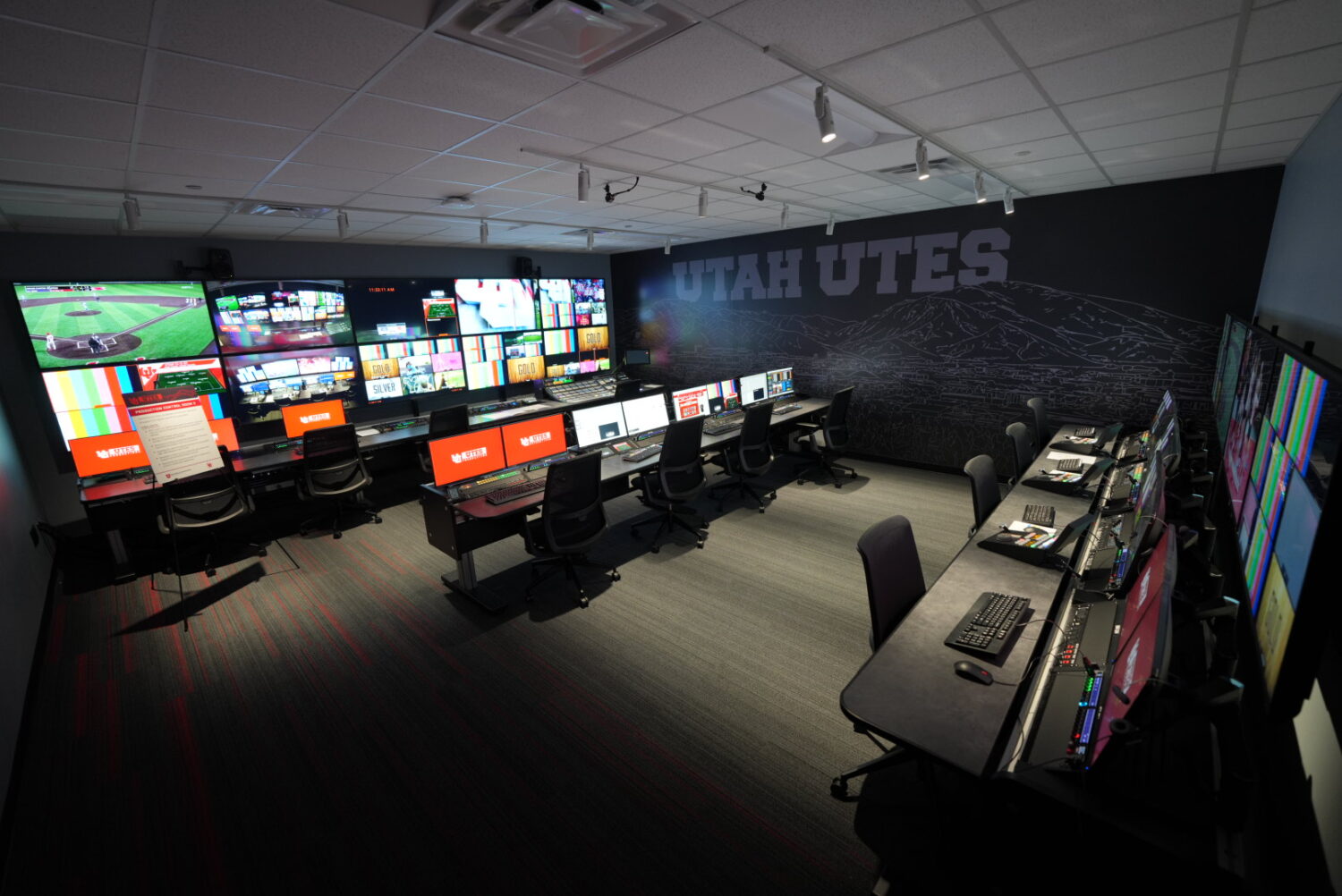
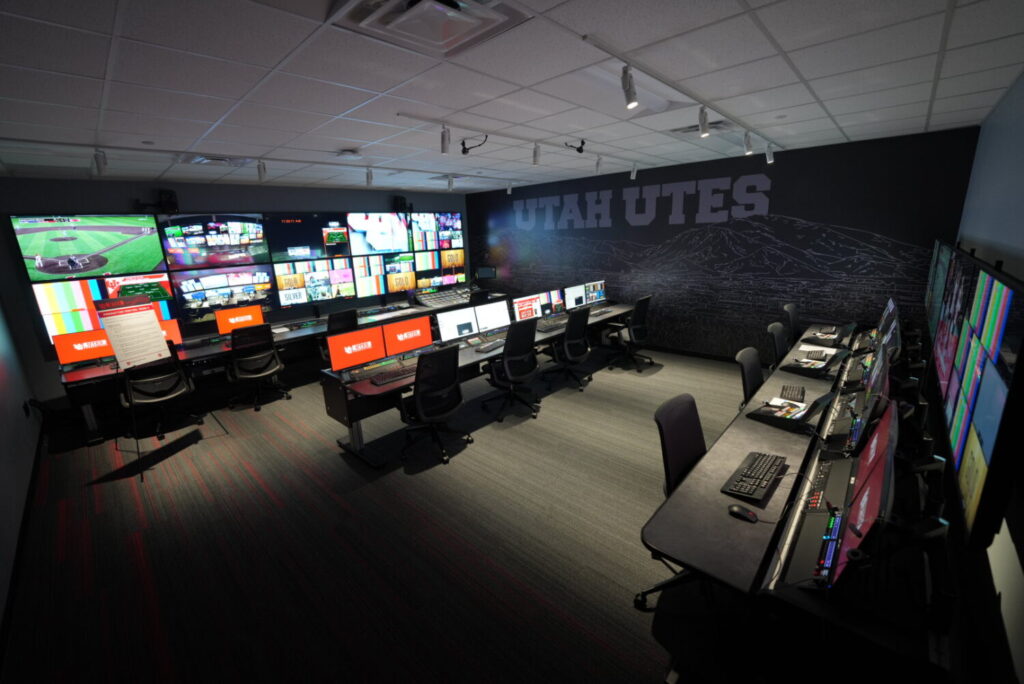
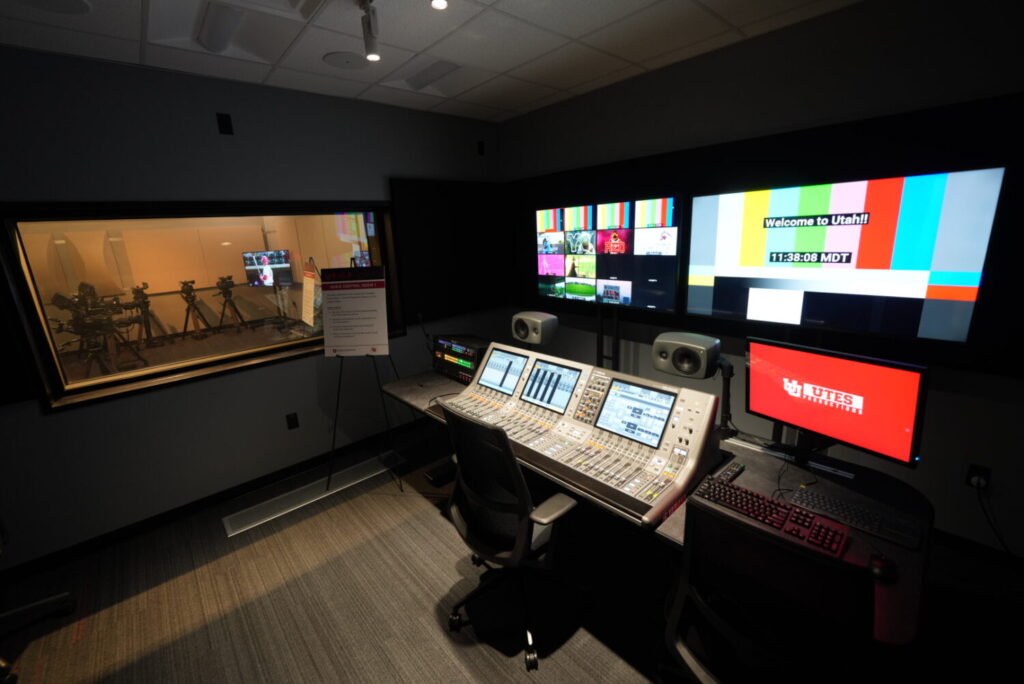
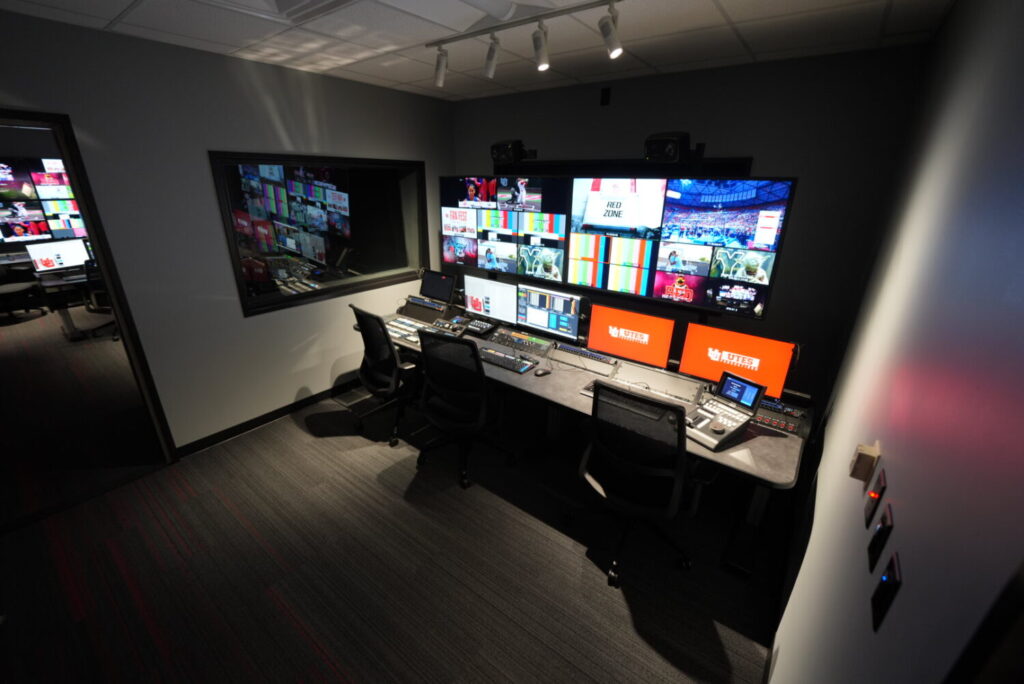
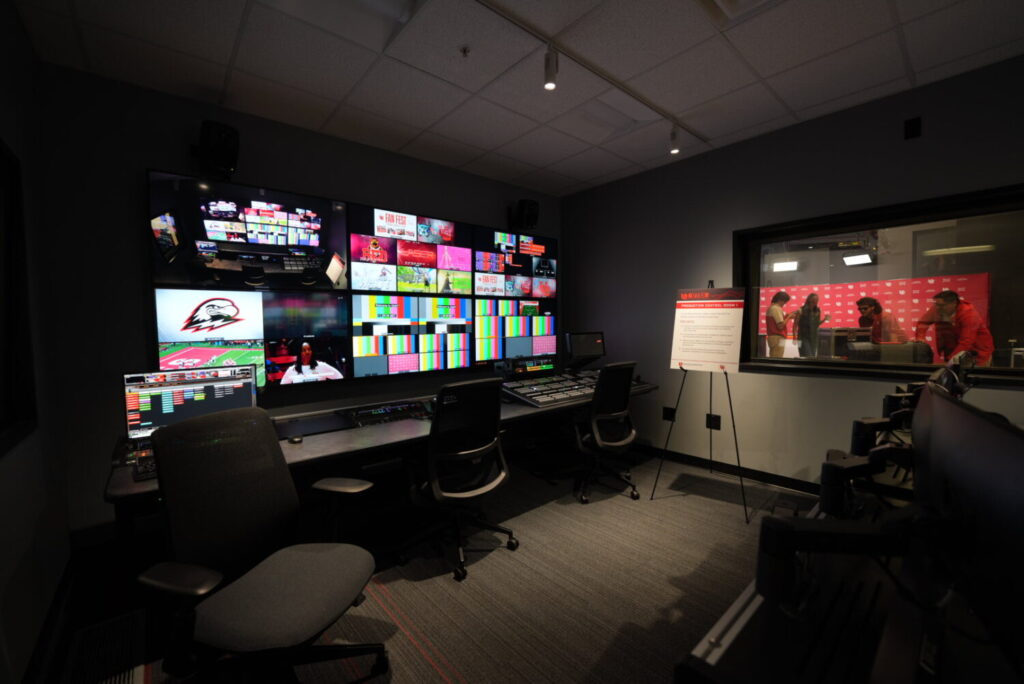
Utah's new production studios. Photo courtesy by Utah Athletics | Nicole Pena.

SALT LAKE CITY — Utah Athletics entered the Big 12 era knowing it would need to produce more of its own broadcasts. With the opening of its new on-campus media production studios, that requirement has evolved into a broader opportunity.
The new facility gives Utah greater control over how its teams and athletes are presented while expanding the department’s ability to produce live events, enhance the fan experience and create new opportunities in branding, revenue and student development.
“It’s just another step in our development in this conference,” Utah athletic director Mark Harlan said. “Producing our own broadcasts was daunting, to really try to figure it all out, but we got the right folks together.”
The project brought together several areas across the university, including Utah Athletics and the College of Humanities, as the department worked to build an operation capable of meeting the increased production demands that came with joining the Big 12.

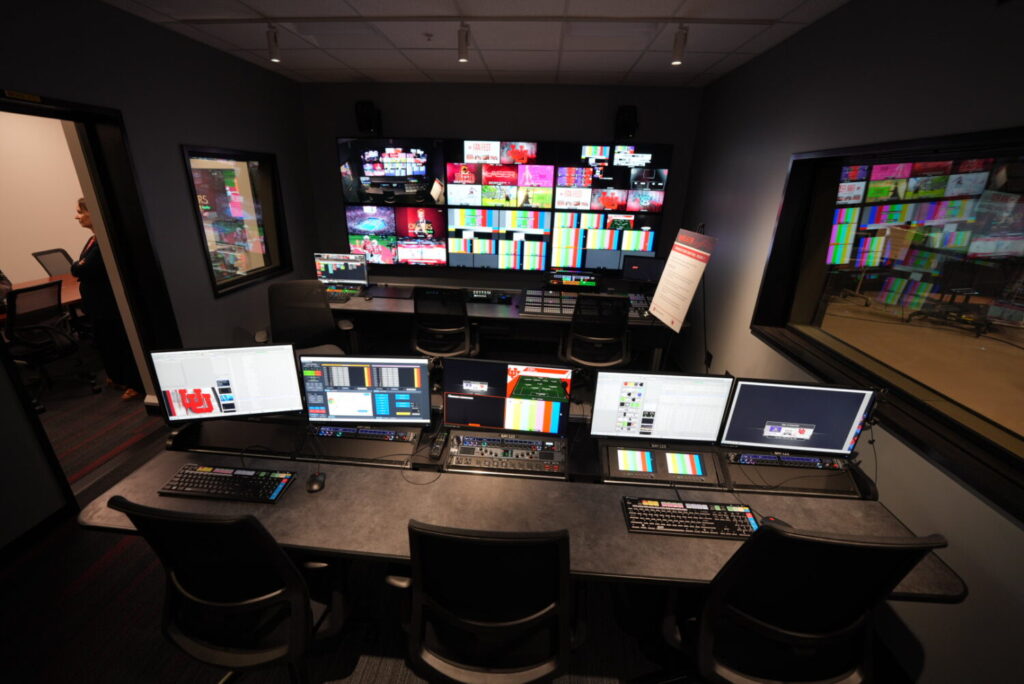
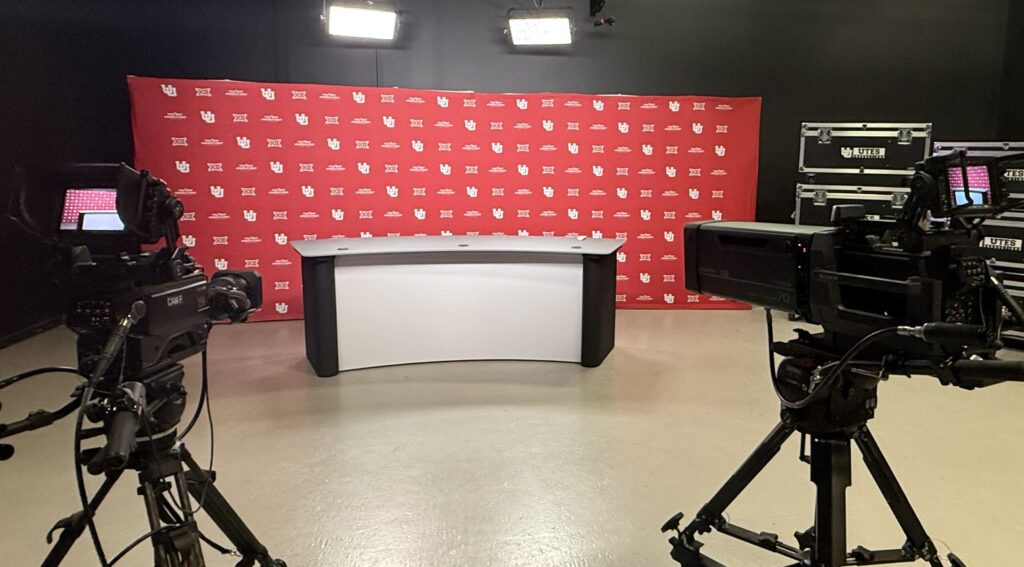
Harlan said the priority throughout the process was ensuring Utah did not simply meet those requirements, but produced something worthy of the athletes and programs being showcased.
“We also knew whatever we came up with needed to be high quality for our fans and our supporters that are going to watch all over the world, whatever sport it might be,” Harlan said.
That ambition has changed how Utah views the facility. Harlan said the department went from wondering whether it could keep pace with the production demands to believing it has constructed something that compares favorably with programs throughout the conference and country.
“We went from being concerned how we’re going to keep the deadlines to now being a leader in the space, not only in the conference, but in the country with what we’ve constructed,” Harlan said. “So, really exciting day for the department, but also for the university.”
Inside the new Utes Productions space
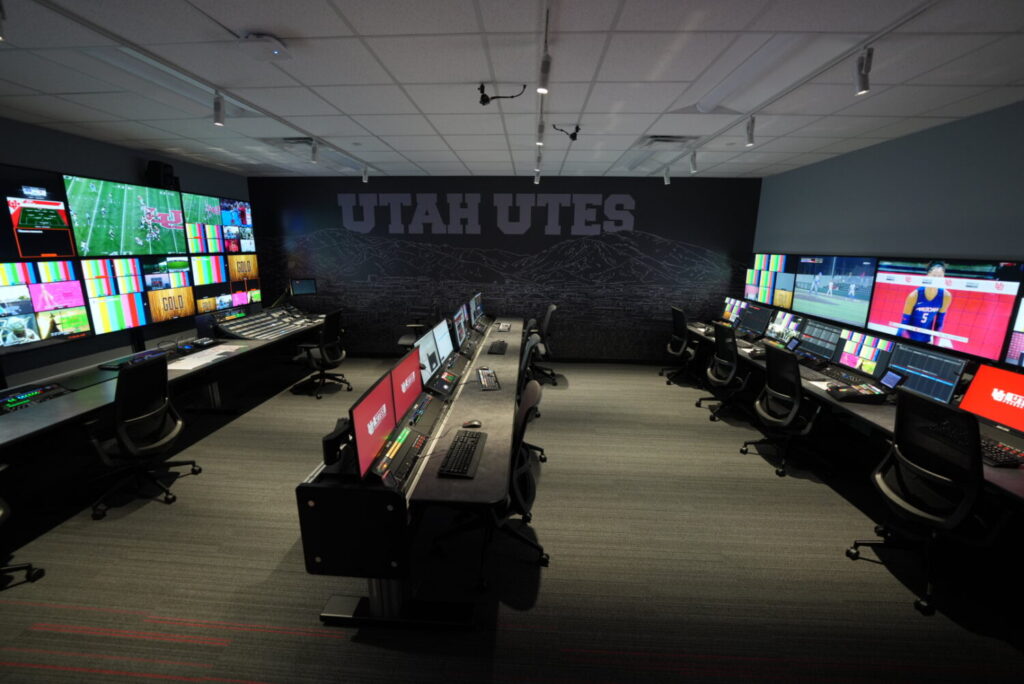
- Three production control rooms — Built to handle live events, multi-camera productions, studio shows, broadcasts and post-production work.
- Two audio control rooms — Dedicated spaces for audio mixing, monitoring and live-event production.
- Main studio — A flexible studio designed for live productions, interviews, filming and streaming.
- Isolation room — A professional space for podcast recording and other audio projects.
- Camera shading and robotics operations center — Includes high-performance workstations supporting video production and post-production.
- Engineering and central equipment rooms — Serve as the technical backbone of the facility, housing production gear and integrating the systems that connect the entire operation.
- Equipment checkout room — Allows students and staff to manage and access production equipment for projects throughout the year.
- More than 80,000 feet of cable — Roughly 15.2 miles of cabling runs through the facility.
- More than 500 fiber strands — The fiber-based backbone connects venues, studios and control rooms across campus through one integrated production network.
- Support for all 19 Utah sports — The facility is designed to support production and broadcasting across the entire athletic department.
- Built for students, too — Utah estimates the facility will serve about 1,000 students annually and support more than 100 interns and staff members each year with hands-on experience in broadcasting, studio production, podcasting and field production.
- An upgrade behind the video boards — Utah had already invested in massive displays at Rice-Eccles Stadium and the Huntsman Center. The new facility essentially upgrades the “computer” powering those “monitors,” giving the department modern control rooms, audio capabilities and production infrastructure to match the screens fans already see.
More than live broadcasts
Utah’s move into the Big 12 has already increased the visibility of many of its programs through ESPN+, particularly sports that previously did not have every competition available to fans.
The new studios are designed to take that production another step.
Harlan said Utah could eventually grow from producing approximately 50 broadcasts to 100 and potentially 200, while expanding into additional football and basketball programming.
That creates opportunities well beyond simply putting games on television.
“The brand enhancement, the control that you can have over how you want certain stories to be told,” Harlan said, describing some of the possibilities the department began recognizing during development of the studios.
Utah previously worked extensively with the Pac-12 Network to produce and distribute content surrounding its programs. Harlan praised that partnership, but the new setup gives Utah greater ability to control its production and storytelling internally.
“We would always work with the Pac-12 Network, and they were great. They were fantastic,” Harlan said. “But now to be able to do all of this here would be really important.”
Crimson Brand Partners will also have a role in the broader operation.
Harlan said athletic department employees will handle much of the actual game production, while Crimson Brand Partners can assist with additional programming and brand development, including potential coaching shows and other original content.
“Crimson Brand Partners will be a big part of the development of the brand,” Harlan said.
As the amount of content increases, Utah also anticipates the studios opening additional commercial possibilities.
Harlan stopped short of putting a specific revenue projection on the project, but acknowledged that expanding the department’s broadcast and content inventory should provide additional opportunities.
“As we expand these broadcasts from 50 to 100 to 200, and then we get into the space of doing football and more basketball games, we anticipate it could be really good for us going forward,” Harlan said.
Still, Harlan emphasized that revenue was secondary to establishing a high-quality operation.
“The thing that was most important was high quality,” he said. “High-quality production for the students that work so hard to compete, coaches, certainly for our fans.”
Got a look at Utah’s new production studio, there were like six other rooms, including a couple bigger production rooms.
My biggest takeaway: more replays, better replays.
(There were more meaningful things, like 100 paid student internships by 2027-28, but replays >) pic.twitter.com/Ksw456YXiK
— Steve Bartle (@BartleKSLsports) August 12, 2026
Greater exposure for every Utah program
The impact could be particularly significant for Utah’s Olympic sports.
Under the previous television model, some competitions simply went unseen if a network was unable to produce them. The Big 12’s relationship with ESPN+ has changed that expectation, with schools producing significantly more events themselves.
“If we couldn’t produce a game in the past for whatever reason, you just didn’t see them,” Harlan said. “Well, now we’re producing everything.”
The new facility should allow Utah to increase the quality of those broadcasts while giving programs such as soccer and volleyball a more consistent platform.
“So greater visibility, better brand for them,” Harlan said.
The production capabilities will also extend inside Utah’s venues.
Harlan said video-board production for Rice-Eccles Stadium and the Huntsman Center can now be handled from the new studios, providing the department with better technology, graphics capabilities and reliability.
The department is also evaluating opportunities to improve video capabilities at additional athletic venues.
A potential tool for athletes
Utah also sees the studios as another potential resource for student-athletes navigating the NIL era.
Harlan said the department has examined how similar facilities at other universities have been used by athletes and their representatives to produce content.
“We’re looking actually into all of that,” Harlan said.
Utah already possessed some production capabilities inside the Eccles Football Center, but Harlan described the new facility as operating on an entirely different level.
That could eventually allow athletes to use the space for their own branding and content opportunities.
“Any tool that’s legal that we can use to enhance the brands of our students, we will absolutely do,” Harlan said.
The facility could also become part of Utah’s recruiting pitch.
Harlan said prospective students and families have already shown interest in seeing the production operation during campus visits, including athletes who may eventually want careers in broadcasting or media.
“I imagine many of them will be interns going forward, just like any other student,” Harlan said. “And some will probably formulate careers.”
Athletics meets academics
That connection between athletics and academics became an important part of the project.
Harlan said conversations with university leadership ultimately connected the athletic department with the College of Humanities and communication programs.
The result will include internships, hands-on classes and curriculum built around the production studios.
“They’re developing the curriculum,” Harlan said. “There’ll be hands-on classes in here. It’ll be a nice blending of students and student-athletes all along the process.”
Utah studied other schools while developing its own operation, including Texas and Colorado.
Harlan pointed to his relationship with Texas athletic director Chris Del Conte as particularly helpful during the process.
“There’s really no good ideas anymore,” Harlan joked of the philosophy. “You just steal the ones that are really good, and you put them all together and how it works on your campus.”
Utah’s version now gives the department infrastructure that reaches from ESPN+ broadcasts to stadium video boards, original programming, NIL opportunities and university classrooms.
What started as a requirement of life in a new conference has become something more ambitious.
Utah now has the ability to produce more of its own content, showcase more of its athletes and, increasingly, control how its stories are told.
For Harlan, that may ultimately be the biggest opportunity the new studios provide.
The Bottom Line
Utah’s new production studios were born out of necessity, but their value could extend well beyond meeting the broadcast demands of the Big 12.
The facility gives Utah Athletics more control over how its programs are presented, more opportunities to showcase sports that previously received limited exposure and an infrastructure capable of supporting everything from live broadcasts and in-venue production to original content, NIL opportunities and future commercial growth.
For Harlan, the bigger picture is about turning Utah into a more capable storyteller of its own brand.
The Utes may have entered the Big 12 needing to produce more content. They now have the tools to decide what that content — and the next evolution of Utah Athletics’ media presence — looks like.