Utah Jazz Mailbag: Despite 1-13 record, are Jazz improving?
Nov 17, 2026, 1:19 PM | Updated: 1:22 pm

SALT LAKE CITY – Welcome to the Utah Jazz Mailbag! This week, we look at whether or not the team is improving, even with their current 1-13 record.
Each week, we will send out a prompt on X and BlueSky asking for the questions you have about the Jazz.
Then, we’ll respond to as many as we can in that week’s Jazz mailbag in the Jazz Notes podcast.
Jazz Mailbag: Is the team improving?
@BensHoops @utahjazz @CHoltSports @kslsports Do you feel like we are getting closer to winning basketball. In the short term it’s hard to lose but when we get our guys back in a couple months I think it’s better that we had ace and darryn get the reps that they wouldn’t have got with trip and Lauri healthy
— Aleks Atwood (@AtwoodAlek60606) November 16, 2026
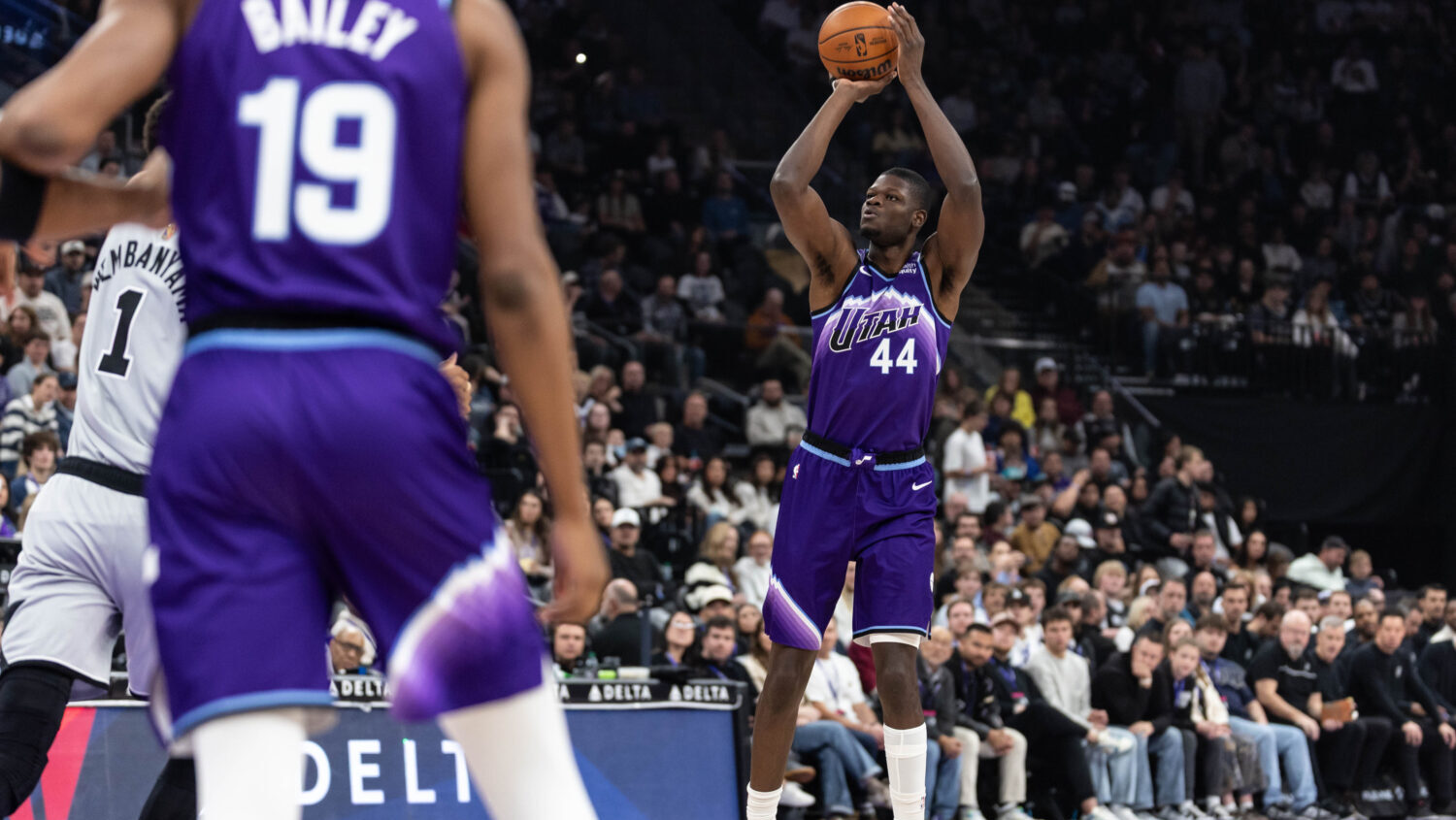
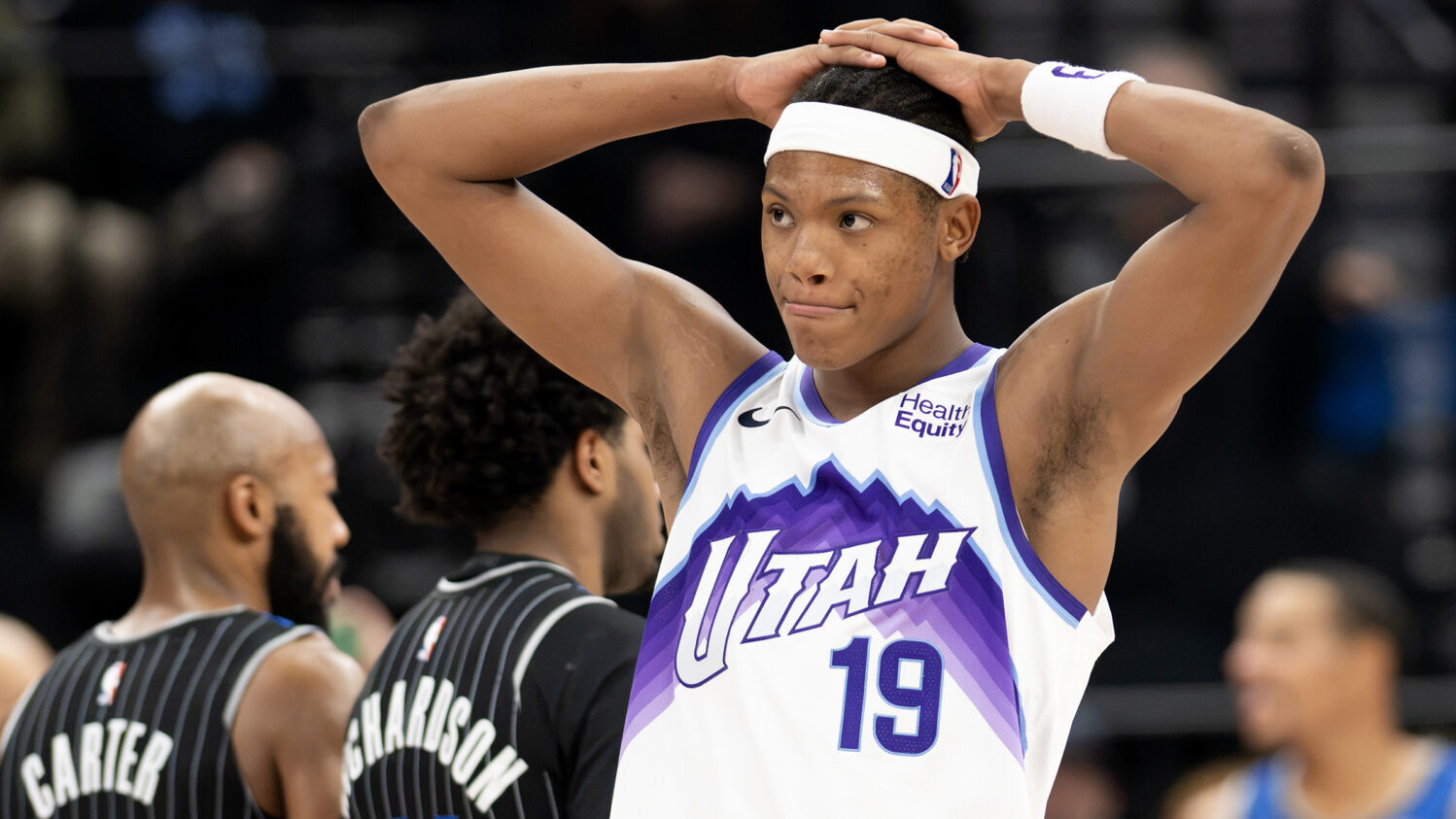
Question: Do you feel like we are getting closer to winning basketball? In the short term, it’s hard to lose, but when we get our guys back in a couple of months, I think it’s better that we had Ace Bailey and Darryn Peterson getting the reps that they wouldn’t have gotten with Jaren Jackson Jr. and Lauri Markkanen healthy.
Answer: Using some basic math, there are clear signs the Jazz are improving, even if that progress hasn’t translated into more wins.
Let’s split the season into two seven-game stretches: the opening seven games, when the Jazz went 1-6, and the most recent seven games, when they’ve gone 0-7.
At the most basic level, the Jazz suffered more blowout losses early in the season than they have over the last two weeks.
In their first seven games, the Jazz lost three games by 20 or more points. From a fan’s perspective, those losses feel significantly worse than a typical single-digit defeat.
Jazz Mailbag: Are the Jazz’s playoff hopes already dashed?
Over their last seven games, their largest loss has been 15 points. Though the 0-7 record may be worse, the games have been more competitive.
So what’s changed?
First, the Jazz are scoring more efficiently, and the offense has taken a step forward as a result.
The Jazz averaged 107.0 points per game in their first seven contests and 107.1 points over their last seven. If the scoring average is nearly identical, why does the offense look better?
The biggest changes have come in pace and shooting efficiency.
The NBA’s average effective field-goal percentage is 53.5. During the Jazz’s first seven games, they had an effective field-goal rate of 49.5.
Over their last seven games, that number has climbed to 52.1 percent, still below league average, but a meaningful improvement.
| Stat | First 7 Games | Last 7 Games |
|---|---|---|
| Effective FG% | 49.5% | 52.1% |
| Points Per Game | 107.0 | 107.1 |
| Possessions Per Game | 101.0 | 99.0 |
The Jazz are also producing more offense over fewer possessions.
To open the season, the Jazz averaged more than 101 possessions per game. Over the last two weeks, that figure has dropped to just over 99 possessions per game.
In other words, the Jazz are generating the same amount of points with fewer opportunities, marking a clear increase in efficiency.
Let’s go one step deeper into the advanced numbers, hopefully without boring you.
Over their last seven games, the Jazz’s offensive rating has improved by 2.2 points per 100 possessions. That’s real progress, and it has made the team much more watchable.
Simply put, when the ball goes in, the game looks better. When it doesn’t, everything feels a lot uglier.
Some of those offensive gains, however, have been offset by a decline on the defensive end. That shouldn’t come as a surprise considering almost every tall player on the roster is hurt.
Over the last two weeks, the Jazz’s defensive rating has increased from 115.7 points allowed per 100 possessions to 116.6.
As a result, the Jazz’s net rating (offensive rating minus defensive rating) has improved from -11.7 to -10.4. That’s an improvement of roughly 1.3 points per 100 possessions, which would translate to about three additional wins over the course of a season.
That’s legitimate on-court improvement, even if the win-loss record doesn’t reflect it.
| Metric | First 7 Games | Last 7 Games |
|---|---|---|
| Offensive Rating | 104.0 | 106.2 |
| Defensive Rating | 115.7 | 116.6 |
| Net Rating | -11.7 | -10.4 |
But there’s a catch: the Jazz have declined in other areas.
Likely due to injuries, particularly in the frontcourt, the team’s rebounding has fallen off a cliff.
During the first seven games, the Jazz routinely won the rebounding battle, averaging 46.3 rebounds per game compared to 45.3 for their opponents.
Over the last seven games, they’ve lost the rebounding battle by a 46.9-to-42.1 margin. That’s a swing from +1.0 rebounds per game to -4.8, a net change of 5.8 rebounds. That’s massive.
Meanwhile, their turnover rate has remained essentially unchanged, meaning the Jazz are consistently losing the possession battle.
No matter how much better they shoot, they won’t win many games if they continue to give opponents that many extra possessions.
The right player is improving
With the bad news out of the way, there’s one major reason many Jazz fans feel more optimistic today than they did at the start of the season.
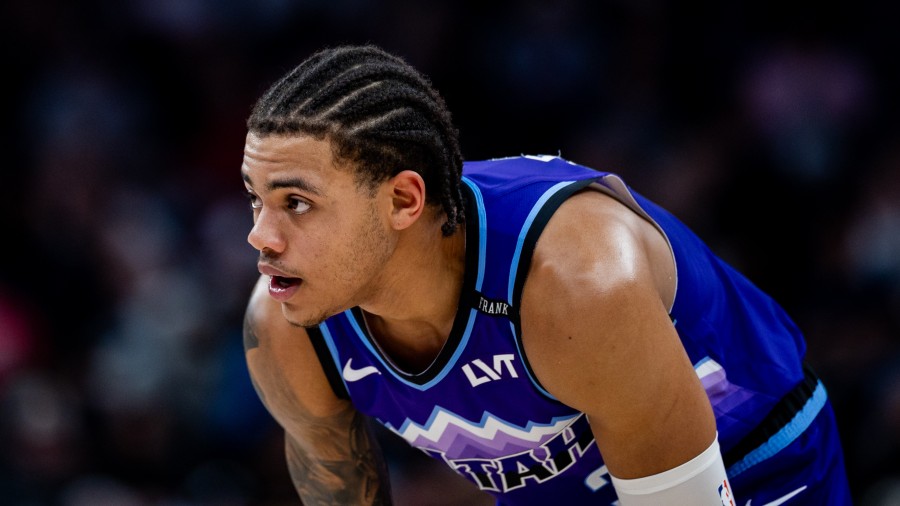
Darryn Peterson is becoming a star.
The No. 2 overall pick has increased his scoring average from 13.4 points per game to 20.9. while is field-goal percentage has jumped from 36.3 percent to 43.7 percent.
Though his 3-point percentage has fallen from 37.4 percent to 34.5 percent, he’s taking 8.3 attempts per game compared to 4.6 earlier in the season, marking a sharp improvement in his shot diet.
| Stat | First 7 Games | Last 7 Games |
|---|---|---|
| Points | 13.4 | 20.9 |
| Assists | 3.1 | 4.4 |
| FG% | 36.3% | 43.7% |
| 3PA | 4.6 | 8.3 |
Peterson hasn’t been perfect, with his turnovers climbing from 1.1 per game to 2.4, but his assists have also increased from 3.1 to 4.4, and he’s taken on significantly more responsibility on-ball with Keyonte George in and out of the lineup due to injury.
The guard is becoming the offensive engine the Jazz hoped they were drafting, and after a slow start to the season, his growth in that role has been very impressive.
That means Peterson’s development has given fans reason to believe in the future, even if the team’s record over the last seven games has gotten worse.
Overall, the Jazz are improving, as evidenced by their better net rating.
More importantly, Peterson is improving.
Considering his development may be the single most important long-term measurement for the Jazz organization, his rapid growth has provided a welcome pressure release valve during an otherwise miserable start to the year.
Want to ask a question in next week’s Jazz mailbag? Follow KSL Sports on social media.
Are you on Instagram? Let’s connect; give us a follow @kslsports.
Ben Anderson is the Utah Jazz insider for KSL Sports and the co-host of Jake and Ben from 2-6pm with Jake Scott on 97.5 The KSL Sports Zone, and the author of the Jazz Mailbag. Find Ben on Twitter at @BensHoops, on Instagram @BensHoops, or on BlueSky.