Five takeaways from Morgan Scalley’s Arizona week press conference
Nov 9, 2026, 1:53 PM
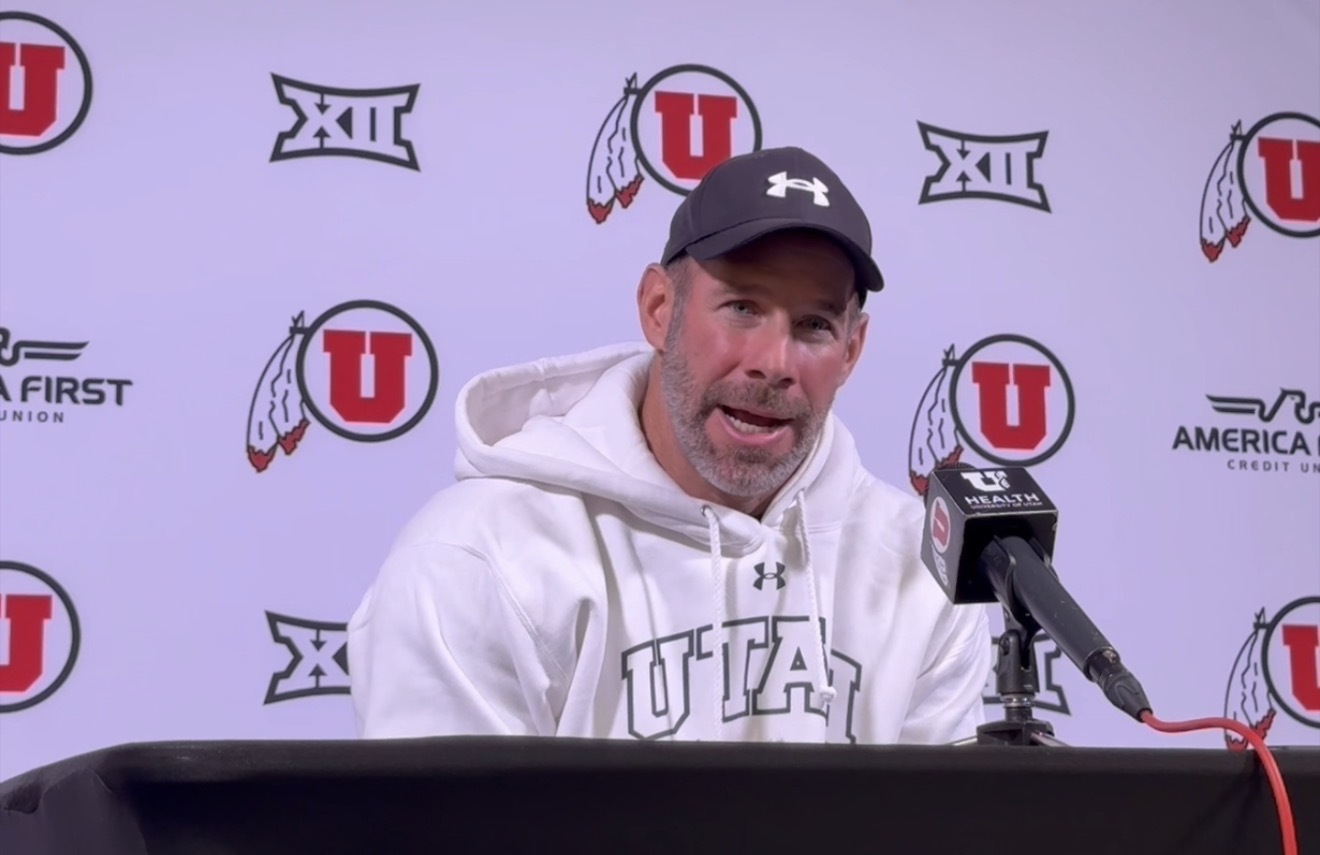
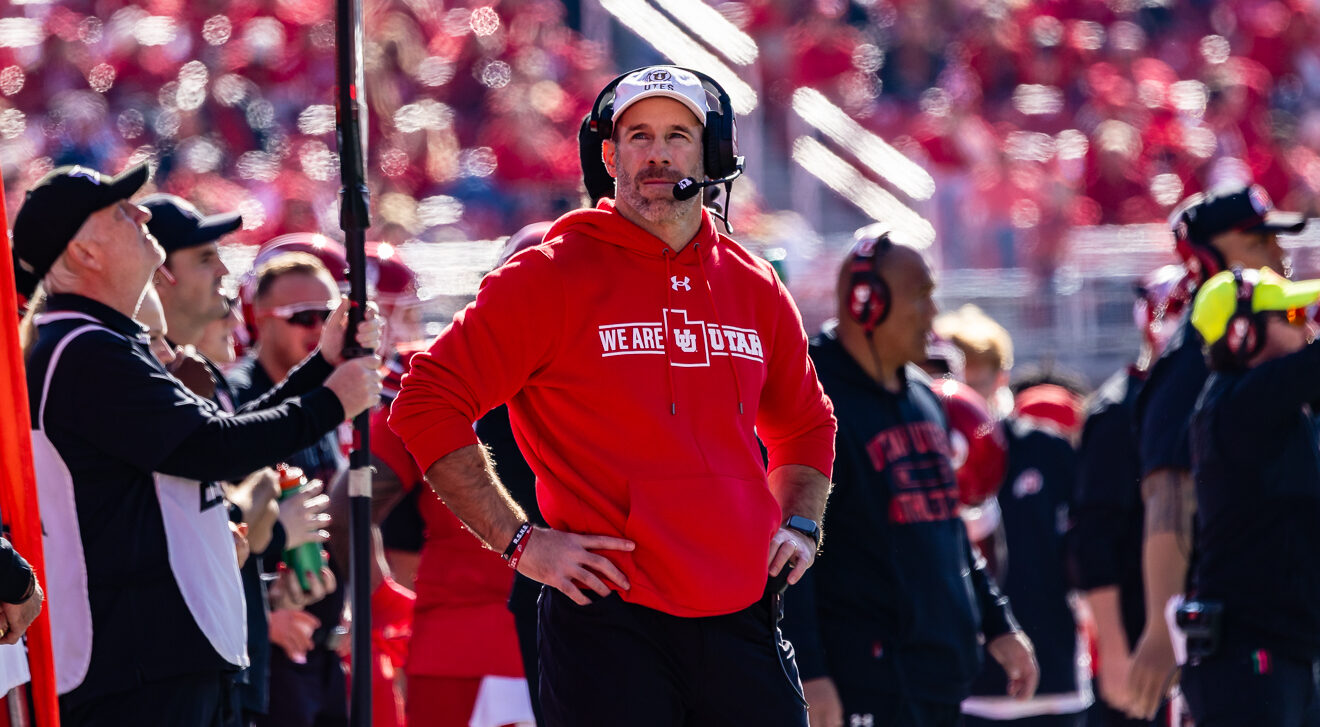
Morgan Scalley's Arizona week press conference for Utah football. Photo by Morgan Scalley.

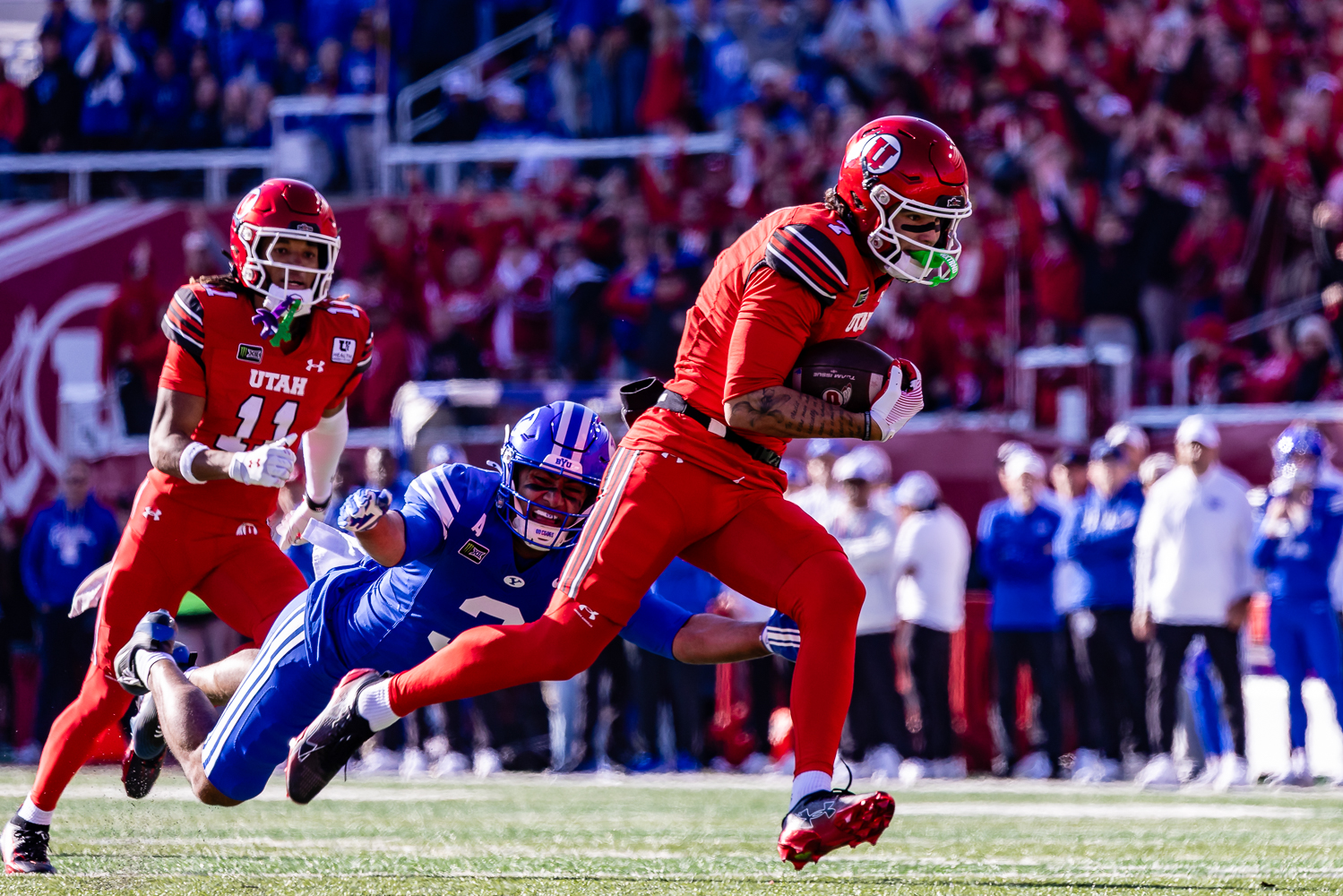
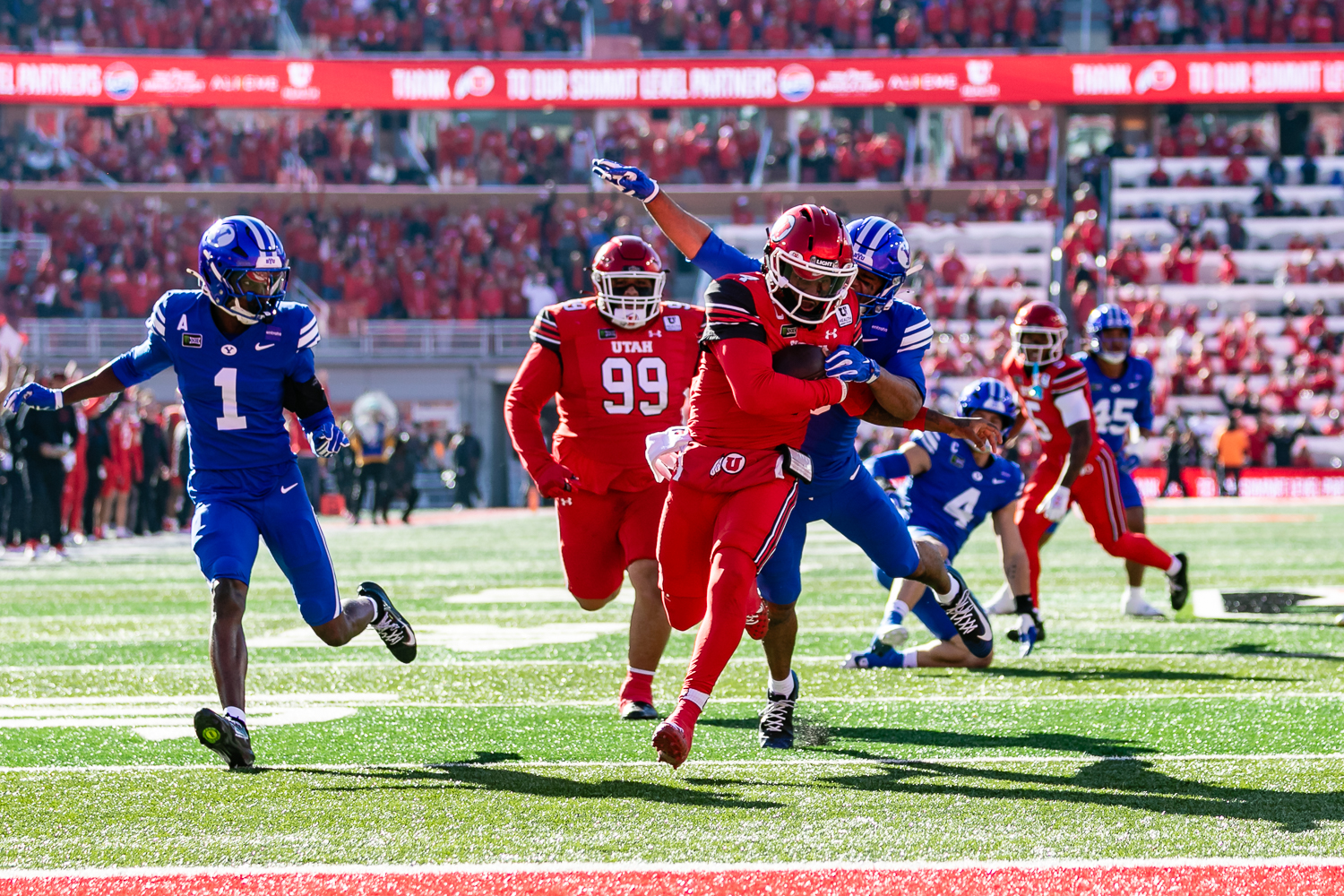
SALT LAKE CITY — Utah’s rivalry win gave Morgan Scalley plenty to appreciate, but Monday made it clear that the film gave him and his team plenty to correct.
Two days after beating BYU 28-20, Utah’s head coach outlined a list of improvements needed that included special teams execution, getting the defense lined up and finding more carries for the running backs.
He also delivered some encouraging news about Wayshawn Parker, saying the running back’s heel injury should not be an issue against Arizona.
The Utes enter the week unbeaten, with a trip to Tucson presenting another significant test. Scalley described a 7-2 Arizona team with a disruptive defense and a quarterback who has already given Utah problems.
Here are five takeaways from Monday’s press conference.
Wayshawn Parker expected to be fine, but Scalley wants more from its running backs
Parker’s heel injury occurred early against BYU, according to Scalley, who praised the running back’s toughness in playing through it.
“He’s gonna be fine for the next game,” Scalley said. “That’s not gonna be an issue.”
That is encouraging for an offense that needs its running backs more involved regardless of Parker’s health. Scalley acknowledged Utah did not give the position enough carries against BYU and returned to that point when asked about Devon Dampier’s rushing workload.
“We need to be able to give more carries to the running backs,” he said. “And we’ve talked about that as an offense. And that’s a point of emphasis going forward.”
Sources: No. 3 Utah got good news on star tailback Wayshawn Parker, who was limited on Saturday due to an issue with his heel. He’s dealing with a bruise, and is expected to play on Saturday at No. 22 Arizona. He was limited against BYU after appearing to injure himself on the opening drive, as he carried the ball only twice in the first half.
— Pete Thamel (@PeteThamel) November 8, 2026
Dampier’s running ability remains an essential part of Utah’s offense. The question is how effectively the Utes can distribute the work around him while keeping him available for the moments when his legs make the greatest difference.
Scalley believes Dampier has improved at avoiding unnecessary contact, though the reminder remains straightforward: slide, dive or get out of bounds when the situation allows.
The distribution of opportunities also applies to Byrd Ficklin. Scalley emphasized that the freshman remains valuable, but his involvement will fluctuate with the game plan and the needs of the other players.
“Everyone in this offense has to sacrifice something to be great as a team,” Scalley said. “And Byrd understands that.”
More running back carries are an identified priority. How Utah incorporates them while maintaining its quarterback run threats is the next step.
Special teams has become an urgent correction
Scalley’s sharpest assessment concerned special teams, which he identified as the area needing the most improvement.
The problems against BYU were varied: a missed field goal stemming from the snap-hold exchange, an offside penalty on a kickoff and a late punt that nearly was blocked.
“Not clean enough on special teams at all,” Scalley said.
Those mistakes affect games in different ways, but the cumulative concern is straightforward. Utah left points available, surrendered yardage and nearly suffered a much more damaging breakdown with the outcome still unsettled.
Scalley did identify positives in punt coverage, kickoff execution and the return game’s ability to save hidden yardage. Those contributions matter, but they do not erase the operational problems.
Asked how Utah fixes the field goal exchange, Scalley pointed to practice and technique.
“We’re very capable and we just need to be more consistent,” he said.
The Utes have reached a stage of the season when those details can carry significant consequences. Routine special teams execution needs to become something Utah can depend on.
The interceptions were excellent; the defensive execution still needs work
Utah’s four interceptions were central to beating BYU. Scalley’s review also explained why the takeaways should not obscure the mistakes around them.
The clearest example was Trey Reynolds’ interception near the goal line.
Utah crowded the box while wanting defenders’ to use ‘zone eyes’ to read the quarterback and react to a run-pass option. The defense bit on the run action, however, and the coverage did not develop as intended.
Scalley said the safety needed to get his eyes toward the RPO, while the corner over Kyler Kasper needed to squeeze the receiver’s route a little more before releasing it.
RIDICULOUS play by Trey Reynolds!
That was a wide open TD https://t.co/MLrly4Vkj3
— Coach Dan Casey (@CoachDanCasey) November 7, 2026
Fortunately for Utah, Reynolds’ recognition and leaping interception rescued the play. Reynolds earned a career-best PFF grade of 90.4, and was just an all-around super solid performance.
“He doesn’t jump, it’s a touchdown,” Scalley said.
It was an exceptional individual response to a dangerous situation. It also offered a useful coaching point: Utah cannot count on a spectacular interception to resolve every coverage mistake.
Scalley acknowledged another issue in the first half, when the defense had trouble getting set before the snap.
“It’s just a matter of getting the call out sooner,” he said.
He credited cleaner communication and execution after halftime. Against Arizona, getting those details right from the opening possession will be especially important.
Arizona presents problems on both sides of the ball
Scalley’s assessment of Arizona began with respect for quarterback Noah Fifita.
“Noah Fifita’s had our number for the last two times that we’ve played him,” he said.
Scalley praised Fifita’s intelligence, competitiveness and ability to threaten defenses through the air and on the ground, comparing those qualities to Dampier’s.
The challenge extends beyond the quarterback. According to the rankings Scalley cited Monday, Arizona is 19th nationally in total offense and sixth in passing offense. Defensively, the Wildcats rank 27th in scoring defense, 10th in sacks and 13th in tackles for loss.
Related Utah football content
- Morgan Scalley is building belief in what Utah football can become KSL Sports
- Five Takeaways: Morgan Scalley’s culture delivers as Utah beats BYU, reaches 9-0 KSL Sports
- Social media reacts to Utah football’s rivalry win over BYU KSL Sports
- Five takeaways from Morgan Scalley’s Holy War week press conference KSL Sports
- Before Holy War week begins, appreciate what Morgan Scalley is building at Utah KSL Sports
Those defensive numbers point directly toward an important responsibility for Utah’s offensive line.
Scalley described a defense that uses stunts and pressure to disrupt offenses and is willing to play zero coverage — man coverage without a deep safety — to bring additional pressure.
“Really got to be good on the offensive line and in our protection,” he said.
Utah will need to recognize where pressure is coming from, communicate its assignments and give Dampier opportunities to punish the aggression. Protection breakdowns could turn otherwise manageable possessions into difficult situations quickly.
“This is going to be a huge battle in Tucson,” Scalley said.
Handling success starts with maintaining the standard
Scalley’s response to questions about a potential letdown centered on consistency.
“You have big games because of the way you behave leading up to it,” he said.
His point was that Utah earned the significance surrounding the BYU matchup by preparing well enough to remain unbeaten. That preparation cannot become less demanding once the rivalry celebration ends.
The responsibility starts with the coaches, whose approach must demonstrate that every opponent deserves their full attention.
Scalley also offered a reminder about the temporary nature of outside approval.
“Pat on the back’s not too far from a kick in the butt,” he said.
His longer explanation of culture provided the foundation for that approach. Players need to experience improvement, understand the value of their contributions and see the same standards applied throughout the roster.
“It’s what you practice, it’s what you promote, and then it’s what you permit,” Scalley said.
That means recognizing the behaviors that produce winning while correcting those that undermine it, regardless of a player’s standing.
Utah has earned the opportunity to play for something significant down the stretch. Monday’s message was that protecting that opportunity requires honest evaluation of the mistakes that remain.
“It’s not just words on walls,” Scalley said. “It’s an everyday deal.”