Takeaways from Utah’s 66-14 win over Idaho: Dampier delivers, depth shines in Scalley’s home debut
Sep 3, 2026, 10:57 PM | Updated: Sep 4, 2026, 2:00 am
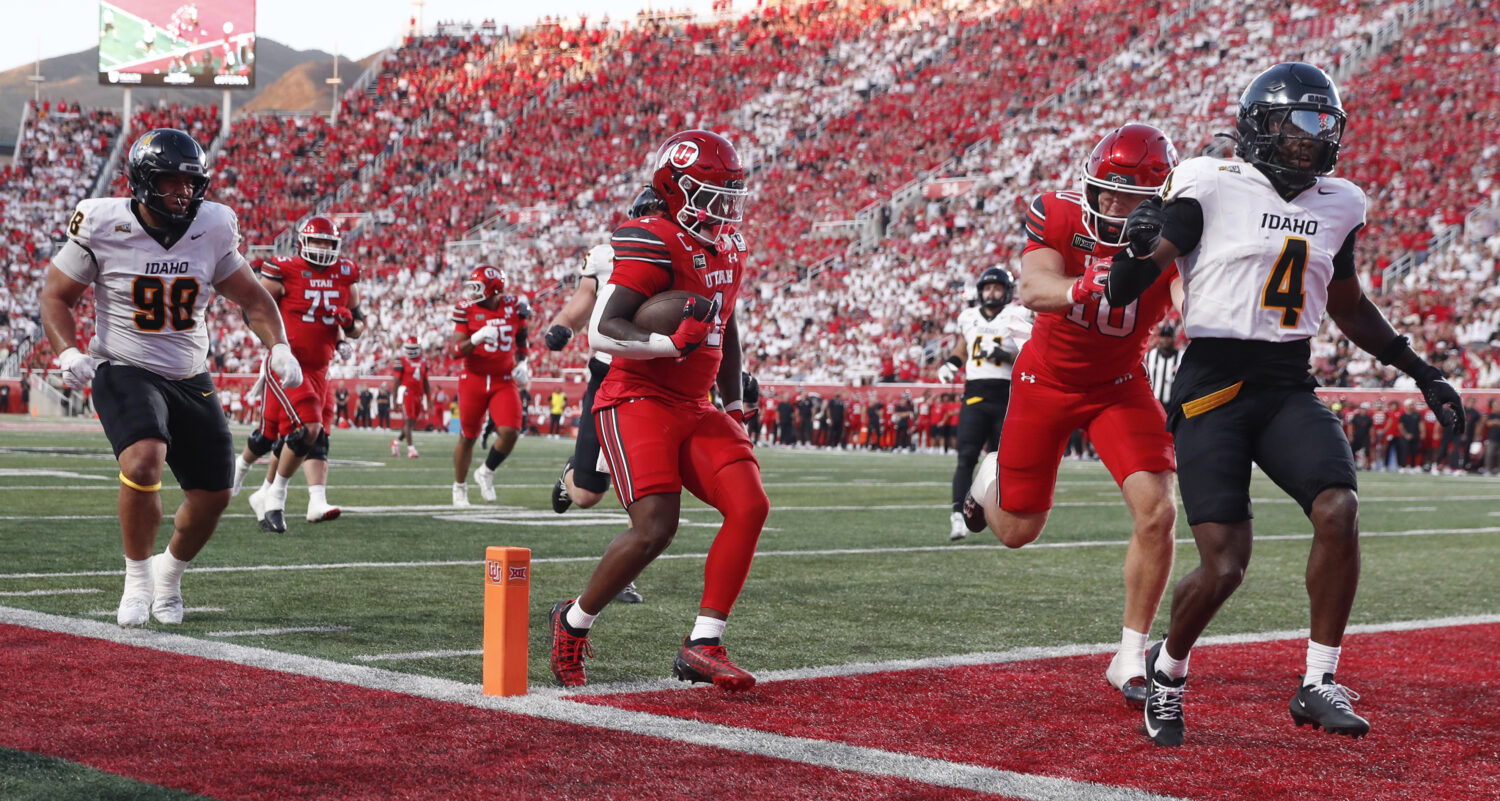
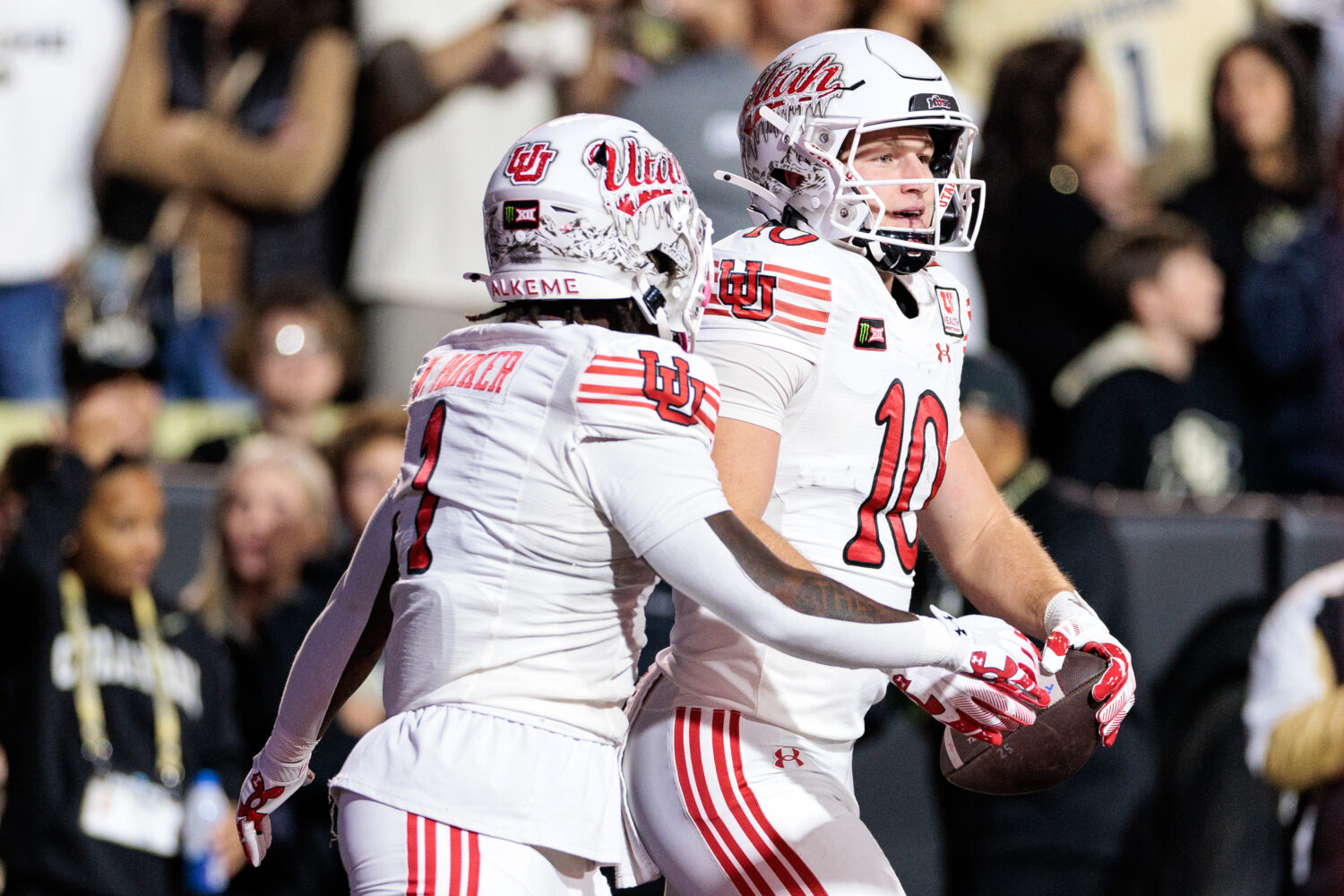
SALT LAKE CITY, UTAH - SEPTEMBER 3: Wayshawn Parker #1 of the Utah Utes scores a touchdown against Hikifo'Ou Maile #98 and Khaled Rawls #4 of the Idaho Vandals during the first half at Rice-Eccles Stadium on September 3, 2026 in Salt Lake City, Utah. (Photo by Chris Gardner/ Getty Images)
(Photo by Chris Gardner/ Getty Images)

SALT LAKE CITY — It did not take long for Morgan Scalley’s Utah squad to make an impression in front of the Rice-Eccles crowd tonight.
After a flurry of action in the first five minutes of the game, the Utes had two takeaways and 10 points on the board. That start set the tone for the rest of the game, but not without a few uncomfortable sequences.
In the end, the Utes exited Rice-Eccles Stadium with a 66-14 win over the Idaho Vandals. There were a handful of standout performances tonight, many of which came from the backups in the second half.
Devon Dampier gave Utah the efficient quarterback performance it needed
Dampier operated the offense as expected tonight. He was clean in his decision making and avoided the negative plays throughout the night. He attacked vertically early and often, while sprinkling in some great throws to the short and intermediate areas of the field.
Operating from the within the pocket, Dampier was fairly quick with throws more often than not. He did a good job of distributing opportunities to his top three targets Braden Pegan, Ricky Johnson, and Creed Whittemore, while also getting Wayshawn Parker involved as well.
#GoUtes | #RSNB | 📺 ESPNU pic.twitter.com/ozP0aR7eZ1
— Utah Football (@Utah_Football) September 4, 2026
After playing the first half and the first possession of the second, Dampier exited the game with the following numbers:
- 13-of-18 passing for 176 yards
- Three touchdowns, no interceptions
- 9.8 yards per attempt
- No sacks
- Completed passes to six different players
- Added 31 rushing yards on six attempts
- Utah scored on six of Dampier’s seven possessions, excluding the end-of-half situation
Dampier’s night ended after a touchdown score on Utah’s opening possession in the second half. Giving way to his pupil, Byrd Ficklin, who did not take long to provide the moments that thrilled Utah fans last season.
Utah’s offense produced real balance—not cosmetic balance
It wasn’t just an aerial attack, the offense overwhelmed Idaho on the ground as well. By the end of the game, Utah had totaled:
Updated team numbers:
- 633 total yards on 75 plays
- 8.4 yards per play
- 364 rushing yards
- 269 passing yards
- 33 first downs
- 17 rushing first downs and 15 passing first downs
- 7.0 yards per rushing attempt
- 10.3 yards per passing attempt
- Five passing touchdowns and three rushing touchdowns
- Utah punted only once
- 48 plays in Idaho territory
- 7-of-11 on third down
Utah has averaged 7.4 yards per rush and 10.2 yards per pass attempt. The offense did not lean disproportionately on either phase, and Idaho has not found an obvious way to make Utah uncomfortable.
Utah totaled six big plays through the air that generated 160 yards. On the ground, Utah finished with 12 big rushing plays that led to 224 yards.
The balance didn’t mean the production came easy, particularly on the ground. Still, one especially telling detail: Utah produced touchdown drives of 68, 75, 46, 75 and 44 yards. The offense benefited from two early turnovers, but it did not depend on short fields.
The offensive line looked solid for the most part tonight. Not overwhelmingly dominant but solid for a first outing together.
Wayshawn Parker, Braden Pegan looked like the offensive centerpieces
The Pink Cleat Assassin looked noticeably different tonight. The way he moved, the athleticism he played with, it looked considerably different. Parker talked all offseason about wanting to achieve his goals of eclipsing the 1,000 yard mark, even raising his goal to 1,200, and with how he ran tonight it seems doable.
- 12 carries for 71 yards and a touchdown
- 5.9 yards per carry
- Three receptions for 23 yards and two touchdowns
- 94 total yards
- Three touchdowns on 15 offensive touches
- 22 of his 23 receiving yards came after the catch
Utah’s prized addition in the transfer portal looked the part tonight. Pegan was exactly as he was billed all offseason. An outside vertical threat, capable of making catches in contested situations time and time again:
- Four receptions for 81 yards and a touchdown
- 20.3 yards per reception
- Five targets
- One carry for a 12-yard touchdown
- 93 total yards and two touchdowns
Parker’s passing-game usage is especially meaningful. Pegan, meanwhile, has produced both the volume and explosive element expected from Utah’s WR1.
#GoUtes | #RSNB | 📺 ESPNU pic.twitter.com/rPYlUIO9Wq
— Utah Football (@Utah_Football) September 4, 2026
The defensive result was dominant, but the defensive line deserves scrutiny
The overall defensive numbers are impressive, but there is plenty to clean up. If there’s one thing we learned tonight, it’s that Colton Swan knows where the blitzes are on the play sheet. Time and time again, Swan dialed up some interesting pressures and rushes.
- Idaho finished with 225 total yards
- 3.7 yards per play
- 119 passing yards
- 11-of-30 passing
- No passing touchdowns
- One interception
- 3-of-13 on third down
- Seven punts
- Five forced three-and-outs
- Idaho was shut out in the first and fourth quarters
The rushing totals require context. Idaho officially finished with 83 yards on 29 attempts, an average of 2.9 yards per carry. However, the total includes 20 yards lost. Idaho gained 103 positive rushing yards, and its two primary runners were productive:
- Joshua Wood: nine carries, 41 yards and a touchdown
- Hayden Kincheloe: seven carries, 37 yards and a touchdown
- Wood and Kincheloe combined: 16 carries, 78 yards and two touchdowns
- Combined average: 4.9 yards per carry
Both Idaho touchdowns completed 75-yard drives. The first covered 13 plays and consumed 6:27; the second covered seven plays in 3:24. Idaho’s offense was ineffective for most of the game, but when it sustained possessions, it did so by finding room on the ground.
Utah finished with only one sack and four tackles for loss. That is relatively modest disruption against an FCS offensive line. The defensive front did not consistently reset the line of scrimmage or contain Wood as a runner.
The passing numbers also flatter the secondary slightly. Idaho completed only 36.7% of its passes, but the Vandals narrowly missed multiple potential explosives and connected on a 44-yard reception. Better quarterbacks and receivers could turn those close calls into significant problems.
The greatest tradition in college football is here✌️✌️#GoUtes | #RSNB pic.twitter.com/TsUV9KPn9n
— Utah Football (@Utah_Football) September 4, 2026
Second-half performances worth highlighting
- LaMarcus Bell: Seven carries for 89 yards and a touchdown after halftime, averaging 12.7 yards per carry. His fourth-quarter runs included gains of 20, 25 and 34 yards, with the 34-yarder producing Utah’s final touchdown.
- Byrd Ficklin: Completed 4-of-8 passes for 93 yards and two touchdowns while adding 58 rushing yards on six second-half carries. His 32-yard keeper was Utah’s longest quarterback run. He also made a few truly impressive throws, including a 23-yard completion to Mana Carvalho.
- Noah Bennee: His only target became a 35-yard touchdown reception from Ficklin. It was Utah’s longest completion of the game and an encouraging glimpse of Bennee’s vertical receiving ability.
- Larry Simmons: Caught both of his targets for 41 yards, producing gains of 15 and 26 yards. Both receptions came after halftime and moved the chains.
- Steve Chavez-Soto: Carried six times for 35 yards and a touchdown in the second half. His 15-yard run was one of Utah’s 12 rushing plays of at least 10 yards.
- Hunter Andrews: Caught Ficklin’s 9-yard touchdown pass to begin the fourth quarter, giving Utah’s tight ends two receiving touchdowns in the second half.
- Mateaki Helu: Added 25 yards on three fourth-quarter carries, including a 14-yard run. He averaged 8.3 yards per attempt.
- Mana Carvalho: Turned his only second-half reception into a 23-yard gain, giving Utah another explosive contribution from a young receiver.
- Defensive reserves: Manny Fuller recorded 2.5 fourth-quarter tackles, while Nate Tilmon added 2.5 and Brock Fonoimoana recorded 1.5. Nate Ritchie, Cyrus Polu and Karson Kaufusi each registered a third-quarter tackle for loss.
The Bottom line
Utah accomplished what it needed to accomplish in Morgan Scalley’s Rice-Eccles Stadium debut. The Utes created turnovers, played clean and efficient offense, and built a large enough lead to give their young players meaningful second-half opportunities.
Dampier looked comfortable running Kevin McGiven’s offense, while Parker and Pegan established themselves as the playmakers Utah expects to build around. Ficklin and the reserves then turned a comfortable victory into a 66-14 rout.
It was not a flawless performance. Utah’s defensive front did not consistently control the line of scrimmage, and Idaho came uncomfortably close to producing several explosive passes. Those issues will require attention before the competition improves.
But for an opening night featuring a new head coach, new coordinators and significant turnover throughout the roster, Utah provided far more reasons for optimism than concern.