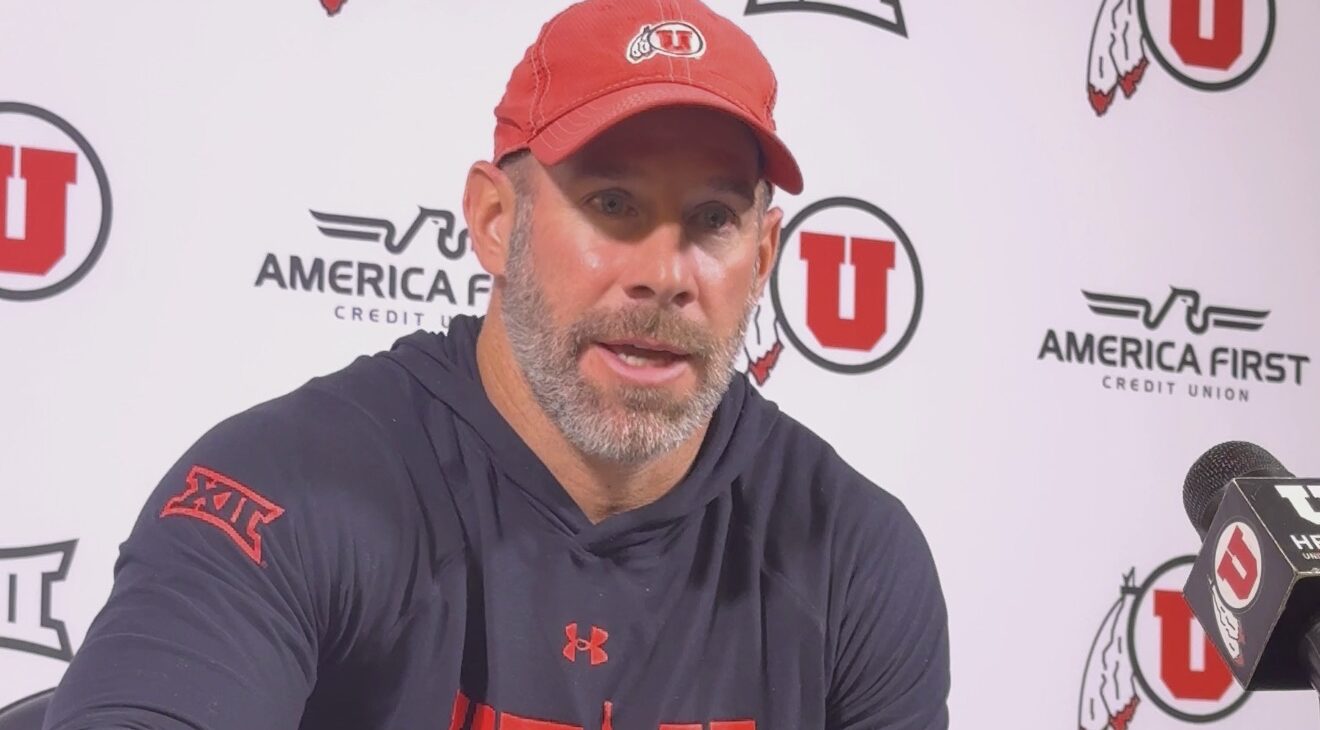
Utah red-zone expectations: What Morgan Scalley needs from the Utes
Aug 19, 2026, 8:00 AM
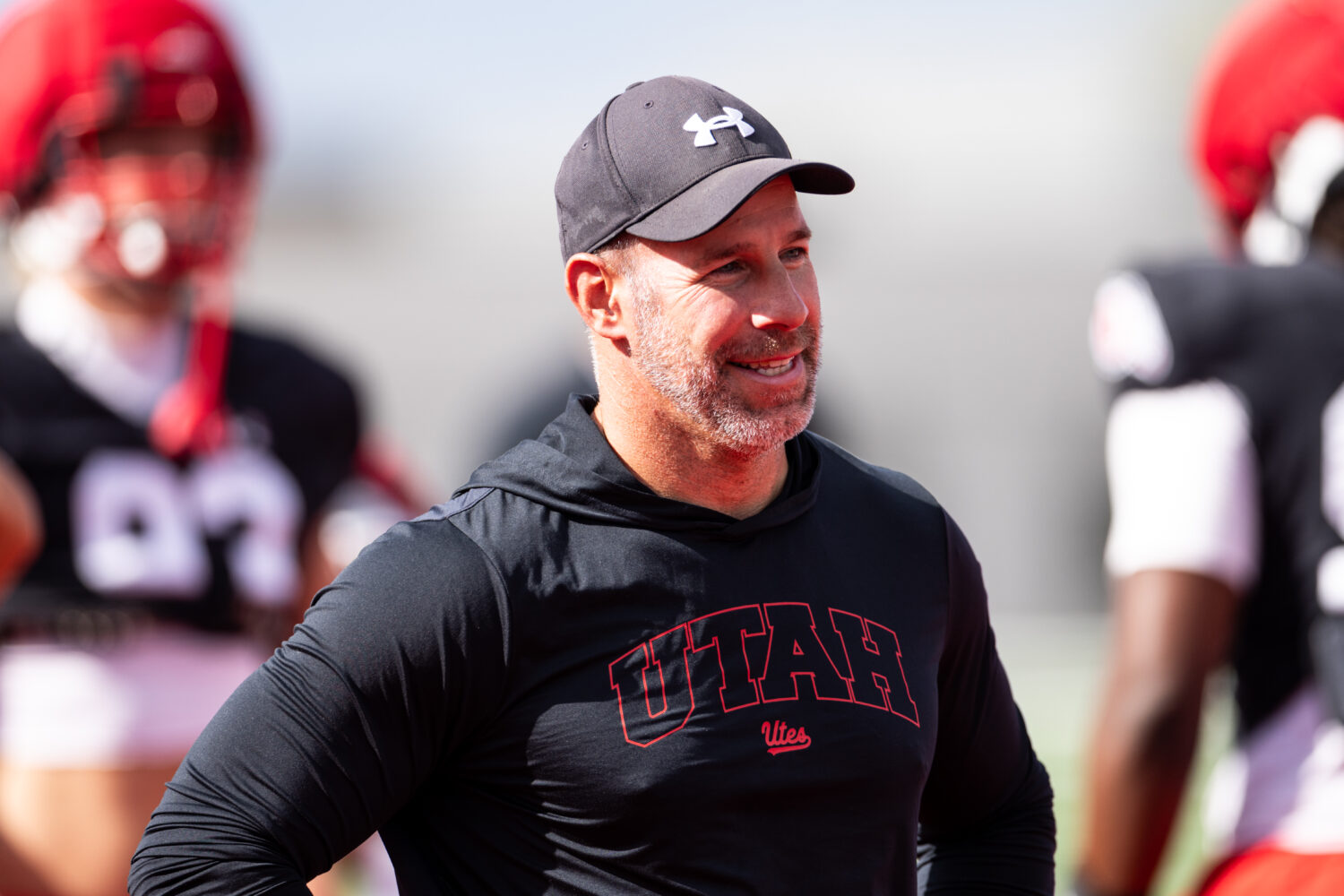
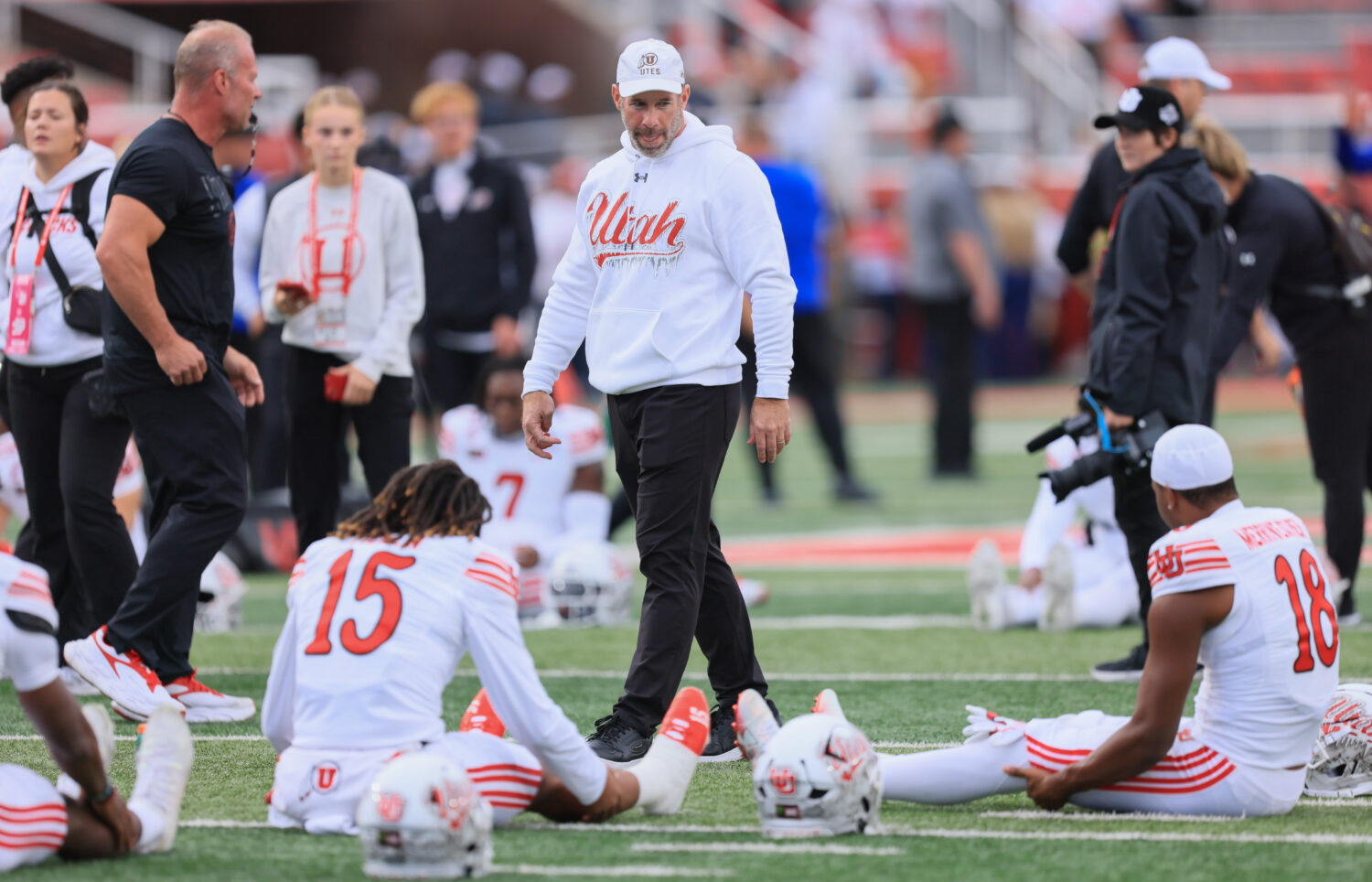
Morgan Scalley at Utah practice. Photo courtesy by Utah Athletics.

SALT LAKE CITY — Morgan Scalley did not need an elaborate explanation for the part of Utah’s first major fall-camp scrimmage that bothered him most.
“Red-zone work, kind of a mixed bag,” Scalley said Monday. “We need to be more efficient. Not enough touchdowns in the red zone. Too many field goals.”
The last sentence carries an important distinction. Scalley also praised Utah’s kicking game and the work of Dillon Curtis and Tanner Cragun.
So, the concern was not that the Utes came away empty. It was that an offense inheriting an extraordinary red-zone standard too often settled for three points.
View this post on Instagram
How much regression is acceptable?
Utah scored touchdowns on 47 of its 59 red-zone possessions last season. Its 79.7% touchdown rate led the nation. So, to start, Utah probably isn’t going to do that again.
The Utes scored on 54 possessions overall, a 91.5% rate, while averaging 41.3 points per game. Utah converted 72.2% of its red-zone opportunities into touchdowns against Big 12 opponents, compared with 91.3% during non-conference play. Against the five FBS opponents that finished with winning records, Utah’s touchdown rate was 72.7%.
The broader baselines were considerably lower. FBS teams combined to score touchdowns on 61.8% of their red-zone possessions, while the Big 12 finished at 61.2%.
That establishes a reasonable target for Utah in 2026: approximately 65%. It would represent significant regression from last season, but still place the Utes above the national and conference averages. An acceptable floor should sit around 62%, which would no longer qualify as elite but would not prevent Utah from operating a productive offense.
The math helps define the difference. At last season’s volume of 59 red-zone possessions, a 65% touchdown rate would produce approximately 38 touchdowns—nine fewer than Utah scored in 2025. If those nine possessions ended with field goals instead, the Utes would sacrifice roughly 36 points across the season, or nearly three points per game.
At 62%, Utah would score approximately 37 touchdowns. That is only one fewer touchdown than the 65% target, a difference of four points across the entire season if the possession still produces a field goal. Compared with last year’s production, the total reduction would be approximately 40 points, or just over three per game.
For an offense that averaged 41.3 points, that decline would still leave Utah around 38 points per game if everything else remained equal. But of course, everything else rarely does. Red-zone volume, field-goal accuracy and explosive touchdowns from outside the 20 will also shape the final scoring output.
Still, the boundaries are reasonable. The mid-60s should be the goal. Matching the national and Big 12 average of approximately 62% would be manageable. Falling below 60% would turn expected regression into a concern.
What must Utah figure out?
The first issue is the rebuilt offensive line’s identity in compressed space. Scalley believes the group has become physical enough and reduced its pre-snap penalties, but protections, communication and responses to defensive movement remain areas for improvement.
Those details become magnified near the goal line, where throwing windows shrink and one missed combination block can turn a likely touchdown into third-and-goal from the 8. Red-zone football removes much of the space that can cover mistakes. The offensive line must create it the old-fashioned way.
Utah must also rebuild its touchdown distribution. NaQuari Rogers, Dallen Bentley, JJ Buchanan and Ryan Davis accounted for 26 offensive touchdowns last season. Not all came in the red zone, but that is a significant amount of finishing production to replace.
The returning roster is not starting from zero, either. Dampier, Ficklin, Parker and Bray combined for 27 rushing touchdowns last season. Those four should provide the foundation for Utah’s red-zone offense.
The athleticism of Dampier and Ficklin forces defenses to account for an additional ball carrier, helping restore the numerical advantage that often disappears when the field compresses. Parker supplies the most proven backfield option, while Bray’s speed can threaten the perimeter.
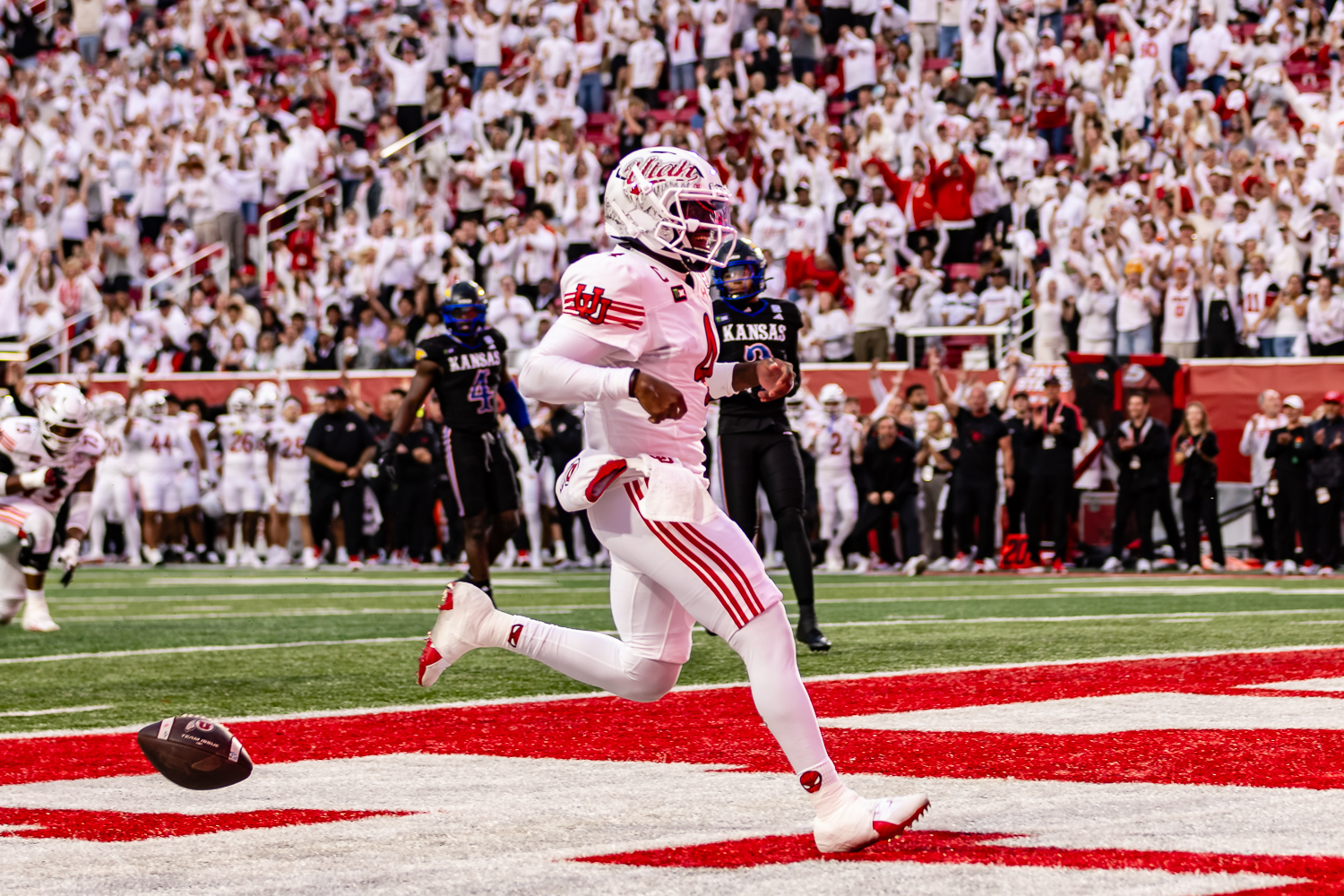
The challenge is utilizing the quarterback run game without making Dampier the answer to every difficult situation. Still, the responsibility is not unfamiliar. Dampier scored 19 rushing touchdowns for New Mexico in 2024.
Who can step up?
Utah has its foundational four. The remaining question is which complementary players can punish defenses for devoting additional bodies to stopping them.
Steve Chavez-Soto provides another proven rushing option after scoring seven touchdowns in eight games at San Jose State. At 205 pounds, he gives Utah a potential answer when the offense needs two difficult yards. Mateaki Helu and Hunter Andrews could provide additional muscle in specialized goal-line packages.
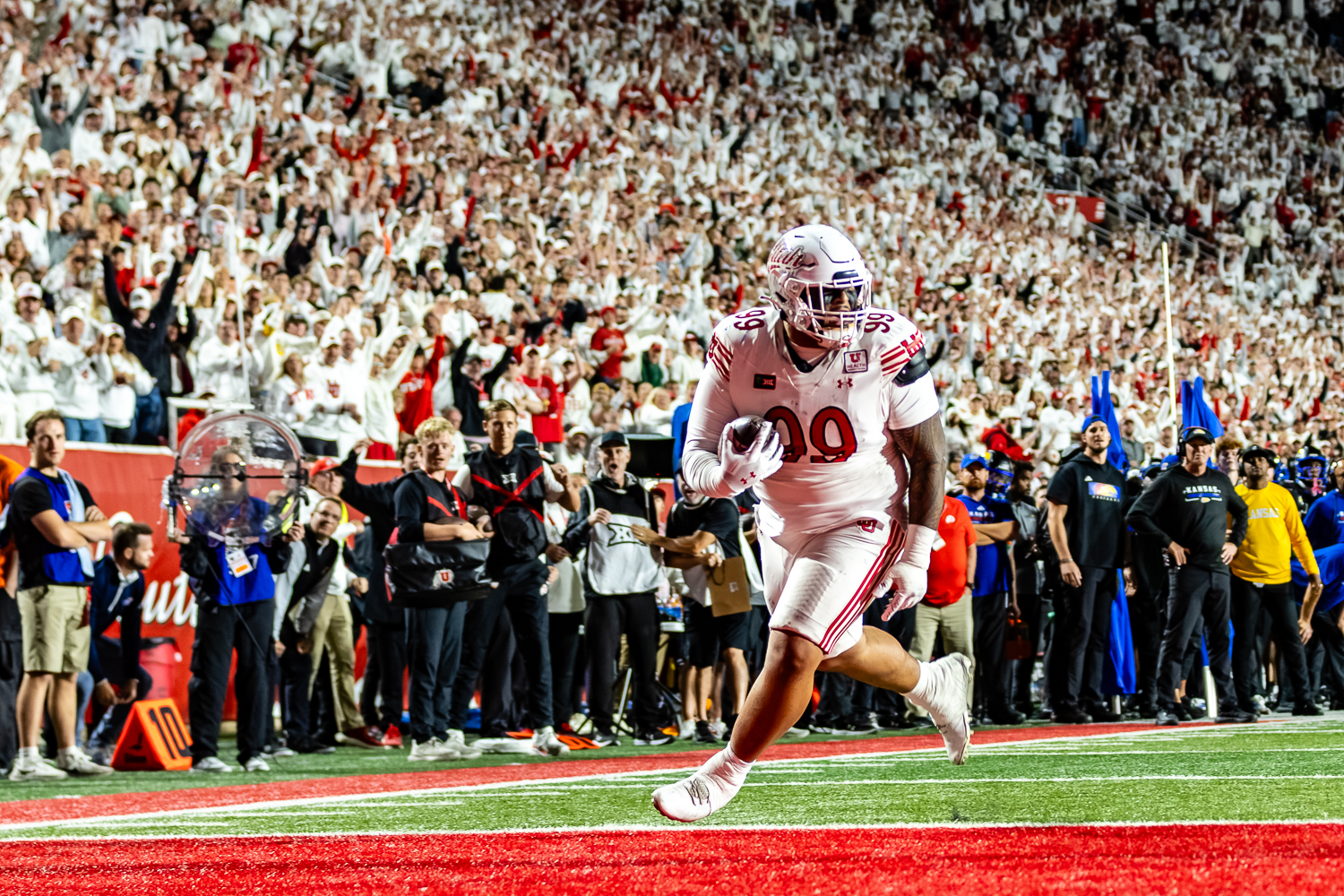
Then there is Semi Taulanga. At 5-foot-11 and 317 pounds, Utah’s Rhino tight end can introduce an entirely different version of short-yardage math.
The passing game must also establish a red-zone hierarchy. Braden Pegan brings a 6-foot-3, 210-pound frame and caught five touchdowns in Kevin McGiven’s Utah State offense. Larry Simmons turned 15 receptions into six scores last season, demonstrating an ability to maximize limited opportunities.
Utah does not need one player to replace every touchdown that departed. It needs enough answers that defenses cannot commit entirely to Parker or the quarterbacks. Pegan’s size, Simmons’ finishing ability, Andrews’ versatility, Chavez-Soto’s physicality and Utah’s heavier personnel must provide those counters.
The Bottom Line
Utah does not need to repeat an extraordinary 79.7% touchdown rate to remain one of the Big 12’s better offenses. Finishing in the mid-60s would keep the Utes above national and conference norms, while even a rate around 62% would remain manageable if Utah continues generating opportunities and converting stalled drives into field goals.
The returning rushing production gives Utah a credible foundation. The rebuilt offensive line and the emergence of dependable receiving and short-yardage complements will determine the ceiling.
Field goals can protect Utah when a drive stalls. But they cannot become the offense’s red-zone identity.