Utah basketball picks up NBA Summer League guard Trey Campbell
Aug 11, 2026, 7:43 AM | Updated: 11:26 am
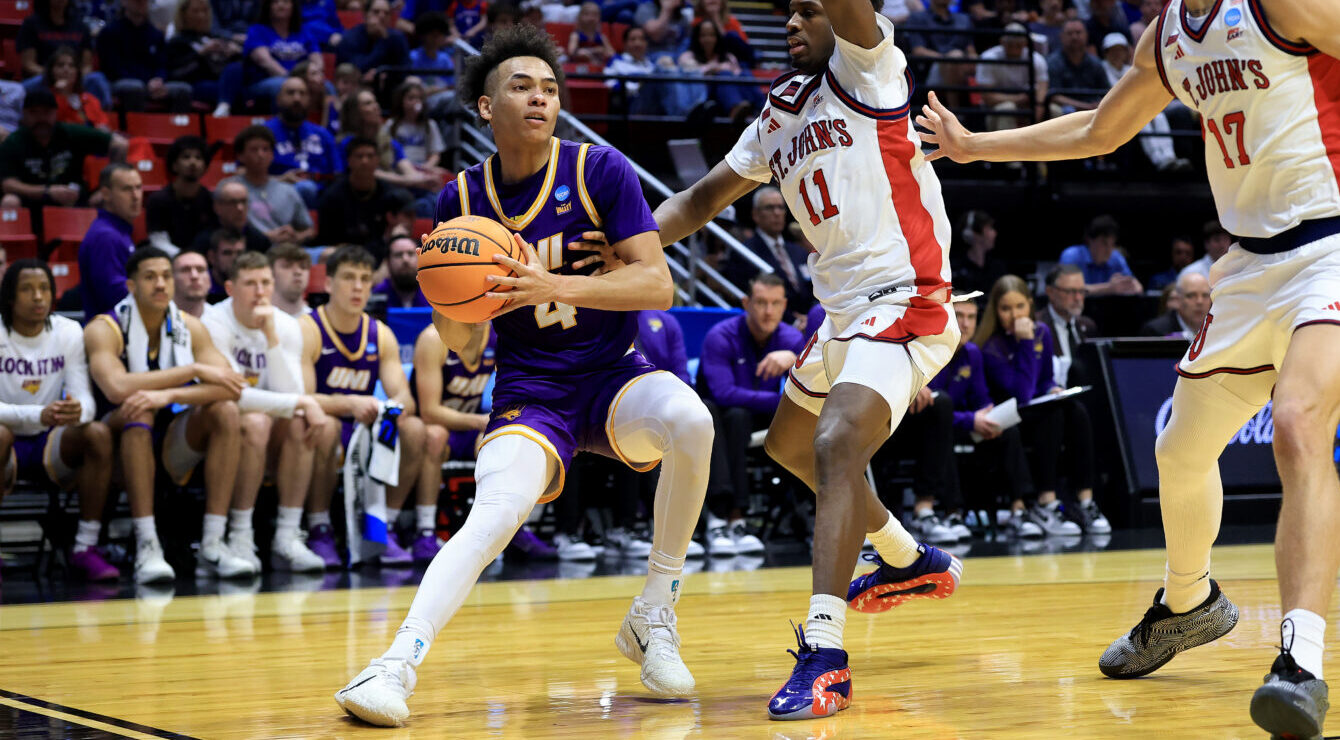
SAN DIEGO, CALIFORNIA - MARCH 20: Ian Jackson #11 of the St. John's Red Storm defends Trey Campbell #4 of the Northern Iowa Panthers during the second half of the game in the first round of the 2026 NCAA Men's Basketball Tournament at Viejas Arena at San Diego State University on March 20, 2026 in San Diego, California. (Photo by Sean M. Haffey/Getty Images)
(Photo by Sean M. Haffey/Getty Images)

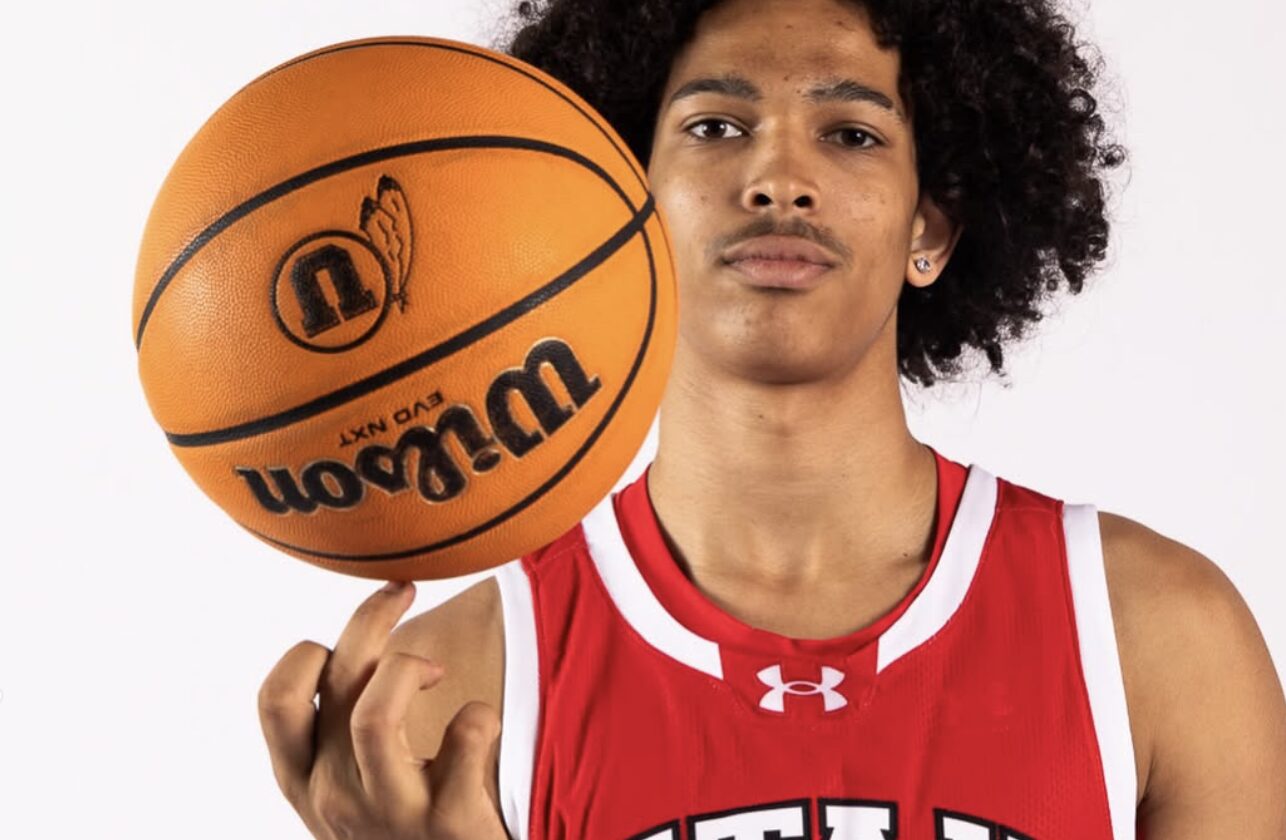
SALT LAKE CITY — Utah basketball needed another experienced guard capable of creating offense, spacing the floor and surviving defensively in the Big 12. And Northern Iowa transfer Trey Campbell has committed to Utah for the 2026-27 season.
Alex Jensen and his staff found one with nearly an entire college career—and a brief NBA stop—already on his résumé. The 6-foot-4 guard is expected to have one season of eligibility remaining after starting 132 games during four years with the Panthers.
Campbell has played 134 consecutive college games, produced more than 1,400 career points and helped lead Northern Iowa to the NCAA Tournament last season. In the modern transfer portal, that qualifies as something close to a fixed-rate mortgage: experienced, dependable and refreshingly low on surprises.
Trey Campbell brings production and postseason experience
Campbell completed his senior season averaging 13.7 points, 3.8 assists, 3.8 rebounds and 1.7 steals across 36 starts. He shot 43.8% from the field, 34.5% from beyond the arc and earned second-team All-Missouri Valley Conference and MVC All-Defensive Team recognition.
His best basketball arrived when Northern Iowa needed it most.
Campbell helped the sixth-seeded Panthers win four games in four days to capture the Missouri Valley Tournament championship and the conference’s automatic NCAA Tournament berth. He scored 23 points and made six 3-pointers in an 84-69 championship-game victory over UIC, earning the tournament’s Most Outstanding Player award.
Northern Iowa’s season ended with a 79-53 loss to No. 9 St. John’s in the opening round of the NCAA Tournament, but Campbell still led the Panthers with 14 points against one of the country’s most physical defenses.
Campbell finished his UNI career ranked 11th in program history with 1,403 points, third with 174 steals and fourth with 220 made 3-pointers. He became the first player in program history to accumulate at least 1,000 points, 500 rebounds and 300 assists.
The shooting profile also comes with enough evidence to suggest last season’s 34.5% mark was more dip than identity. Campbell made 42.9% of his 3-point attempts as a junior and shot 37.7% from deep across his four seasons.
Campbell spent the summer league with the Minnesota Timberwolves
Campbell initially appeared headed toward professional basketball after completing his fourth season at Northern Iowa.
The Minnesota Timberwolves signed Campbell to an NBA Summer League contract in July, adding him to their roster for the league’s annual showcase in Las Vegas. The Timberwolves listed Campbell as a 6-foot-4, 190-pound rookie guard after he went unselected in the 2026 NBA Draft.
Campbell did not appear in Minnesota’s Summer League games, but the opportunity placed him inside an NBA organization and allowed him to practice and compete alongside draft picks, G League players and other professional prospects.
His decision to return to college creates an unusual path to Utah. The Utes are adding a fifth-year player who was part of an NBA Summer League roster only weeks before his commitment.
That experience does not guarantee Campbell will immediately become one of the Big 12’s best guards. It does, however, offer another indication of the maturity and professional habits Utah is attempting to add around a relatively young roster.
View this post on Instagram
How Campbell fits Utah basketball’s backcourt
Campbell gives Utah a guard who can operate with or without the ball. He led Northern Iowa with 136 assists last season, but he does not need to dominate every possession to remain effective. He can initiate offense, attack a rotating defense or work away from the ball as a movement shooter.
That versatility should allow Jensen to use him alongside any backcourt option on the roster without forcing every lineup into a traditional point guard-shooting guard structure.
More importantly, Campbell reduces how much Utah must immediately demand from its younger guards. Campbell has already spent four years diagnosing coverages, managing late-game possessions and defending experienced guards.
His defensive production should also appeal to Jensen. Campbell recorded 60 steals last season, the fifth-highest single-season total in Northern Iowa history, and finished with more steals than turnovers. His size, anticipation and willingness to defend helped him earn all-defensive honors in the Missouri Valley.
The jump from the Missouri Valley to the Big 12 remains the obvious question. Campbell will encounter more length, athleticism and defensive pressure on a nightly basis. Utah is not acquiring an automatic All-Big 12 guard simply because he dominated stretches of Arch Madness or earned a Summer League opportunity.
The Bottom Line
Utah is adding a player with a defined floor. Campbell has been durable, productive and efficient across a substantial sample. He can play on or off the ball, has defended at an all-conference level and has delivered in postseason games. That résumé should give him an immediate opportunity to earn a prominent role in Jensen’s rotation.
Utah’s roster already possessed intriguing size and long-term upside. Campbell adds something every rebuilding team eventually needs: a grown-up guard who has already seen most of the questions a college basketball season can ask.
Now comes the more interesting part of camp: finding out which improvements are simply encouraging August developments and which ones Utah can actually take with it into Saturdays.