Unloading the notebook: Utah’s roster depth keeps revealing itself
Aug 18, 2026, 5:42 PM | Updated: Aug 19, 2026, 10:44 am
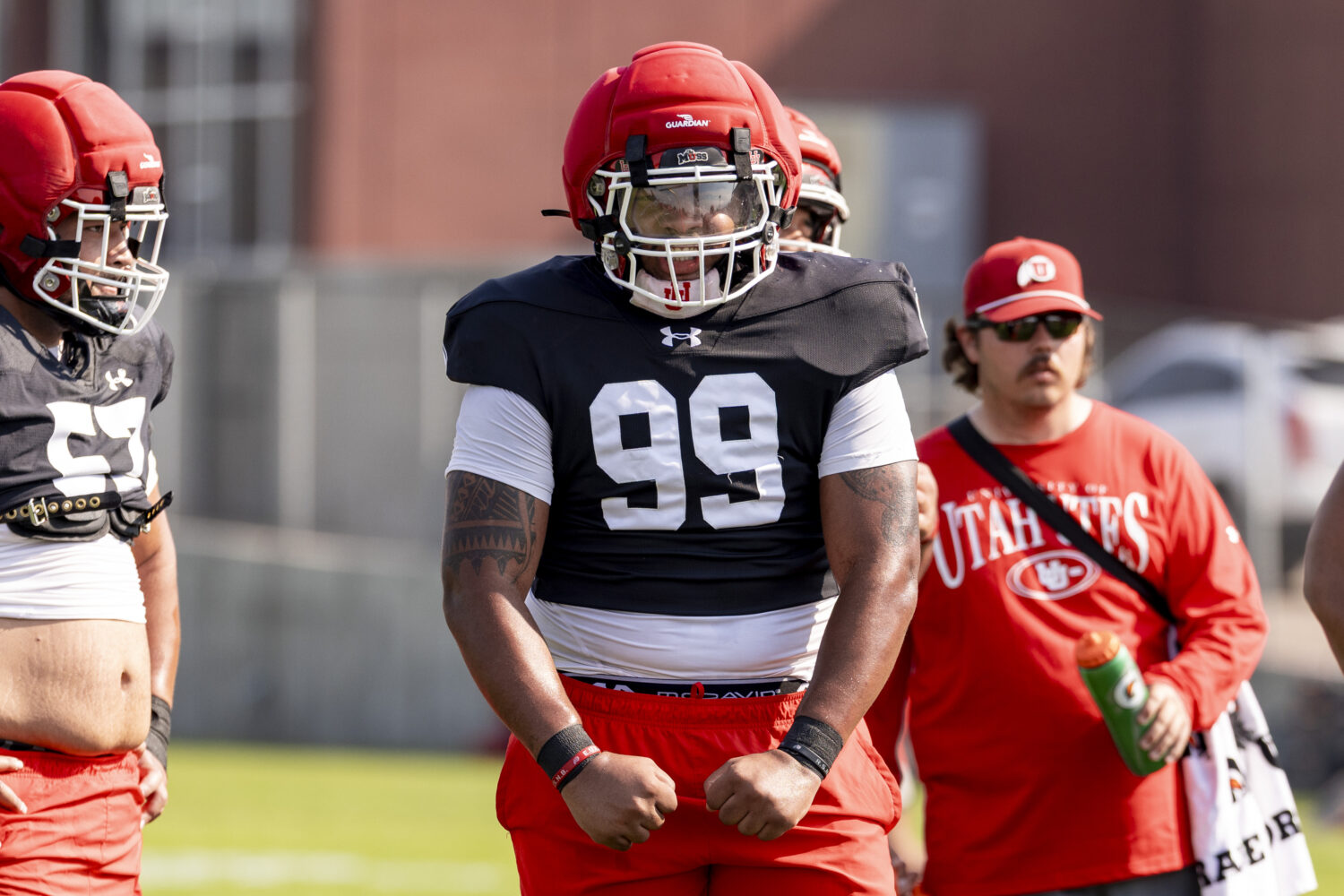
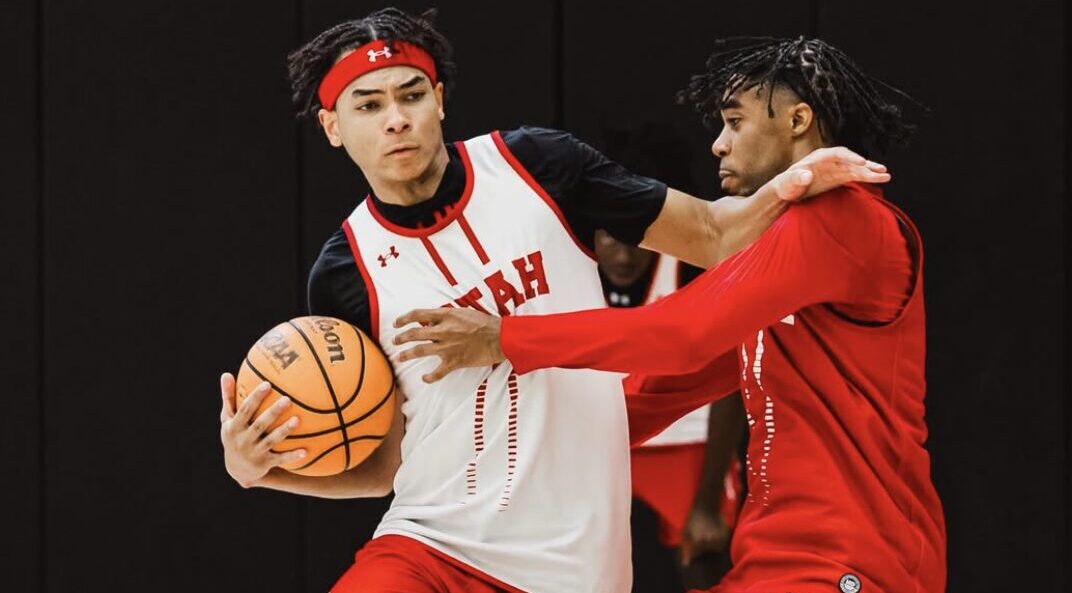
Utah's Jamal Wallace at practice. Photo courtesy by Utah Athletics.

SALT LAKE CITY — Twenty minutes of practice is not enough to solve a depth chart, decode a scheme or declare who will become Utah’s next breakout star, but the notebook has some updates.
Tuesday’s media viewing session featured plenty of the same position work that has filled Utah’s fall camp viewing periods, but stepping away from the offensive and defensive lines provided a better look at some of the depth developing elsewhere on the roster.
The quarterback room looks increasingly stable. The running backs might be one of Utah’s deepest position groups. Trey Reynolds continues to quietly strengthen the linebacker room. And the secondary offers enough experience and versatility that Utah could have several different ways of putting its best defensive backs on the field.
Then, inevitably, the eyes wandered back toward the big guys.
Here are a few notes and observations from Tuesday.
View this post on Instagram
Utah’s quarterback room looks different when viewed as a whole
The easiest thing to notice while watching Utah’s six quarterbacks throw Tuesday was not necessarily who made the best throw. It was the difference experience makes.
Devon Dampier and Brandon Rose look like quarterbacks who have spent multiple years inside college programs, with the consistency of their mechanics reflecting those repetitions. Byrd Ficklin remains right there with them in terms of velocity, accuracy and overall consistency throwing the football.
Then there are true freshmen Michael Johnson Jr. and Kane Archer.
The talent is apparent with both, but so is the developmental gap between a freshman quarterback and one who has spent several years refining footwork, release mechanics and consistency.
That is not particularly surprising. What is more significant is what Utah has assembled around them.
Rose’s summer addition could eventually prove to be one of the more quietly valuable roster moves Utah made. Dampier is the established starter and Ficklin remains an important young piece, but adding another experienced quarterback gives Utah a level of insurance that is difficult to manufacture once the season begins.
Meanwhile, Johnson and Archer can develop without being forced into something before they are ready.
The running back question may be about touches, not depth
At some point, Utah might have to answer a fairly enjoyable offensive question: How many running backs can realistically be involved?
Wayshawn Parker remains the obvious centerpiece, but Utah’s viewing periods have continued to reinforce the depth behind him.
Steve Chavez-Soto has flashed throughout camp. Daniel Bray offers another dynamic option. LaMarcus Bell looks increasingly intriguing for a true freshman, and the benefit of enrolling early is apparent in his physical development.
Bell does not look like a freshman who simply arrived with impressive athletic traits. He looks physically capable of competing for snaps now. That does not necessarily mean those snaps will be easy to find.
Utah also has Mateaki Helu in the room and can incorporate players such as Hunter Andrews into different roles. Taken together, Utah appears to have at least five players it could comfortably hand the football to if circumstances demanded it.
The issue is no longer whether Utah has enough running backs behind Parker. The more interesting question is how Kevin McGiven distributes carries, receiving opportunities and specialty touches while still keeping his best offensive players involved.
Trey Reynolds keeps strengthening the linebacker picture
Most of the attention at linebacker has understandably centered around Jonathan Hall and Cyrus Polu. But Trey Reynolds should probably be entering that conversation more frequently.
Reynolds has put together a steady fall camp and looks increasingly comfortable as an experienced, physical presence in the middle of Utah’s defense. If that progression carries into the season, it changes the floor of the entire room.
Utah also has Tayson Reed, the junior college addition from Snow College, and Elijah Ellis providing more athleticism and depth behind them.
None of that can be fully evaluated from position drills and limited viewing windows, but the physical profile of the room is becoming clearer. Utah appears to have options.
Secondary depth may give Utah flexibility
The defensive backfield might provide an even better example. There does not appear to be only one obvious combination Utah can use. The safety room in particular has enough interchangeable pieces that the Utes should be able to mix personnel depending on matchup and situation.
That meshes with how Elijah Reed described the secondary Tuesday.
Reed said the competitiveness stretches throughout the defense and emphasized the positional versatility Utah possesses in the defensive backfield, with players capable of moving between corner, nickel and safety responsibilities.
That versatility matters because Utah’s defense has traditionally demanded plenty from its defensive backs.
Reed described playing corner in Utah’s system as requiring “competitiveness and elite focus every day,” and his own identity within the group is built heavily around physicality.
His explanation for that physical style was considerably simpler. He wants to beat the player across from him.
That mentality is one reason Reed believes the competition throughout the secondary has been so noticeable this fall.
Nate Ritchie is back — and Utah gets more than just another safety
One of the more encouraging developments in the secondary has been the return of Nate Ritchie.
After missing most of last season, Ritchie said simply being healthy and back alongside his teammates has been meaningful. His time away also forced him to learn how to contribute differently, becoming a source of encouragement and helping teammates with game plans and technique while unable to play himself.
Now Utah gets that experience back onto the field.
Ritchie has been in the program long enough to recognize formations, understand what offenses are trying to accomplish and help younger players process those things faster. He also sees himself as someone responsible for continuing the defensive culture that existed before Morgan Scalley became head coach.
The major difference now? That culture is no longer being discussed as something belonging solely to the defense.
“It’s just RSNB,” Ritchie said of the program under Scalley, explaining that the defense has operated with that mentality for years but now “everyone emphasizes it.”
Ritchie also did not hesitate when asked whether the secondary could become one of Utah’s strengths.
“Definitely,” he said, pointing to the combination of depth and experience within the group.
Tuesday’s viewing session did little to argue otherwise.
The race to the quarterback is apparently very literal
Utah lost significant pass-rush production from last season, but Lance Holtzclaw does not sound particularly interested in allowing the program’s reputation for creating pressure to disappear with it.
Utah tracks “havoc plays” — sacks, tackles for loss, pass breakups and interceptions — and Holtzclaw described the defensive mentality as a literal “race to the quarterback.”
And yes, the defensive linemen know exactly where they stand, according to Holtzclaw.
Utah is keeping production charts during fall camp, including sack totals, which Holtzclaw joked has created some sideways glances between players when somebody starts climbing the leaderboard.
“I’m coming for you,” essentially.
The competition has not become combative, Holtzclaw said, but it has become another mechanism for pushing the room.
For Holtzclaw personally, the next step is becoming a more complete pass rusher.
He does not want to rely on one move. He has worked on power, finesse and transitioning between moves in an effort to develop what he called a “super, super deep” pass-rush bag.
Just as importantly, he views his role differently now.
After playing behind experienced pass rushers in previous seasons, Holtzclaw talked about learning from Logan Fano and John Henry Daley and understanding that he now has to approach the season expecting to be one of the players leading the group from the beginning.
A freshman defensive lineman worth filing away
And because apparently it is impossible to spend an entire practice viewing session away from the trenches, one final defensive line note: Remember Matali’i Benjamin.
Its premature to expect substantial contributions from the true freshman this season, but the physical ingredients are impossible to overlook.
Benjamin already possesses significant size at a listed 6-foot-7 and 340 pounds. But it’s the flexibility, bend and general athleticism that stood out today.
The projection is more interesting than the immediate role. Give him a full year inside Utah’s strength and conditioning program, allow him to continue developing technically and physically, and Benjamin looks like someone who could enter next offseason with a legitimate opportunity to compete for significant snaps.
Those are exactly the types of players worth identifying during these limited practice windows. Not because 20 minutes of drills proves they are ready. Because sometimes it shows you who might eventually be.
The Bottom Line
The deeper Utah gets into fall camp, the more the conversation is beginning to extend beyond its established stars.
Dampier and Parker will understandably dominate offensive discussion. Utah’s proven defensive starters will receive similar attention on the other side.
But Tuesday provided another reminder that the quality of this roster will ultimately be determined by what exists underneath those names.
Rose provides quarterback insurance. Reynolds appears capable of giving Utah another dependable linebacker. Ritchie’s return adds experience to an already versatile secondary. Holtzclaw is embracing a larger role as Utah searches for its next wave of pass rushers.
And players such as Bell and Benjamin are beginning to hint at what comes next.
Limited practice viewing do not provide a ton of answers. But by this point in fall camp, it is beginning to provide a pretty interesting list of possibilities.