Utah football enjoys bye week unbeaten, with plenty still to prove
Sep 30, 2026, 3:33 PM | Updated: 3:38 pm

Utah football enters its bye week with a perfect record and an imperfect product. The Utes have shown enough to make their Big 12 championship ambitions credible, but four wins have also revealed the details that could decide whether they get there.
The schedule deserves some perspective. It has offered more resistance than the dismissive “soft schedule” narrative suggests, but it hasn’t provided the kind of test that can fully establish Utah’s ceiling. Tougher challenges await, and continued improvement will be essential to carrying this early-season momentum forward.
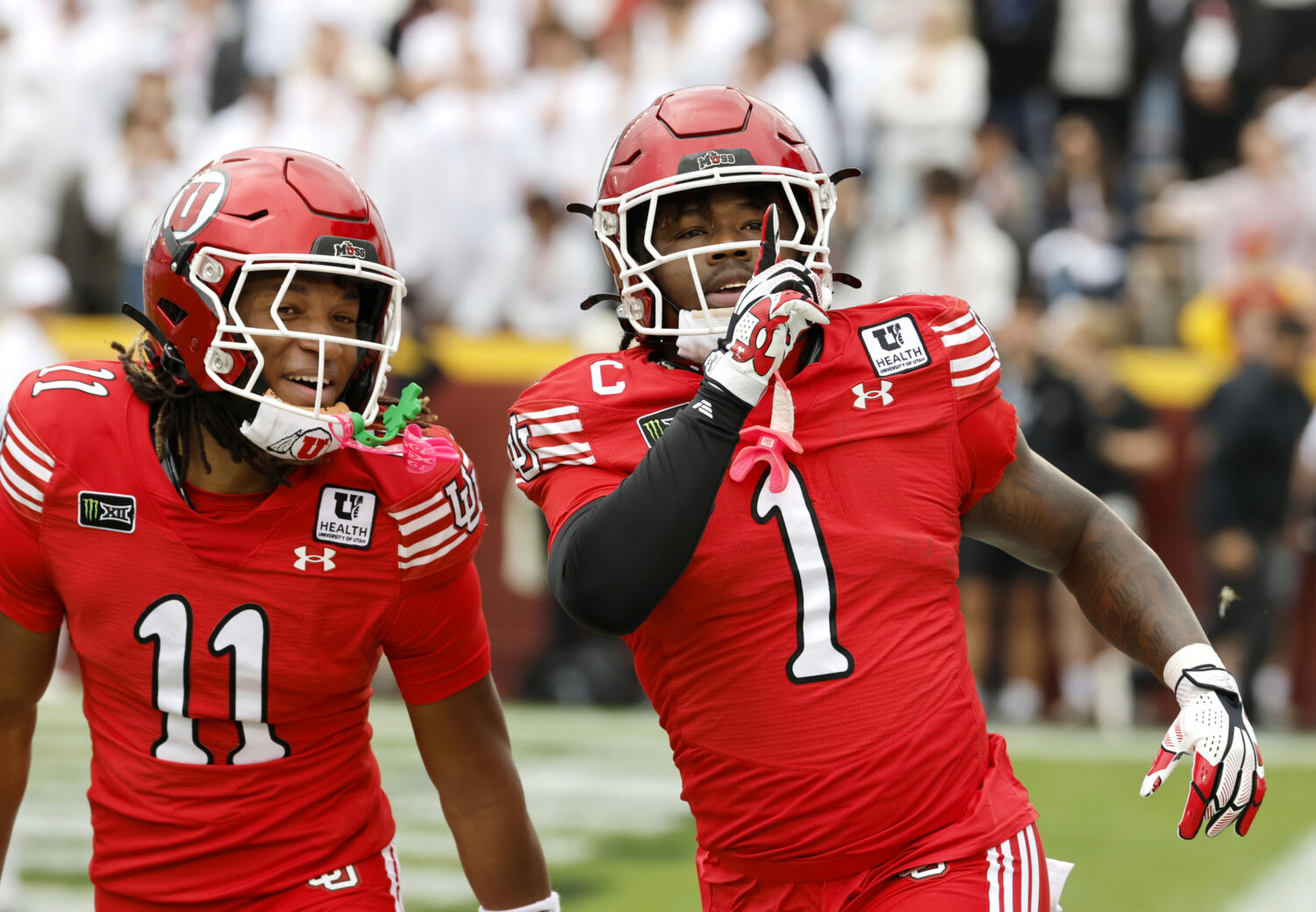
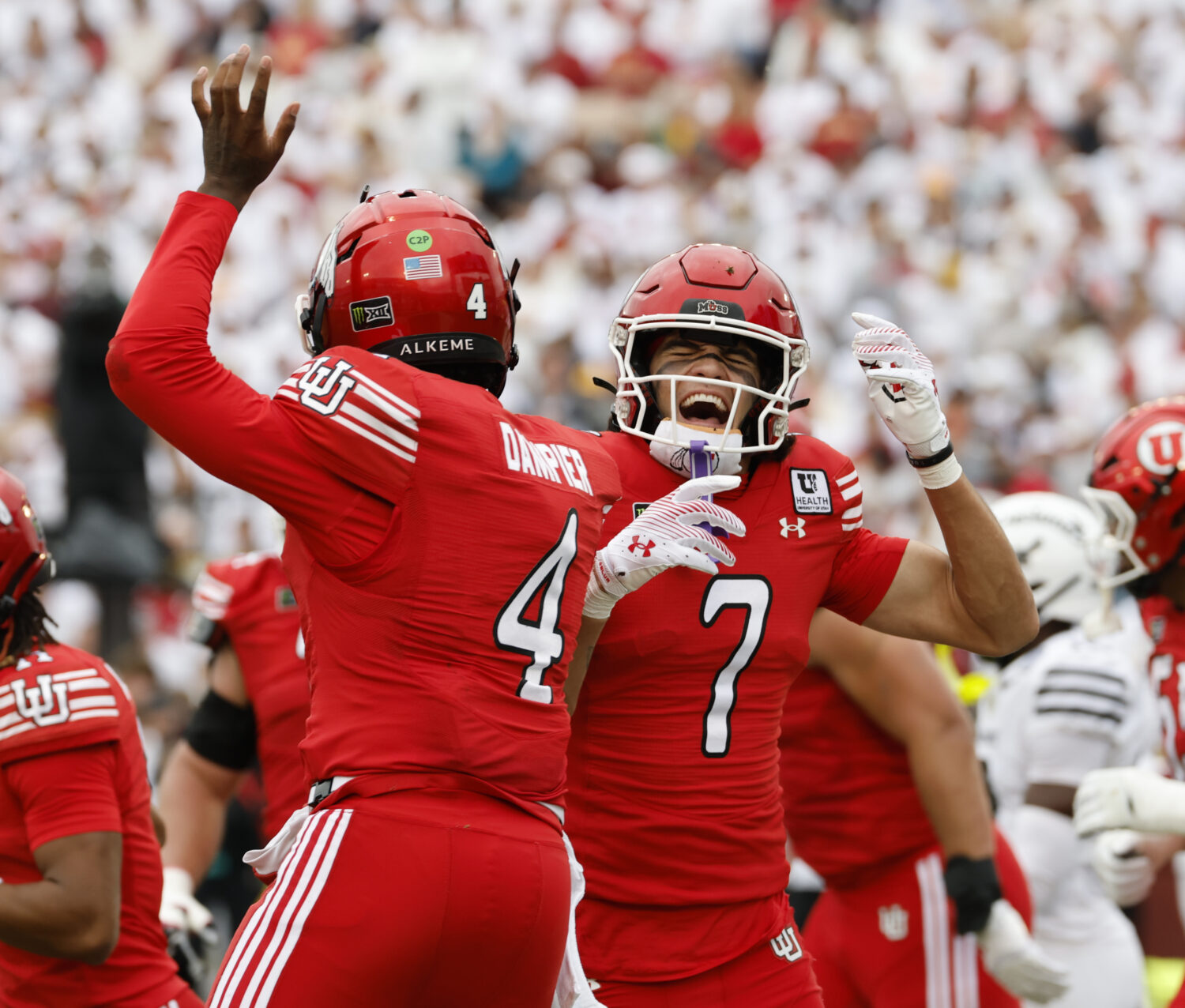
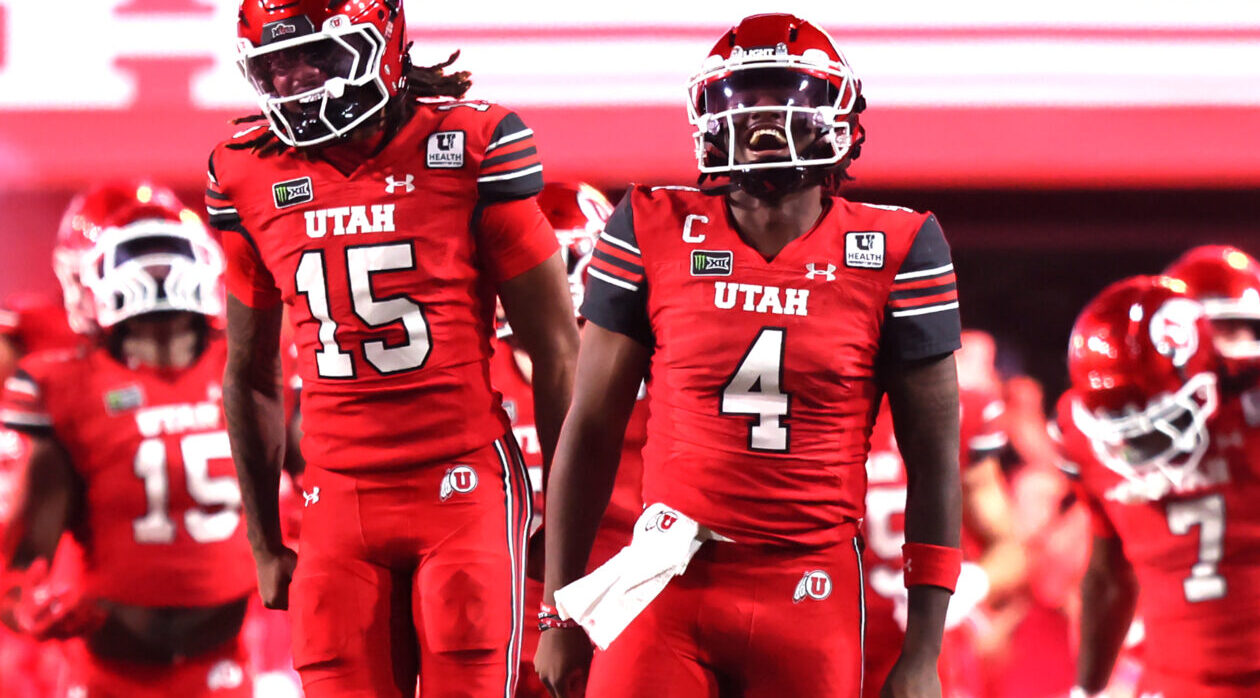
Kevin McGiven’s offense has benefited from Devon Dampier’s growth and a productive group of pass catchers. The offensive line has been the most pleasant surprise, helping Wayshawn Parker emerge as one of the country’s top backs.
Colton Swan’s defense has maintained Utah’s aggressive approach, trusting its coverage and making opponents work to sustain drives. Together, those units have given the Utes a promising foundation heading deeper into conference play.
Utah’s Offensive Ranks
| Metric | Utah | Big 12 rank | Top 25 rank |
|---|---|---|---|
| EPA per play | +0.318 | 3rd | 6th |
| Success rate | 57.6% | 3rd | 7th |
| Yards per play | 7.67 | 2nd | 9th |
| Points per drive | 3.53 | 3rd | 10th |
| Passing EPA per play | +0.389 | 2nd | 12th |
| Passing success rate | 55.8% | 5th | 15th |
| Rushing EPA per play | +0.258 | 4th | 8th |
| Rushing success rate | 59.0% | 4th | 8th |
| Rushing yards after contact per attempt | 4.49 | 3rd | 4th |
| Receiving yards after catch per reception | 6.59 | 4th | 8th |
| Stuffed-run rate | 13.2% | 14th | 21st |
Offensively, this is a physical spread attack built around the quarterback. Dampier makes the offense resourceful and resilient, extending possessions when protection breaks down or the initial read disappears.
The passing game is vertically ambitious. Almost 24% of Utah’s throws are classified as deep throws, forcing defenses to protect downfield while creating opportunities underneath. Better communication between the quarterback and receivers, sharper route timing and fewer avoidable drops would help Utah capitalize more consistently.
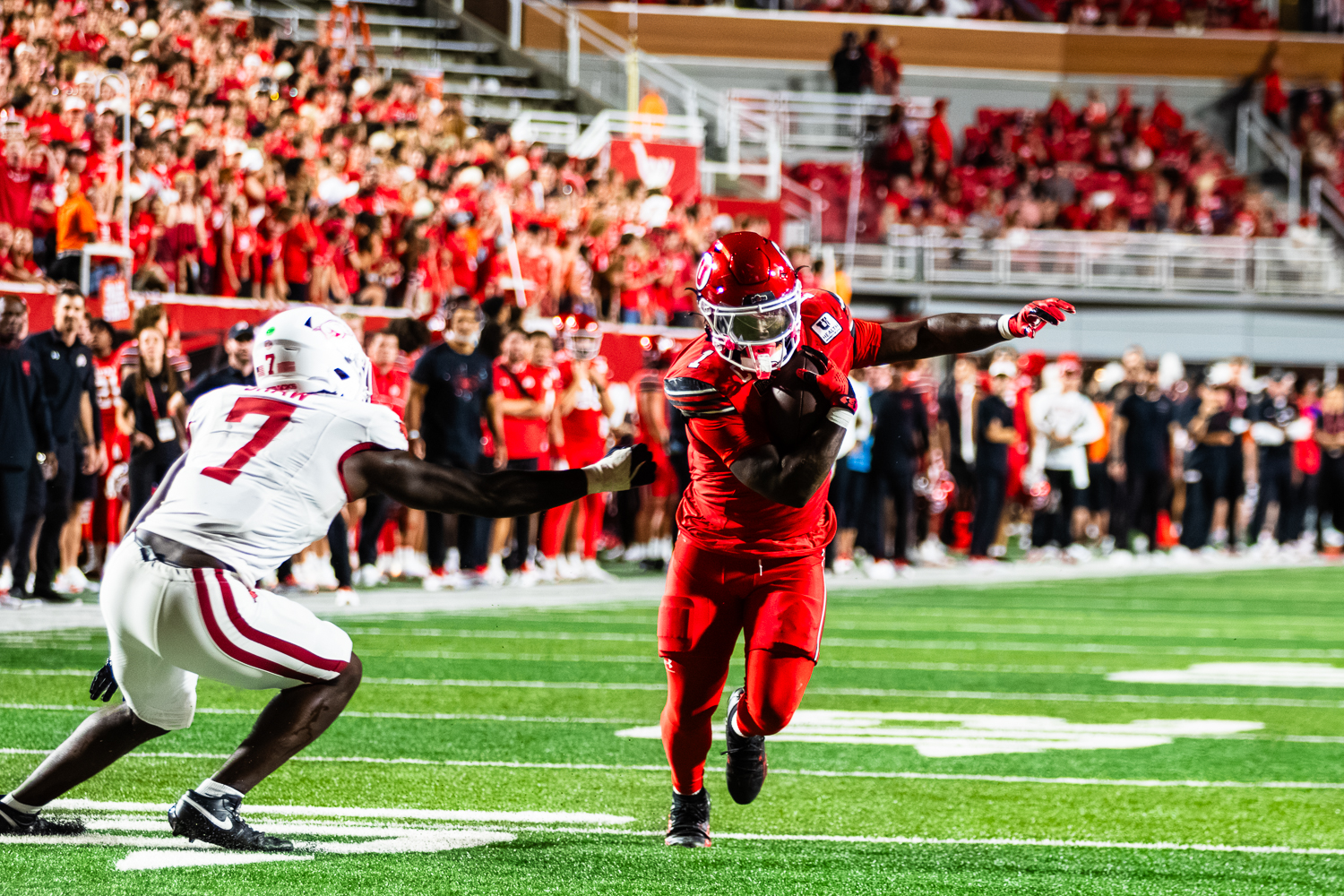
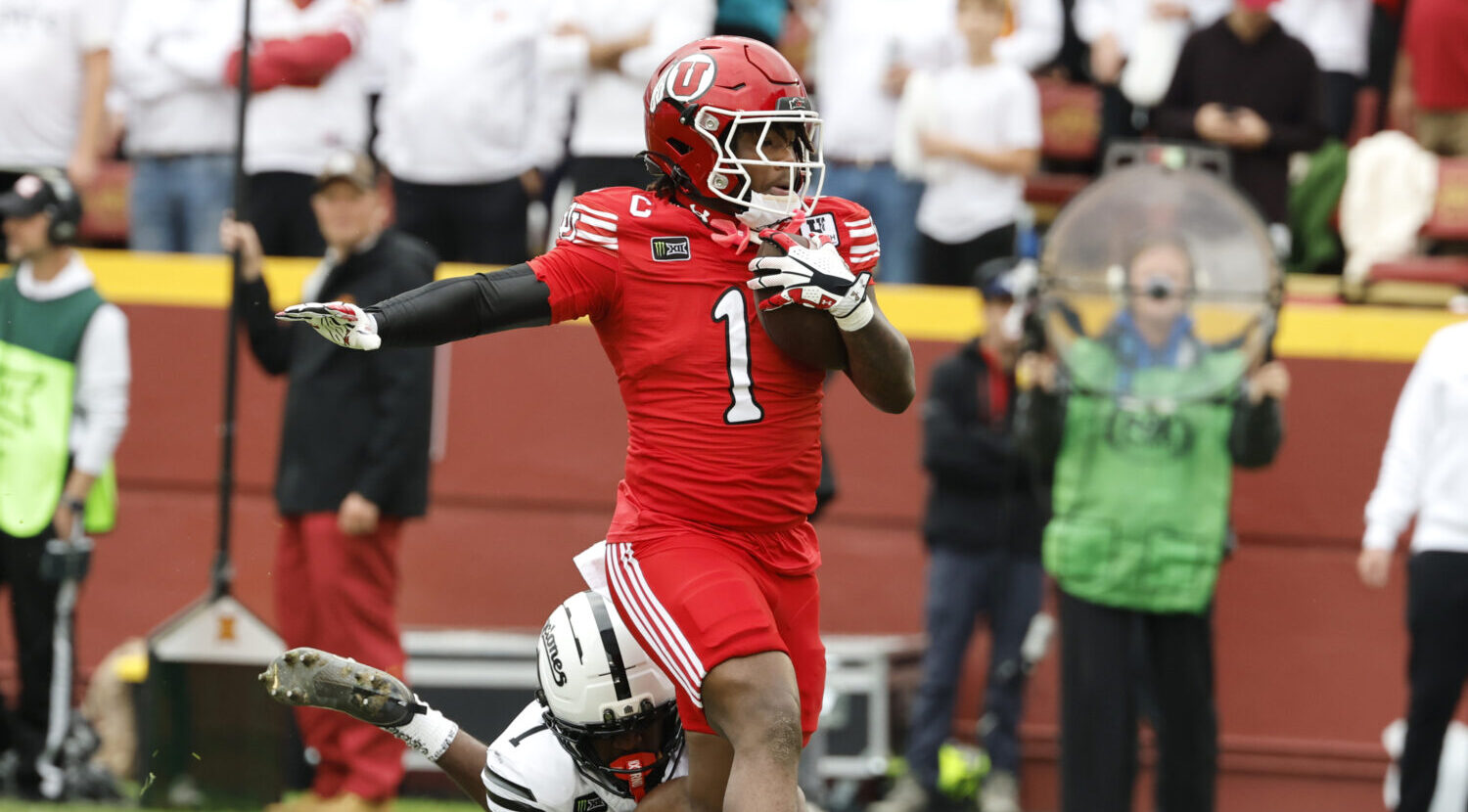
Quarterbacks also account for nearly 40% of Utah’s rushing attempts, the highest share in the conference. Defenses have to account for the edges and the quarterback before fully committing to the running back. Parker has been dynamic within that structure, exploiting openings and turning contact into extra yardage.
The offensive line’s pass protection has been particularly encouraging. According to PFF, the group’s pass-blocking efficiency rating ranks third in the Big 12 and is tied for 19th nationally.
The run blocking has been better than expected, although the overall production comes with a caveat. The line is generating good movement up front but has struggled to execute in power situations — third and fourth downs with two yards or fewer to gain. Sustaining blocks and working cohesively against defensive movement would make those situations more manageable.
Related Utes Football Content
- Wayshawn Parker named Big 12 Offensive Player of the Week
- Big 12 football power rankings: Oklahoma State surging as BYU, Utes pace the league
- Utah football’s ‘whiteout’ game against Kansas gets a kickoff time
- Wayshawn Parker powers Utes past Iowa State, but second-half slowdown complicates the takeaway
- Wayshawn Parker has 3 TDs as No. 15 Utes pulls away to defeat Iowa State
- Zereoue Williams emerging as Utah’s next NFL OL prospect
- The mad scientist: How Kevin McGiven’s unique schemes have improved Utah football
Utah’s Defensive Ranks
| Metric | Utah allows | Big 12 rank | Top 25 rank |
|---|---|---|---|
| EPA per play | −0.234 | 2nd | 8th |
| Success rate | 34.7% | 1st | 1st |
| Yards per play | 4.35 | 1st | 8th |
| Points per drive | 0.89 | 1st | 3rd |
| Passing EPA per play | −0.219 | 5th | 13th |
| Passing success rate | 33.5% | 3rd | 4th |
| Completion percentage | 46.6% | 1st | 1st |
| Rushing EPA per play | −0.256 | 3rd | 5th |
| Rushing yards before contact per attempt | 0.30 | 3rd | 4th |
| Rushing yards after contact per attempt | 3.08 | 7th | 15th |
| Quarterback scramble success rate | 40.0% | 9th | 19th |
Defensively, this is an aggressive group that puts considerable trust in its coverage. Utah plays man coverage on nearly 65% of qualifying snaps and blitzes on approximately 41%. Swan is comfortable challenging receivers and asking his defenders to win individual matchups, even difficult ones.
The secondary has largely rewarded that confidence. Opponents are completing fewer than half their passes, and Utah ranks first nationally in defensive-back havoc. There is still room for cleaner execution against slot receivers, particularly in maintaining leverage and staying connected through route breaks.
The pass rush needs more consistent production from the front. The edge rushers have to win more one-on-one opportunities while keeping the quarterback contained. Affecting throws without sending extra rushers would make the coverage’s job easier.
The encouraging part is Utah’s improved control of the line of scrimmage against the run. While individual pass-rush technique can develop throughout the season, the Utes are already taking care of business against the run on early downs.
The next step is finishing possessions. Utah regularly puts offenses behind schedule but has been less consistent at getting off the field once it earns that advantage. Better rush coordination, tackling and containment would help turn more of those situations into stops.
Utah’s Got Plenty to Prove Still
Better opponents will test how dependable Utah’s strengths really are. They will challenge its protection, limit easy yardage and capitalize on mistakes that haven’t been particularly costly through the first four games. The Utes will have to sustain their execution when individual playmaking cannot cover every breakdown.
Iowa State provided a glimpse of that challenge. Utah built a 24-point lead, then had to regain control after its second-half execution slipped. The Utes deserve credit for finishing, but their response after halftime needs to improve. Tighter conference games will offer less cushion for stalled possessions and missed opportunities.
The bye gives Utah time to address those details before the demands increase. Clearer communication and more consistent technique would help an already productive team carry its best stretches of football deeper into games.
The Bottom Line
Utah has earned optimism heading into the heart of Big 12 play. Its offense can create opportunities in several ways, and its defense has made routine execution difficult for opponents.
That combination gives the Utes a credible path to contention. How well they address the shortcomings exposed during a successful September will help determine whether they stay on that path.