Utah knows its QB1, fall camp will further define what comes next for Byrd Ficklin
Jul 30, 2026, 5:02 PM | Updated: 5:03 pm
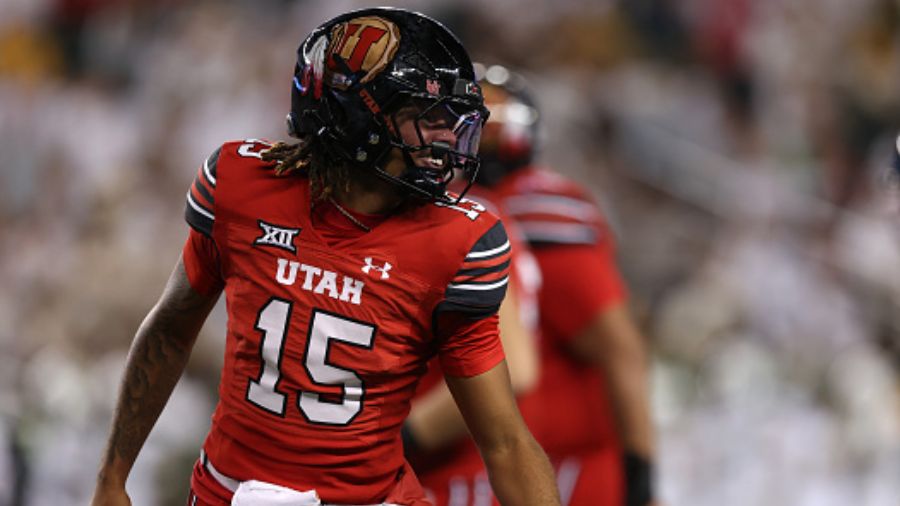
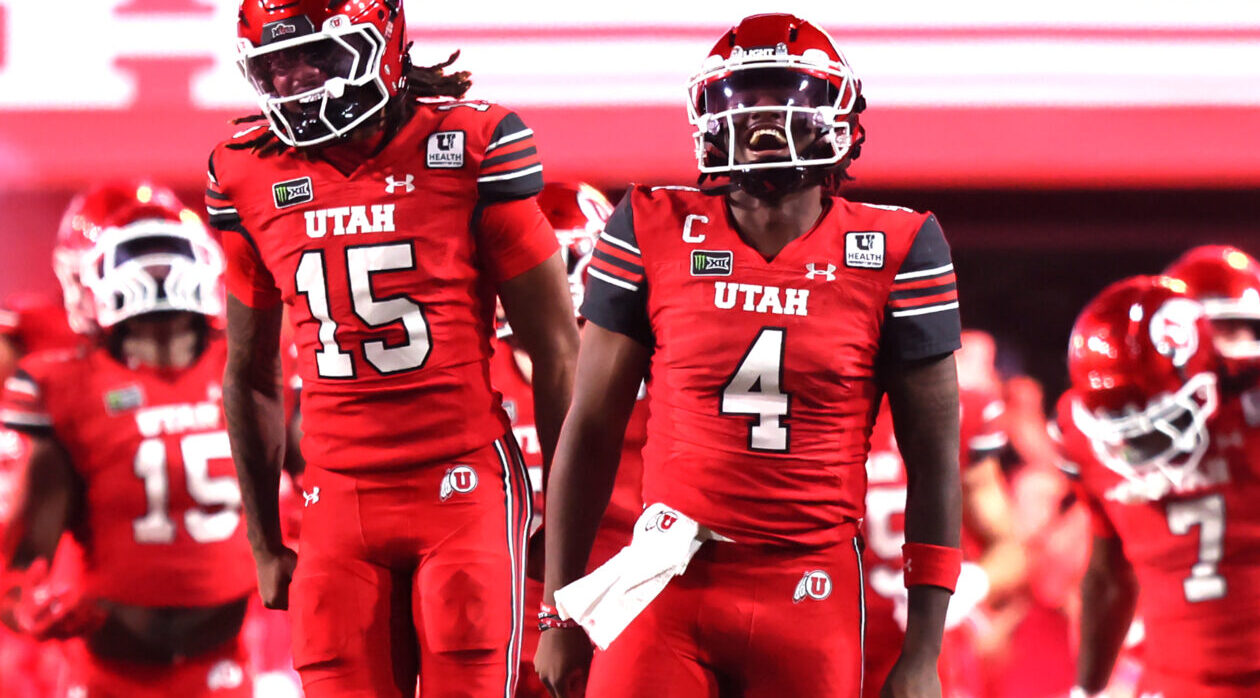
WACO, TEXAS - NOVEMBER 15: Byrd Ficklin #15 of the Utah Utes reacts after scoring a touchdown during the second quarter of the game against the Baylor Bears at McLane Stadium on November 15, 2025 in Waco, Texas. (Photo by Sam Hodde/Getty Images)
(Photo by Sam Hodde/Getty Images)

SALT LAKE CITY — Utah’s Devon Dampier is the established starter, an experienced leader and the centerpiece of Kevin McGiven’s new offense. Byrd Ficklin is one of the most productive backup quarterbacks in the country—and too explosive to spend every meaningful Saturday waiting for Dampier to leave the field.
So, maybe Utah doesn’t have a quarterback competition entering fall camp, but maybe a quarterback allocation problem.
Head coach Morgan Scalley was unafraid to declare his desire to get Ficklin on the field.
“We want to be able to utilize him more and not just the running aspect, because he can throw it, he can zip it,” Scalley shared previously on KSL Sports Zone. “We absolutely love Byrd and his attitude, and I think you all have seen the progress, it’s pretty awesome.”
The question will be how the Utes can use Ficklin without interrupting Dampier’s rhythm or building a package that becomes predictable the moment the sophomore enters the huddle. That makes Ficklin’s role one of Utah’s most intriguing camp-long storylines.
Dampier earned control of the offense by producing 2,490 passing yards, 835 rushing yards and 34 total touchdowns last season. He completed 63.5% of his passes while throwing only five interceptions, despite playing through a sports hernia and ankle injury. Now healthy, Dampier has spent the offseason learning an offense McGiven intends to build around his complete skill set.
Those repetitions matter. Utah is replacing its entire starting offensive line and rebuilding the receiving hierarchy around Braden Pegan, Kyri Shoels and several unproven options. Dampier needs every opportunity to establish timing, protection communication and command before the season begins.
Ficklin needs meaningful work, too. He appeared in 11 games last season and turned 56 carries into 503 yards and 10 touchdowns. He also completed 21 of 35 passes for 301 yards, three touchdowns and no interceptions. In his lone start, Ficklin produced 291 total yards and three touchdowns during Utah’s 53-7 victory over Colorado.
That is not ordinary backup production.
Ficklin’s role must grow beyond the quarterback run
Ficklin’s speed and size make him an obvious option in short-yardage, red-zone and designed-run situations. Giving him some of that work could also reduce the physical burden on Dampier, whose running ability remains essential but should not require him to absorb every available hit.
If Ficklin’s entrance automatically signals a quarterback run, defenses can change their personnel and condense their structure. His effectiveness will eventually decline, regardless of how talented he is with the ball.
“I think Byrd will turn into our all-around kind of player,” Dampier shared on the KSL Sports Zone at Big 12 Media Days. “You’ll see Byrd everywhere—slot, running back, switcheroo quarterback stuff.”
For Ficklin’s usage to become sustainable, he must prove he can execute enough of Utah’s passing offense to keep defenses honest. That means making reads, handling protections, delivering the ball on time and punishing opponents that overcommit to his legs.
Quarterbacks coach Ryan Gunderson spent the spring working with Ficklin on those areas, including coverage recognition, full-field progressions and a quicker release. However, Gunderson is still focused on allowing Ficklin to simply do what he does best.
“We don’t take the playmaker out of the playmaker, and that’s kind of my goal,” Gunderson shared back in spring. “You’ve got to let them play a little bit too.”
The important evaluations will not be limited to his explosive plays. Utah must determine whether Ficklin can operate the base offense with first-team skill players and whether the offense can transition between quarterbacks without losing tempo or clarity.
Final week of summer ☀️ pic.twitter.com/ofHSTtlKOV
— Utah Football (@Utah_Football) July 28, 2026
Development and immediate value can coexist
Ficklin could have entered the transfer portal and pursued a starting job elsewhere. Instead, he returned to continue learning behind Dampier and prepare for the possibility of becoming Utah’s full-time starter in 2027.
That creates two responsibilities for the coaching staff.
The first is immediate: find enough meaningful touches to make Ficklin part of the 2026 plan.
The second is developmental: ensure his role does not become so specialized that it delays his growth as a complete quarterback.
Those objectives do not have to compete. Ficklin can receive first-team passing repetitions while still preparing for a change-of-pace role. Utah can explore two-quarterback formations, backfield movement and temporary alignments away from quarterback without turning him into a position-less novelty. Those possibilities should complement Dampier’s offense, not become a disconnected collection of trick plays.
Utah’s quarterback room was ranked third nationally by CBS Sports analyst Blake Brockermeyer, behind only Oregon and Texas. Dampier and Ficklin combined for 47 touchdowns last season, giving the Utes proven production that few Big 12 opponents can match. But depth-chart strength and offensive utilization are different things.
“You’re going to see some creativity, some innovation on offense and do some things with those guys that really maximizes both of their strengths,” Scalley shared previously on the KSL Sports Zone. “We’re excited because they love Utah. They love our fan base. They love being here.”
The Bottom Line
Dampier should leave fall camp with complete ownership of Utah’s offense. Ficklin should leave it with a role substantial enough to affect games and broad enough to advance his development.
Utah already knows which quarterback will start. August must determine how creatively—and how credibly—the Utes can make defenses account for both.