Mark Harlan explains why Utah’s Otro Capital deal is about more than money
Jun 16, 2026, 12:36 PM

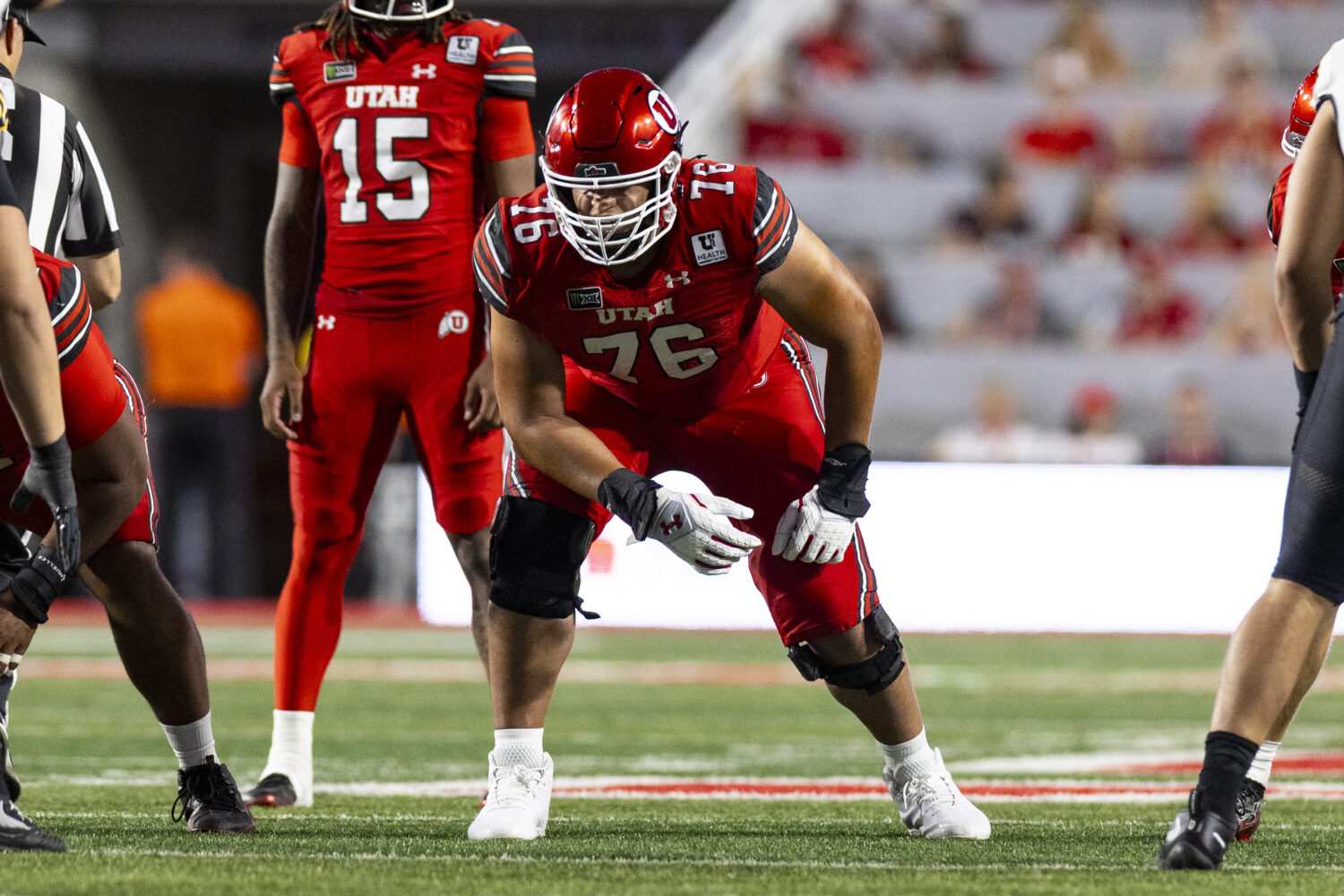
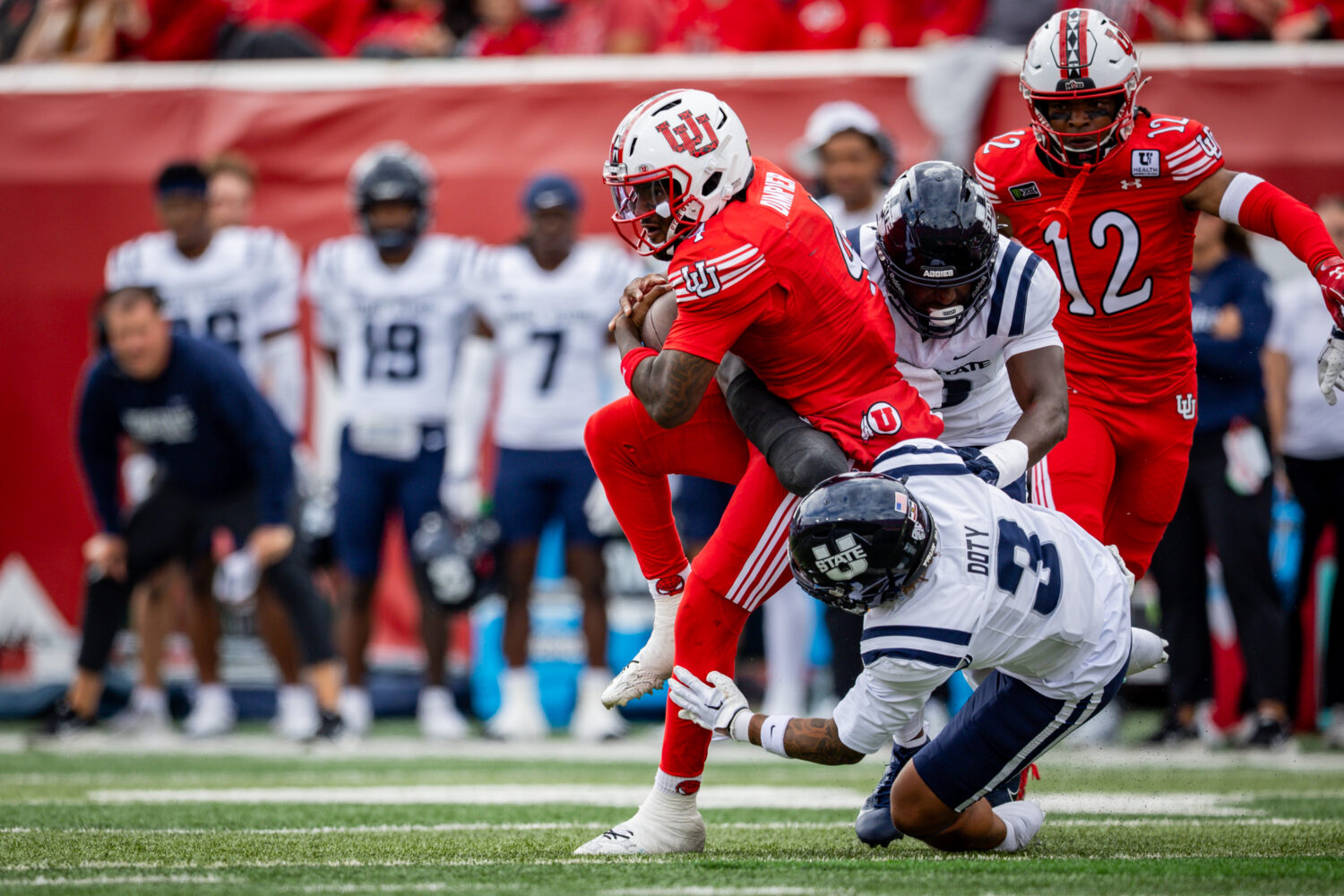
SALT LAKE CITY, UTAH - NOVEMBER 22: Members of the Utah Utes play of the Kansas State Wildcats during the first half of a game at Rice-Eccles Stadium on November 22, 2025 in Salt Lake City, Utah. (Photo by Chris Gardner/Getty Images)
(Photo by Chris Gardner/Getty Images)

SALT LAKE CITY — Mark Harlan knows the words “private equity” can make people uneasy.
The Utah athletic director heard that skepticism directly Tuesday morning during an appearance on DJ & PK on 97.5 The KSL Sports Zone, where he was asked how Otro Capital’s investment will actually help Utah win games and whether the deal is simply about an outside firm making money off the athletic department.
Harlan did not dismiss the concern. Instead, he explained why Utah believes the deal was necessary.
According to Harlan, Utah began studying its options well before revenue sharing became official. The school could see where college athletics was headed: direct athlete compensation, NIL, rising staffing costs, facility needs and a more expensive operating model across the board.
“The one thing we knew was that things are going to get a lot more expensive with payroll coming,” Harlan said.
Even with a sold-out football stadium, record fundraising and strong department momentum, Harlan said Utah still was not reaching the financial level it believed was needed.
“With a sold-out football stadium, record fundraising, a lot of other things that were going on, we just weren’t able to catch that mark that we wanted to hit,” Harlan said.
What Crimson Brand Partners Will Do
“We’re excited about this deal,” Harlan said. “We’ve been working on it for three years.”
Crimson Brand Partners will eventually include roughly 60 to 70 people, according to Harlan. The company will house Utah’s revenue operators, brand enhancers and staff tied to revenue generation outside of philanthropy.
Harlan said the goal is to combine athletics revenue streams with broader university assets, including corporate partnerships, licensing and concessions.
“Yes, there’s upfront capital that’s coming into us,” Harlan said. “But the most important thing that I’m focused on is how we can obviously figure out the different ways to combine the university’s overall corporate program along with licensing, concessions — all the things that really weren’t a part of athletics — now all coming together with our revenue streams and our revenue staff.”
In plain terms, Utah wants to create bigger and better packages for corporate partners by connecting athletics with the rest of the university.
For fans, that could eventually show up through sponsorships, premium experiences, improved gameday presentation and a more polished entertainment product.
“We want to be great in the way we present the show, the entertainment part of it,” Harlan said.
Not Just A Loan
Harlan pushed back on the idea that Utah simply went searching for private equity money.
“We can go out and get loans for a lot cheaper than that,” Harlan said.
That, in many ways, is Utah’s central argument. The deal with Otro Capital was not just about upfront capital. It was about finding a partner with operating experience in modern sports business.
“What we wanted to do was to get better in our business,” Harlan said.
Utah has now launched Crimson Brand Partners, a new company that will house major revenue-generating functions tied to Utah Athletics and the broader university brand. Harlan said Otro Capital stood out because it brought more than money.
“Yes, certainly private equity is a part of it, but they’re also operators, which is a big difference from a lot of different places that have experienced private equity,” Harlan said.
View this post on Instagram
Revenue Sharing And NIL
The most direct competitive impact may come through revenue sharing and NIL. Harlan said Crimson Brand Partners will help fund Utah’s revenue-sharing obligations.
“They’re going to take over the funding of our rev share,” Harlan said. “That’s part of their responsibility. Now the money will come here, and we’ll distribute it the way I see fit, our GMs see fit and our coaches see fit.”
That does not mean Crimson Brand Partners will pick players or build rosters. But it does mean the new company is expected to help support the financial system behind athlete compensation.
“I’ve probably received no less than 30 to 40 phone calls from presidents and ADs asking how we structured this,” Mark Harlan said.
The NIL piece is also part of the plan. Harlan said Crimson Brand Partners will include NIL staff members and that Utah athletes are expected to be involved in corporate partnerships.
“My expectation, and something we’ve talked a lot about, is our student-athletes appear in these deals,” Harlan said. “And they’re authentic. And it allows us to get more branding of our athletes across the city and the valley in general, perhaps the state.”
Harlan said the group’s professional sports background should help Utah in that area.
“These guys are experts in this,” Harlan said. “They’ve worked with a lot of NFL and NBA players and helping them with different deals.”
Utah’s Staffing Changes
The move also brings internal change. Harlan said about 16 current athletic department positions are moving into Crimson Brand Partners because those jobs are tied to revenue generation, branding or commercial operations.
“Those are our revenue producers,” Harlan said. “Those are our brand enhancers. Those are the folks that are involved with some type of revenue generation outside of philanthropy.”
Those employees have the opportunity to interview with the new company, and Harlan said he expects many will continue with Crimson Brand Partners.
Philanthropy will remain inside the athletic department.
Huntsman Center Update
Harlan also discussed the future of the Huntsman Center, calling the arena historic but acknowledging it needs to be addressed.
“The Huntsman Center is historical, it’s incredible, the moments that we’ve been in there, but its time is getting to that place where it just doesn’t work for everyone that comes in there,” Harlan said.
The university issued an RFP about six weeks ago for a design team to do additional feasibility work. The key question remains whether Utah should remodel the arena or rebuild. Populous and VCBO were the two design companies Utah chose to handle the study, both have been involved in previous Utah projects.
“We want this group to come in and really take a hard look,” Harlan said. “Can we remodel, or do we need to rebuild?”
Harlan said Otro Capital is not contractually involved in that project, though its expertise could be useful.
The Bottom Line
Harlan’s message was not that private equity is risk-free. It was that the old model is no longer enough.
Revenue sharing is here. NIL continues to evolve. Football remains the financial engine. Men’s basketball needs investment. Olympic sports need protection. Fans expect better experiences. Corporate partners want more sophisticated opportunities.
Crimson Brand Partners is Utah’s answer to that reality.
The deal does not guarantee wins or eliminate skepticism. But Harlan made Utah’s thinking clear: the Utes are not just looking for money. They are trying to build a better business operation around athletics before the next wave of college sports change makes standing still even more costly.